

Christmas is more than a date on the calendar. It is a season of warmth, lights, music, memories, and hope. Every year on December 25, millions of people around the world pause their busy lives to celebrate love, generosity, faith, and togetherness. Streets glow with lights, homes fill with laughter, and hearts open to kindness.
Yet behind the decorations and celebrations lies a deep story shaped by history, belief, culture, and centuries of tradition. Let’s explore the full journey of Christmas from its ancient roots to its modern global celebration.
|
Celebration Date: |
December 25 (January 7 in some Orthodox churches) |
|
Original Purpose: |
Christian festival marking the birth of Jesus Christ |
|
Observed By: |
Christians and cultural celebration globally |
|
Other Date: |
January 7 (in some Orthodox churches) |
|
Global Reach: |
Globally |
|
Key Symbols: |
Christmas tree, star, Santa Claus, candles, wreath |
|
Core Message: |
Love, peace, generosity, hope, and goodwill |
|
Holiday Status: |
Public Holiday |
Christmas is a Christian festival that celebrates the birth of Jesus Christ, believed by Christians to be the Son of God and the Savior of humanity. Over time, Christmas has also become a cultural celebration, enjoyed by people of many backgrounds, even those who are not religious.
Today, Christmas represents:
Family bonding
Sharing and generosity
Peace and compassion
Joy and gratitude
This blend of faith, tradition, emotion, and culture is what makes Christmas one of the most cherished festivals in the world.
Interestingly, early Christians did not celebrate the birth of Jesus. Their focus was mainly on his teachings, death, and resurrection. The exact date of Jesus’ birth was unknown, and for nearly 300 years, Christmas was not officially observed.
By the 4th century, Christian leaders began establishing formal religious festivals. The Church selected December 25 as the date to commemorate Jesus’ birth. The exact birth date was unknown, but this date helped structure the Christian calendar and spiritual year. This choice may have been influenced by:
Existing Roman winter festivals celebrate light and rebirth
The symbolic idea of Jesus as the “Light of the World.”
This timing helped Christianity grow while also transforming older seasonal traditions into new spiritual meanings.
During the Middle Ages, Christmas became a major religious festival across Europe, celebrated with feasts, plays, and community gatherings. However, in the 1600s, Christmas was even banned in some places, including parts of England and colonial America, due to concerns about excess and disorder.
The warm, family-centered Christmas we know today largely developed in the 19th century, influenced by:
Charles Dickens’ A Christmas Carol
Growing emphasis on childhood, generosity, and home life
From there, Christmas expanded globally, becoming a season of both deep emotion and cultural unity.
At the heart of Christmas lies the story of the Nativity.
According to Christian belief, Mary and Joseph travel to Bethlehem. There is no room in the inn. Jesus was born in a humble manger. Angels announce his birth. Shepherds come to witness it. Wise men follow a star to find him.
This story symbolizes:
Humility over power
Love over status
Faith over fear
Hope over despair
It teaches that greatness can come from the simplest beginnings.
The Bible does not give an exact birth date for Jesus. December 25 was chosen by early Christian leaders as a symbolic and liturgical date. In some Christian traditions, Christmas is still celebrated on January 7 due to different calendar systems.
What matters more than the date is the meaning: A celebration of light entering the world.
Every Christmas symbol carries deep meaning and history:
Christmas Tree:
The Christmas tree is one of the most recognizable symbols of the season.
Evergreen trees stay green even in winter, symbolizing eternal life and hope
The tradition began in Europe and later spread worldwide
Decorations on the tree represent joy, light, and celebration
Star:
The star placed on top of the tree represents the Star of Bethlehem.
According to Christian belief, the star guided the Wise Men to Jesus
It symbolizes guidance, faith, and divine light
It reminds people to follow hope, even in dark times
Candles & Lights:
Lights are central to Christmas celebrations.
They symbolize light overcoming darkness
In Christian belief, Jesus is called the “Light of the World.”
Today, lights also represent warmth, happiness, and festive joy
Wreath:
The Christmas wreath is usually made from evergreen leaves.
Its circular shape represents eternity and unending life
Green leaves symbolize renewal and strength
Often hung on doors as a sign of welcome and goodwill
Bells:
Bells have been associated with Christmas for centuries.
Traditionally used by churches to announce the birth of Jesus
Symbolize joy, celebration, and good news
The sound of bells represents the spreading of happiness and hope
They also remind people to pause, reflect, and rejoice
Gifts:
Gift-giving is one of the most loved Christmas traditions.
Inspired by the gifts brought by the Wise Men to baby Jesus
Represents love, generosity, and sharing
More than material value, gifts symbolize thoughtfulness and care
Encourages people to give selflessly, just as Christmas teaches
Santa Claus:
Santa Claus is the modern symbol of Christmas joy and generosity.
Inspired by Saint Nicholas, known for kindness and charity
Represents giving without expecting anything in return
Especially meaningful for children, symbolizing wonder and magic
Candy Cane:
The candy cane is both decorative and symbolic.
Its shape resembles a shepherd’s staff
White symbolizes purity; red represents love and sacrifice
Often used to decorate trees and gift wraps
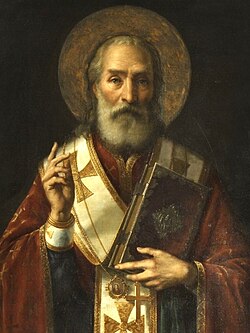
Santa Claus is one of the most beloved figures of Christmas, especially among children. His story began with Saint Nicholas, who was born in Turkey around A.D. 280. St. Nicholas gave away all of his inherited wealth and traveled the countryside helping the poor and sick, becoming known as the protector of children and sailors.
St. Nicholas first entered American popular culture in the late 18th century in New York, when Dutch families gathered to honor the anniversary of the death of “Sint Nikolaas” (Saint Nicholas), or “Sinter Klaas” for short. “Santa Claus” draws his name from this nickname.
Over centuries:
Stories spread
Legends grew
Cultures reshaped his image
Literature and media modernized him
Today, Santa symbolizes:
Generosity
Childhood wonder
The joy of giving
Christmas looks different across cultures, but the heart remains the same.
Common Traditions:
Decorating homes and streets
Family gatherings
Gift exchange
Church services
Singing carols
Community feasts
Cultural Diversity:
In Europe, Christmas markets and winter festivals
In Latin America, Religious processions and reenactments
In Asia, Cultural celebrations are mixed with local traditions
In the Southern Hemisphere, Summer Christmas with outdoor events
Christmas is also a celebration of sharing food:
Special family meals
Traditional desserts
Cultural dishes
Community feasts
Food symbolizes abundance, care, and togetherness
Christmas music fills the season with emotion and warmth. Carols tell stories of:
Jesus’ birth
Peace and goodwill
Love and celebration
Famous songs like Silent Night, Jingle Bells, and Joy to the World are sung across generations, creating powerful emotional connections.
Today, Christmas exists in two worlds:
Traditional Meaning:
Faith
Family
Community
Charity
Reflection
Modern Reality:
Commercialization
Global marketing
Tourism
Digital celebrations
Social media culture
Yet, despite commercialization, the core message survives. Kindness still matters. Love still matters. Giving still matters.
25–30 million real Christmas trees are sold in the U.S. every year.
Christmas accounts for up to 25% of U.S. annual retail sales.
Rudolph the Red-Nosed Reindeer was created in 1939 as a marketing character
Christmas celebrations in the Philippines can start in September
Over 3 billion Christmas cards are sent in the U.S. every year
The world’s “largest Christmas tree” is actually a mountain of lights in Italy
The first artificial Christmas tree was made of dyed goose feathers
In a world often divided by conflict, stress, and uncertainty, Christmas offers:
A moment of pause and reflection
A reminder of kindness and generosity
An opportunity to reconnect with loved ones
A reason to give without expecting anything in return
At its core, Christmas is about human connection.
Christmas is not only about gifts, lights, or grand celebrations. It is about love, compassion, forgiveness, and hope. It reminds us to slow down, appreciate our blessings, and care for one another.
In the quiet glow of Christmas lights and the warmth of shared moments, we rediscover something precious — the simple joy of being human.
“Christmas is not a season. It is a feeling.” — Edna Ferber