
World Toilet Day
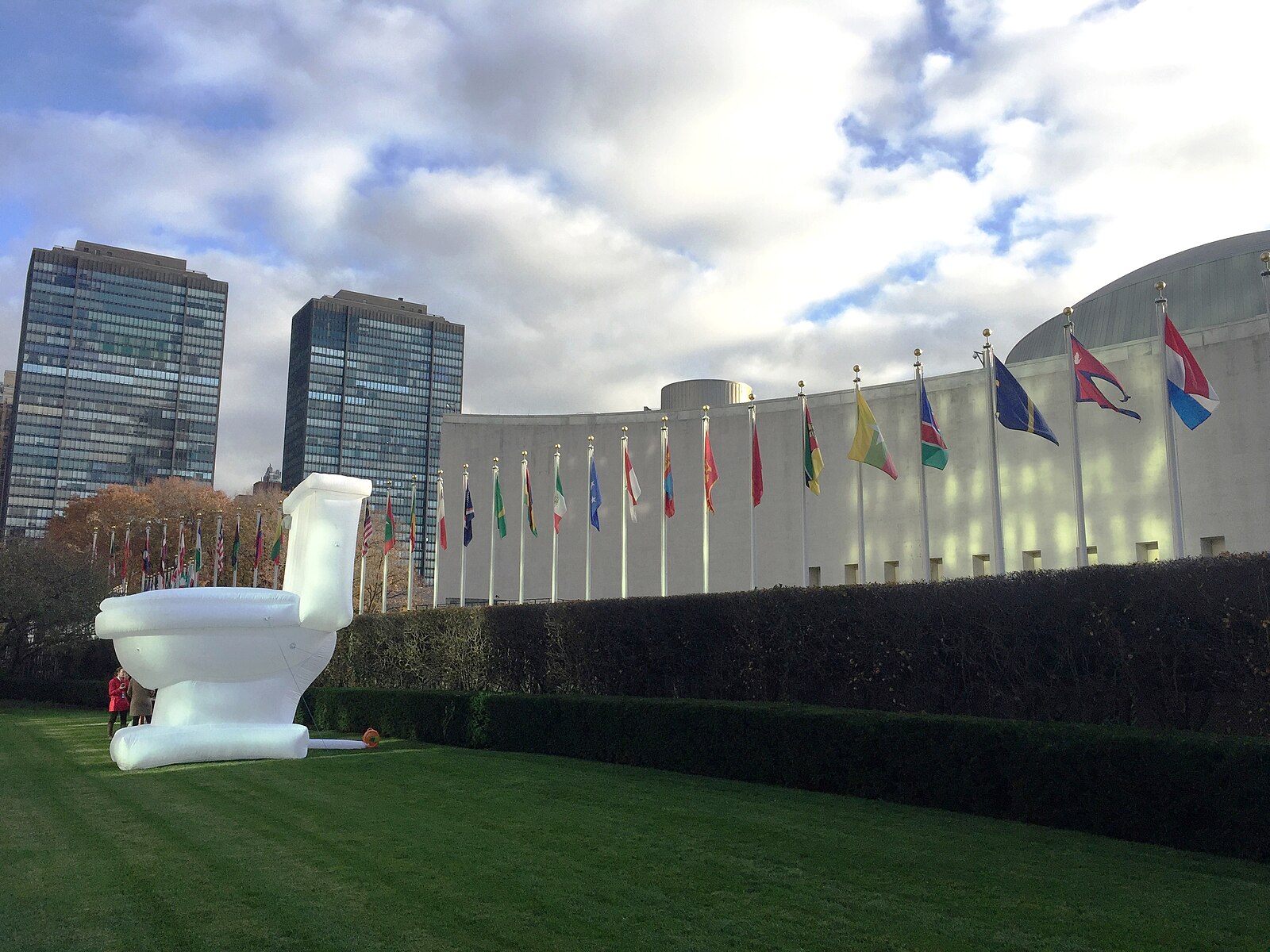
Introduction
World Toilet Day is an international observance that celebrates the importance of toilets and safe sanitation. It raises awareness of the global sanitation crisis, highlighting that access to a safe toilet is a basic human right. It also awakens people to the consequences of not having a clean, safe toilet in their residence.
It focuses on encouraging people to improve the infrastructure of sanitation so that everyone has access to it. Every person in the community, even the poorest and most vulnerable group, should be able to and must use a safe and hygienic toilet. This campaign often connects to goals like health, education, gender equality, and sustainable development.
This day draws attention to the fact that many people still cannot use safely managed toilets till date. It highlights that toilets connect to health, education, gender equality, and sustainable development.
History and Origin
World Toilet Day was first celebrated in 2001 by the World Toilet Organization. The World Toilet Organisation was founded in Singapore by Jack Sim to draw attention to global sanitation. Later, the UN General Assembly officially made it a formal UN-observed international day in 2013.
Celebration
World Toilet Day is celebrated annually on the 19th of November. It is observed globally by organizations based on health and sanitation. Governmental offices, schools, NGOs, community groups, and individuals host campaigns to make the event a success.
It is celebrated all around the world. All the countries where the sanitation issues and awareness campaigns are relevant celebrate this day. In major cities, rallies and campaigns take place on a large scale. Likewise, in rural areas, the construction and maintenance of toilets are done. Awareness activities are conducted in both areas, expecting people to mitigate the bad effects of a bad toilet.
Other activities conducted on this day are:
Schools and other educational institutions often conduct cleanup rallies around the society to aware people regarding sanitation and hygiene
Media like TV, radio are used to circulate information about the day.
Banners, posts, and video clips are also shared through social media.
NGOs, INGOs, and UN agencies conduct workshops, webinars, and seminars to keep up with the awareness and educate people.
Social and Educational Value
This day teaches that sanitation is essential for health, dignity, and prosperity in life. It encourages equality, environmental responsibility, and care for community health among the youths. This day also increases community bonding. People work together in sanitation activities and awareness rallies, which strengthen community cooperation.
Children learn from their families regarding health, sanitation, toilet training, and other issues. They also learn about the importance of clean water, safe toilets, hygiene practices, and their connection to sustainable development.
UN Recognition
The United Nations General Assembly officially assigned 19 November as World Toilet Day in 2013. This campaign is coordinated by UN-Water. Although the whole world observes it, no holiday is provided for this specific observance.
Do’s and Don’ts
Do’s
Spread awareness about sanitation and hygiene.
Organize or join clean-up and education events.
Teach children about safe toilets and hygiene practices.
Don’ts
Do not spread misinformation about sanitation and health.
Avoid ignoring local sanitation needs or community voices.
In this way, World Toilet Day is globally observed to raise awareness among people who aren’t very aware of sanitation, hygiene, and the use of a clean toilet.