
| Date | Ashad Shukla Ekadashi (July 24) |
| Duration | One-day fasting event |
| Observance | National and Regional |
| Celebrated in | Nepal, India, and Vaishnava Hindu communities worldwide |
| Observing Communities | Vishnu devotees, Vaishnavas, and Hindu practitioners broadly |
| Type of Event | Religious (Sacred Ekadashi Fast) |
| Purpose of Event | To observe the most sacred Ekadashi of the year—the day Lord Vishnu enters yogic sleep—through devoted fasting, seeking divine protection, spiritual advancement, and liberation. |
| Holiday Status | Not an official public holiday in Nepal; recognized in some Indian states |
| First Observed in | Vedic period (documented in Padma Purana and Bhavishya Purana) |
Quick Fact: Harishayani Ekadashi is one of the most theologically significant days in the Vaishnava calendar. According to the Padma Purana, Lord Vishnu himself declared that those who observe this Ekadashi with complete devotion and fast sincerely will be freed from all sins accumulated over thousands of lifetimes and will attain his divine abode (Vaikuntha) after death.
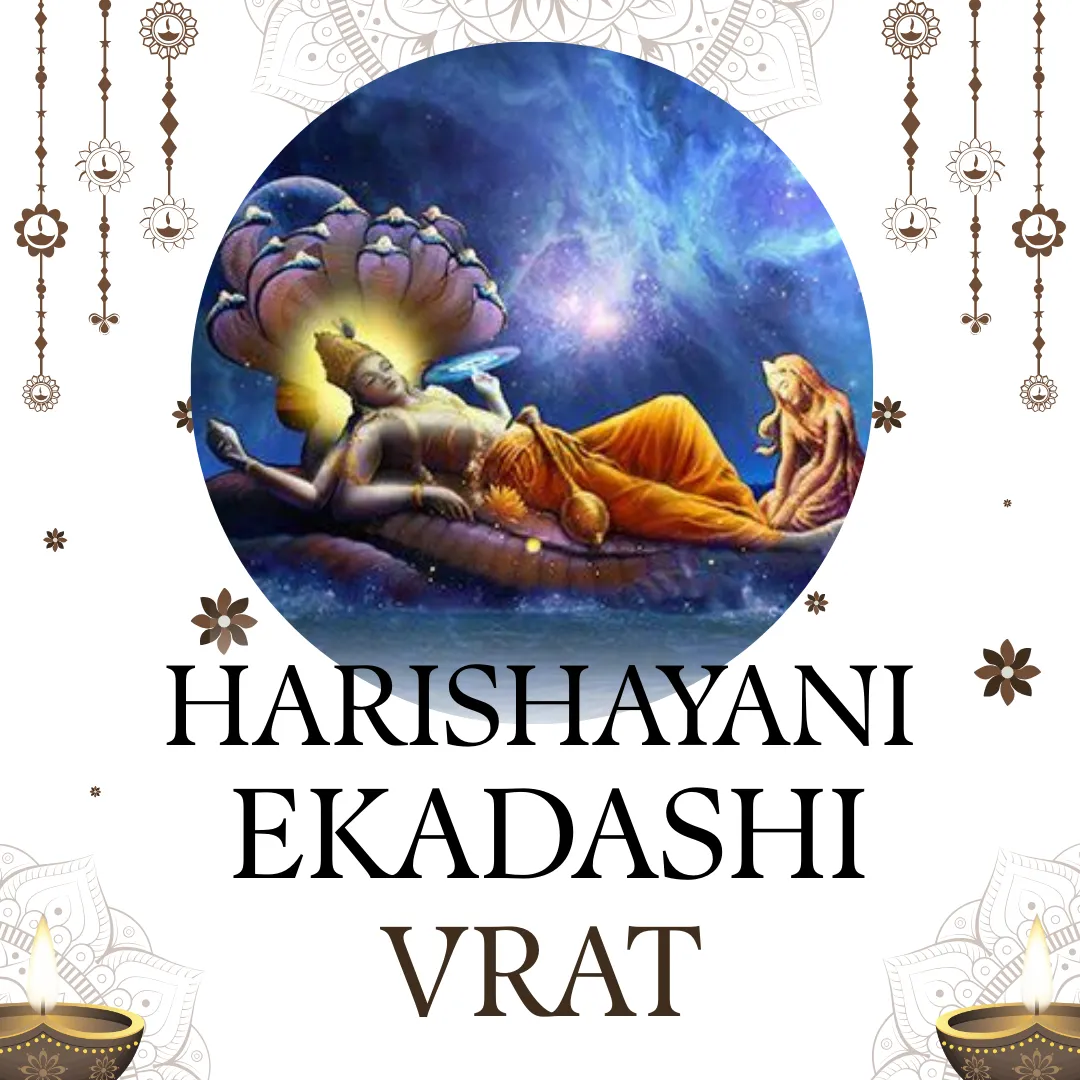
Harishayani Ekadashi Vrata (also known as Devshayani Ekadashi, Padma Ekadashi, or Ashadhi Ekadashi) is observed on the 11th lunar day (Ekadashi) of the waxing moon (Shukla Paksha) of the Ashad month. This is considered one of the most sacred and significant Ekadashis of the entire Hindu calendar year, the day when, according to Hindu mythology, Lord Vishnu (Hari) retires into yogic sleep (shayana) for four months, marking the beginning of the sacred Chaturmaas period.
Harishayani Ekadashi is one of the most deeply documented and spiritually significant Ekadashi observances in Hindu Puranic literature. "Harishayani" literally means "the sleeping of Hari (Vishnu)", referring to the divine cosmic event when Lord Vishnu enters yoga nidra (yogic sleep) on this day. The Padma Purana records a detailed conversation between King Mandhata and the sage Pulastya about the glories of this Ekadashi. According to Puranic accounts, during the four months of Chaturmaas, while Vishnu sleeps on the cosmic serpent Ananta Shesha in the Garbhodaka Ocean, the earth is sustained by Lord Shiva. This Ekadashi is also known as Ashadhi Ekadashi in Maharashtra, where it is celebrated with great devotion at the Pandharpur Vitthal temple, one of the largest religious gatherings in South Asia.
This vrata is observed to:
Fast in honor of Lord Vishnu's cosmic sleep and seek his divine protection during the Chaturmaas period.
Obtain divine grace and blessings for spiritual liberation from the cycle of birth and death.
Initiate the Chaturmaas period of heightened spiritual devotion and disciplined religious practice.
Seek Vishnu's blessings for health, prosperity, and protection of family through the monsoon months.
This vrata is observed through:
Complete fasting from sunrise on Ekadashi day, abstaining from all grains, lentils, and cooked food.
Night vigil (Jagran) with prayers, chanting of Vishnu mantras, and devotional singing throughout the night.
Reading and recitation of Vishnu Sahasranama (the thousand names of Vishnu) with devotion.
Temple visits, meditation, and deep spiritual contemplation centered on Lord Vishnu's grace.
Breaking the fast (Parana) on the following day with pure sattvic vegetarian food between sunrise and noon.
This vrata is significant because:
It is considered one of the most powerful and sacred Ekadashis of the entire Hindu calendar year.
It marks the commencement of the most important four-month spiritual period in Hindu tradition.
It is believed to be highly effective for spiritual advancement, sin dissolution, and path to liberation.
It is widely and enthusiastically observed across Hindu communities worldwide, including the Pandharpur Wari pilgrimage.
It demonstrates profound devotion to Vishnu as the cosmic sustainer and protector of all creation.
Harishayani Ekadashi Vrata is a day of extraordinary spiritual significance, the day when Lord Vishnu retires to cosmic rest and devotees respond by rising to their highest spiritual devotion. By fasting with sincerity and surrendering to the grace of Vishnu on this sacred Ekadashi, devotees believe they plant seeds of liberation that will blossom through the entire auspicious Chaturmaas season and beyond.