
| Date | Ashad Shukla Purnima (July 29) |
| Duration | One-day fasting and worship |
| Observance | National and Regional |
| Celebrated in | Nepal, India, and Hindu and Buddhist communities worldwide |
| Observing Communities | Spiritual seekers, yoga practitioners, Buddhists, and Hindu devotees |
| Type of Event | Religious (Fasting Vrata) |
| Purpose of Event | To observe the sacred fasting vrata on Guru Purnima, strengthening the guru-disciple relationship, honoring spiritual teachers, and accelerating one's own spiritual progress through disciplined devotion. |
| Holiday Status | Recognized in some Indian states; not an official public holiday in Nepal |
| First Observed in | Vedic period (ancient times, rooted in the guru-shishya tradition) |
Quick Fact: In Buddhist tradition, Guru Purnima (also called Asalha Puja or Dhamma Day) marks the anniversary of the Buddha's first sermon at Deer Park in Sarnath, where he taught the Four Noble Truths to his first five disciples. This universal significance across both Hindu and Buddhist traditions makes Guru Purnima one of the most widely observed sacred days in the entire Asian spiritual calendar.
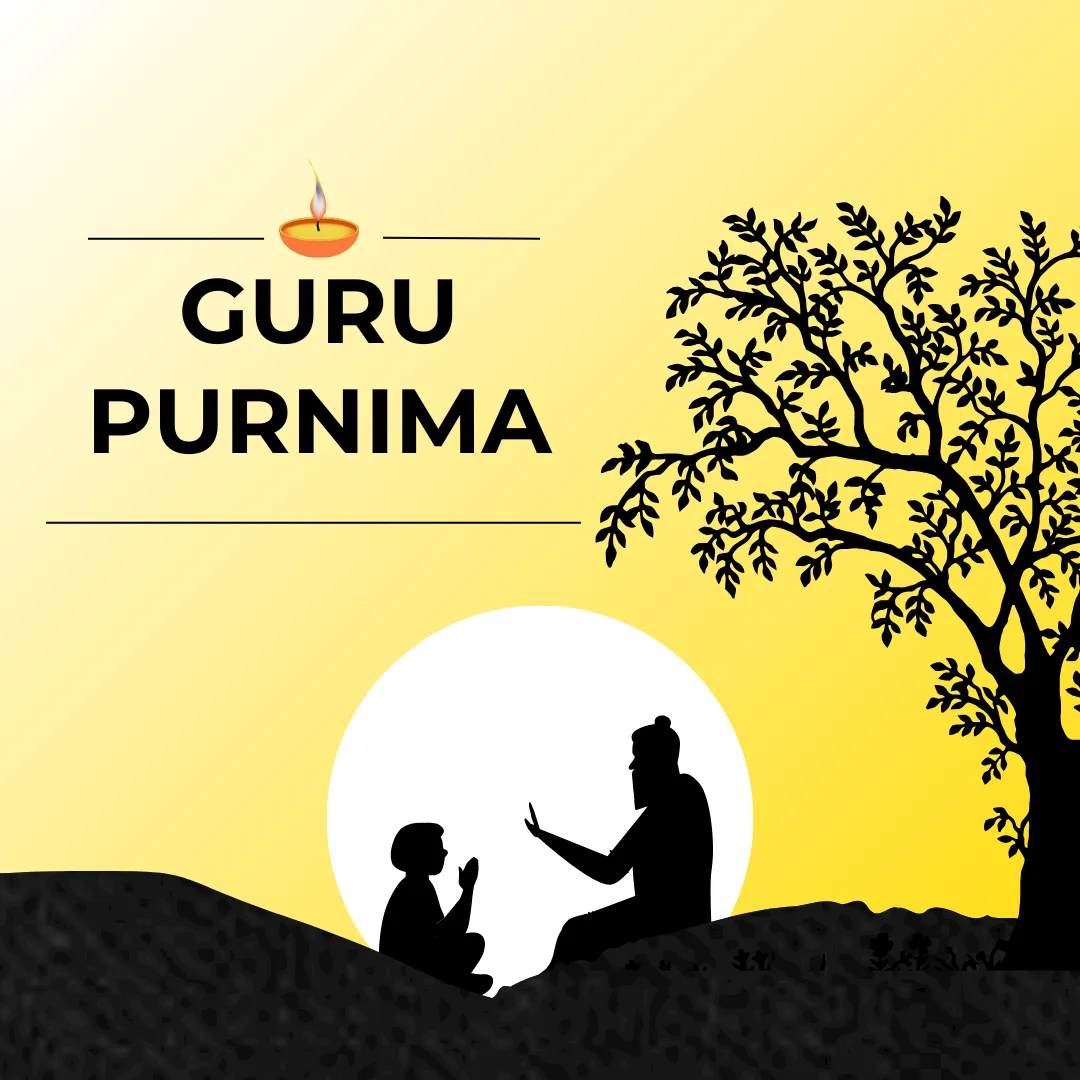
Guru Purnima Vrata is the sacred fasting observance associated with Guru Purnima, the full moon day of Ashad month that celebrates Maharishi Vyasa and the entire tradition of spiritual teachers (gurus). By fasting on this supremely auspicious full moon day, devotees deepen their connection to their spiritual teacher, purify their practice, and open themselves more fully to the grace of divine wisdom that flows through the guru lineage.
Guru Purnima Vrata is the fasting dimension of the broader Guru Purnima celebration. The full moon day of Ashad month has been considered one of the most spiritually powerful days in the Hindu calendar for thousands of years, particularly associated with Maharishi Vyasa's birth and the ancient tradition of guru-disciple transmission. In the Vedic ashram system, disciples would observe this day with fasting, intense spiritual practice, and formal honoring of their gurus. The practice dates back to ancient times when gurus would initiate disciples, impart teachings, and accept the renewed devotion of their students during this most auspicious time. Both Hindu and Buddhist traditions observe this day as sacred, making it a pan-Indian and cross-tradition observance with global reach.
This vrata is observed to:
Strengthen spiritual discipline and deepen one's commitment to the path of knowledge and liberation.
Honor gurus, teachers, and all who have transmitted wisdom and guidance on the spiritual path.
Accelerate spiritual progress through the combined power of fasting, prayer, and devotional practice.
Seek direct blessings and grace from one's spiritual teacher and the lineage of gurus.
This vrata is observed through:
Complete or partial fasting throughout the day, depending on individual capacity and tradition.
Formal Guru Puja, ritual worship of the spiritual teacher with flowers, incense, and offerings.
Meditation, yoga, and intensified spiritual practices dedicated to one's guru throughout the day.
Reading and contemplation of sacred texts and spiritual teachings received from the guru lineage.
Breaking the fast in the evening with sattvic (pure) vegetarian food in a spirit of gratitude and devotion.
This vrata is significant because:
It is one of the most spiritually powerful full moon fasting days in the entire Hindu and Buddhist calendar.
It is central to Hindu spiritual practice, emphasizing the irreplaceable role of the guru in spiritual life.
It reinforces the supreme value of devotion to knowledge and respect for spiritual guidance.
It is widely observed by yoga ashrams, Buddhist centers, and spiritual communities across the globe.
It combines the purifying discipline of fasting with the opening of the heart to spiritual transmission.
Guru Purnima Vrata is a day of profound spiritual gratitude and renewal. By fasting and dedicating this luminous full moon day to their teachers and to the sacred tradition of wisdom transmission, devotees reaffirm the ancient understanding that no spiritual journey is walked alone, that at the heart of every seeker's path stands the grace of a teacher who lights the way.