| Date | Magh Shukla Purnima / beginning of Magh month (approximately January 10) |
| Duration | One full month (daily recitation) |
| Observance | National (Nepal) |
| Celebrated in | Nepal, especially in Hindu households and temple communities |
| Observing Communities | Hindu women and families across Nepal |
| Type of Event | Religious (Sacred Narrative Recitation Vrata) |
| Purpose of Event | To commence the month-long daily recitation of the sacred Swasthani Vrat Katha (story of Goddess Swasthani), seeking blessings for family protection, health, and spiritual merit. |
| Holiday Status | Not an official public holiday in Nepal |
| First Observed in | Ancient times (rooted in Hindu narrative tradition of Nepal) |
Quick Fact: The Swasthani Vrat Katha is a uniquely Nepali religious text that blends the stories of Shiva, Parvati, and the goddess Swasthani into a narrative of devotion, sacrifice, and divine protection. Every evening throughout the month of Magh, women gather around oil lamps to recite or listen to chapters of this text, creating an unbroken living tradition of oral religious transmission in Nepali homes.
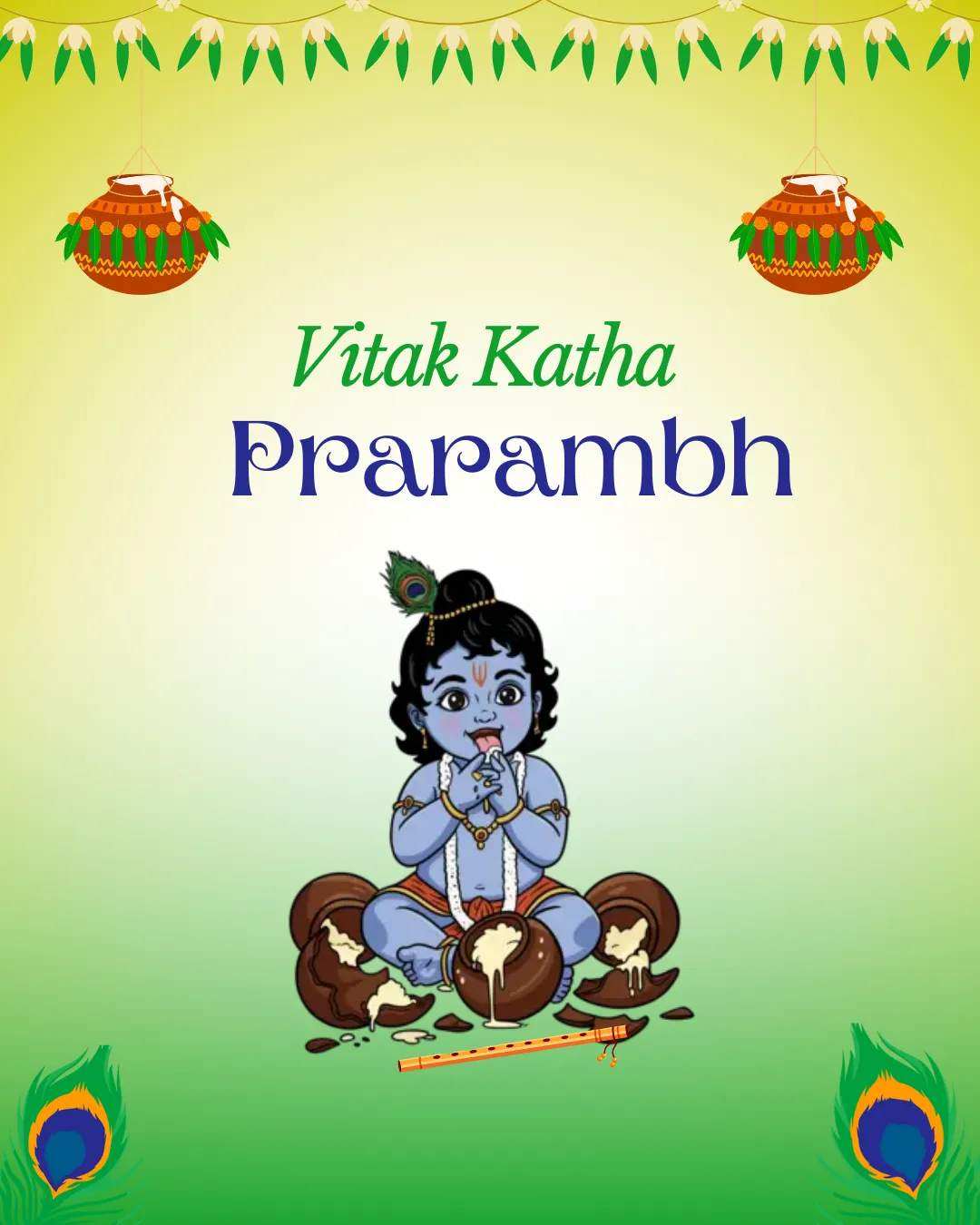
Vitak Katha Prarambha marks the auspicious beginning of the month-long recitation of the Swasthani Vrat Katha, a sacred narrative central to the religious life of Hindu families in Nepal. Commencing during the month of Magh, this observance initiates a period of daily collective recitation of the katha (story) of Goddess Swasthani, bringing together women and families in sustained spiritual practice throughout one of Nepal's spiritually richest months.
Vitak Katha Prarambha is associated with the commencement of recitation of the Swasthani Vrat Katha, a sacred narrative tradition uniquely important in Nepali Hindu religious life. The Swasthani Vrat Katha is a Nepali-language religious text that narrates the stories of Goddess Swasthani, a protective deity central to Nepali Hindu tradition, alongside accounts of Shiva, Parvati, Sati, and other divine figures. This tradition of daily recitation for an entire month represents one of Nepal's most enduring collective spiritual practices. The month of Magh holds special significance in Hindu tradition as a period of spiritual austerity and religious intensification, making it the ideal time for this sustained devotional commitment. Swasthani Brata is one of the most widely observed religious observances among Hindu women in Nepal, practiced in homes and temple communities across the country.
This observance is initiated to:
Commence the month-long sacred recitation of the Swasthani Vrat Katha with proper ritual initiation.
Express devotion to Goddess Swasthani for her divine protection of families and households.
Establish a daily spiritual practice and religious discipline maintained throughout the entire month.
Seek divine blessings for family welfare, health, marital harmony, and spiritual merit.
This observance is initiated and maintained through:
Daily recitation of the Swasthani Katha for one full month in households and temple settings.
Puja and prayers to Goddess Swasthani at household shrines with flowers, lamps, and offerings.
Women-led spiritual gatherings and communal narration circles in homes and neighborhoods.
Specific dietary observances and fasting practices maintained throughout the month of recitation.
Community participation in evening spiritual readings with lamp-lighting and devotional atmosphere.
This observance is significant because:
It is central to the Magh month spiritual calendar and one of Nepal's most beloved religious traditions.
It is particularly significant for women's religious participation and leadership in Nepali spiritual life.
It preserves and transmits the oral tradition of sacred narrative within Nepali Hindu families.
It strengthens family and community bonds through sustained collective religious engagement.
It invokes divine protection for family health according to deeply cherished traditional belief.
Vitak Katha Prarambha opens a month of rich spiritual life for Nepali Hindu families. In the long evenings of the cold Magh month, as oil lamps flicker and voices rise together in recitation, a living thread of devotion connects each household to an ancient tradition of faith, story, and divine blessing that has been passed down through generations of Nepali women and their families.