
| Date | Shrawan Shukla Purnima (July 31) |
| Duration | One-day festival |
| Observance | National (Nepal) |
| Celebrated in | Nepal, especially in agricultural communities and villages |
| Observing Communities | Farmers, rural communities, and Nepali families broadly |
| Type of Event | Agricultural and Cultural |
| Purpose of Event | To celebrate the successful completion of the rice planting season (Ropain) with the communal preparation and enjoyment of Khir (rice pudding), giving thanks for the monsoon and good harvest prospects. |
| Holiday Status | Not an official public holiday in Nepal |
| First Observed in | Ancient agricultural tradition (pre-history) |
Quick Fact: Khir (rice pudding cooked with milk, sugar, and ghee) is considered an auspicious and sacred food in Nepali Hindu culture, offered to deities during puja and served to guests and family during celebrations. On Khir Khane Din, the sweet dish symbolizes the sweetness of a successful planting season and hopes for an abundant harvest.
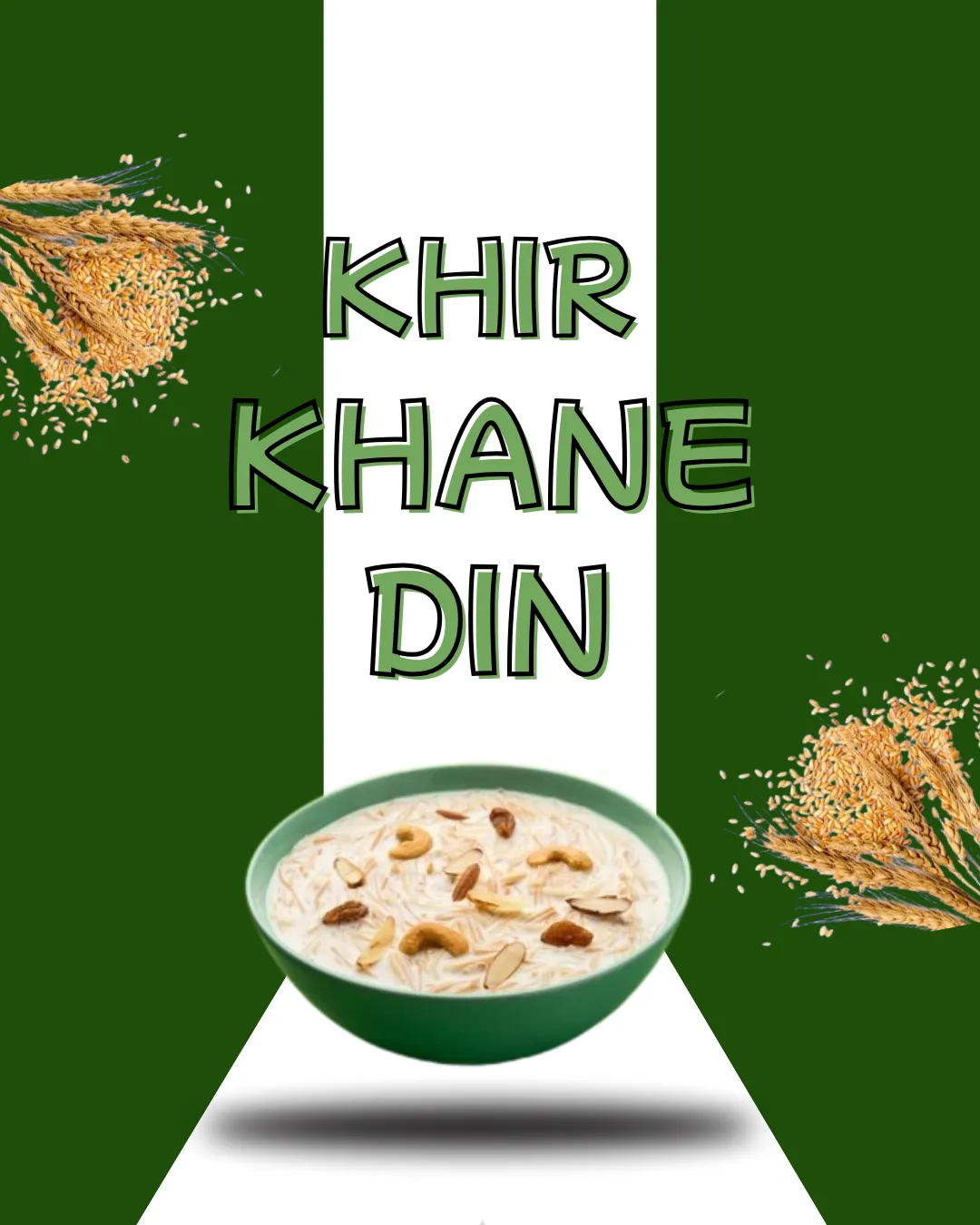
Khir Khane Din is a traditional Nepali festival celebrated on the full moon day of the Shrawan month, marking the successful completion of the rice planting season (Ropain). The name literally translates to "Day for Eating Khir" in Nepali, referring to the sweet rice pudding traditionally prepared and shared among family members, neighbors, and community. This joyous agricultural festival ties the rhythm of farming life to the cycles of the lunar calendar.
Khir Khane Din is rooted deeply in Nepal's farming culture and traditions dating back to ancient agricultural practices. The festival falls on the full moon (Purnima) of Shrawan month, coinciding with the completion of the critical rice transplanting phase known as Ropain. Historically, farmers across Nepal's hills and plains would gather to celebrate the hard work and successful completion of this crucial agricultural task. The preparation of Khir, made from the same rice grown in their fields, served as both a thanksgiving offering and a communal celebration of collective labor and hope for a bountiful harvest. This tradition beautifully merges agricultural consciousness with cultural identity.
This festival is observed to:
Celebrate the successful completion of the rice planting season and honor farming labor.
Give gratitude to the monsoon rains and natural forces that enable agricultural abundance.
Strengthen community and family bonds through collective cooking and sharing.
Seek blessings for a good harvest and prosperity for farming families.
This festival is celebrated through:
Preparation of Khir using freshly harvested rice, full-cream milk, sugar, and ghee in family kitchens.
Family gatherings and communal feasts shared among neighbors, relatives, and community members.
Temple visits and religious offerings of Khir to deities as thanksgiving for the successful planting.
Sharing Khir generously with neighbors, relatives, and all members of the community.
Traditional songs, music, and celebrations in villages marking the season's milestone.
This festival is important because:
It is central to the Nepali agricultural calendar and deeply embedded in farming culture.
It reinforces community unity and social bonds through collective celebration and food sharing.
It marks a crucial turning point in the annual rice cultivation cycle that sustains millions.
It demonstrates gratitude for natural resources, monsoon rains, and earth's generosity.
It preserves traditional food culture and Nepali culinary heritage for future generations.
Khir Khane Din beautifully encapsulates the heart of Nepali culture: gratitude, community, and the celebration of life's simple abundance. As families gather to share the sweetness of Khir on the full moon of Shrawan, they honor not only the labor of farmers but the timeless bond between the land and the people who tend it.