| Date | Shrawan Krishna Ekadashi (August 8) |
| Duration | One-day fasting event |
| Observance | National and Regional |
| Celebrated in | Nepal, India, and Vaishnava communities worldwide |
| Observing Communities | Vishnu devotees, Vaishnavas, and Hindu practitioners broadly |
| Type of Event | Religious |
| Purpose of Event | To observe the most auspicious Ekadashi of the Shrawan month, seeking Lord Vishnu's divine grace for spiritual liberation, purification of sins, and fulfillment of sincere spiritual aspirations. |
| Holiday Status | No (Religious observance, not a public holiday) |
| First Observed in | Vedic period (documented in Bhavishya Purana and Padma Purana) |
Quick Fact: According to the Bhavishya Purana, observing Kamika Ekadashi bestows merit equivalent to bathing in all sacred rivers simultaneously. The text states that those who fast on this day with devotion are freed from the cycle of birth and death and attain liberation (moksha). The Ekadashi falls during the holy month of Shrawan, which doubles the spiritual potency of the observance.
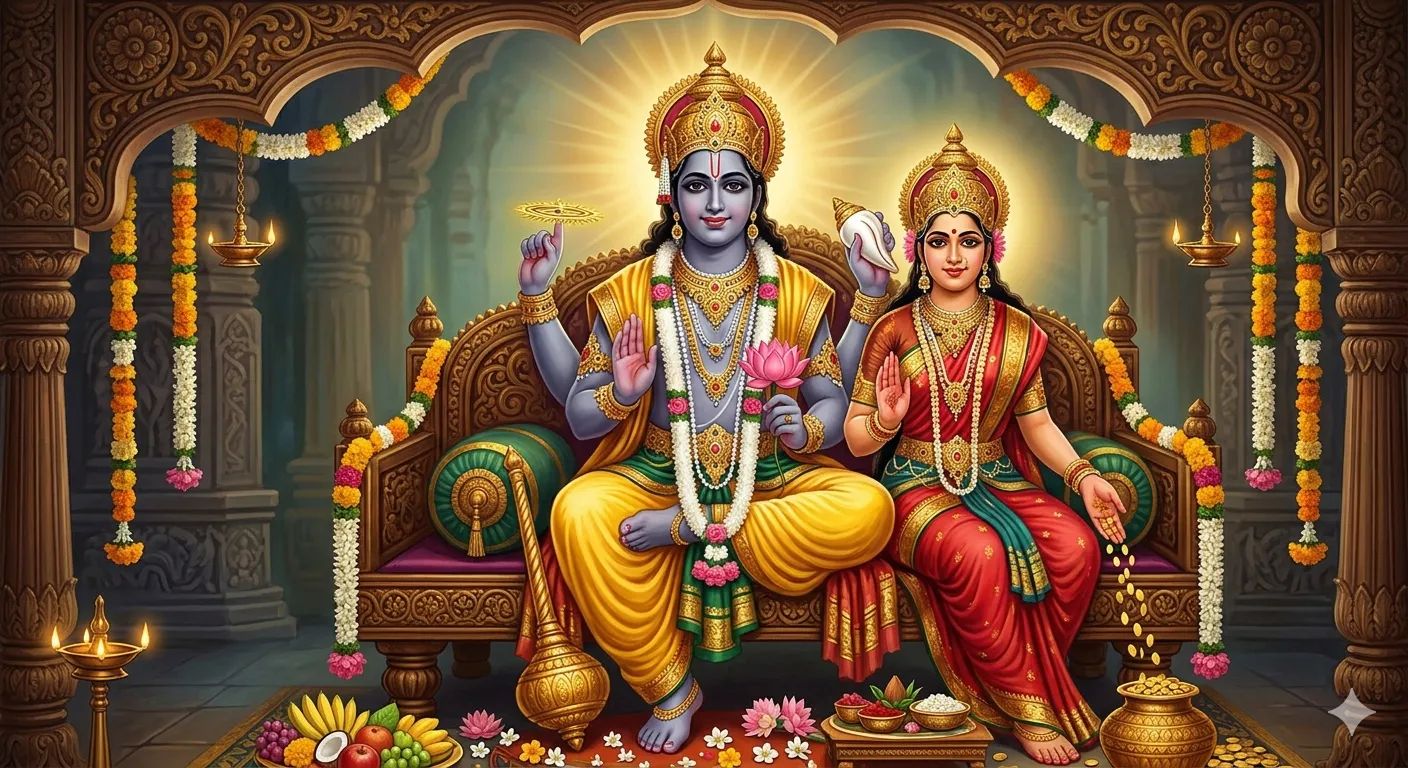
Kamika Ekadashi Vrata is one of the most sacred and spiritually powerful Ekadashi fasting observances in the Hindu calendar, observed on the 11th lunar day (Ekadashi) of the dark fortnight (Krishna Paksha) of the holy month of Shrawan. Falling within the sacred Chaturmaas period and the auspicious month of Shrawan, both especially dear to Lord Vishnu, this Ekadashi carries exceptional spiritual significance for Vaishnava devotees across Nepal and India.
Kamika Ekadashi is extensively documented in Hindu Puranas, particularly the Bhavishya Purana and the Padma Purana, where Lord Krishna narrates its glory to King Yudhishthira. The festival holds special significance in Vaishnavism and is considered one of the most powerful days for fasting and spiritual practice in the entire year. Its name derives from "Kamika" suggesting the fulfillment of righteous desires (kama). This Ekadashi falls during the holy month of Shrawan, which is particularly sacred to Lord Vishnu, making the combined observance especially potent for spiritual advancement and divine grace. The tradition of Ekadashi fasting is over three thousand years old and remains one of the most consistently observed Hindu religious practices.
This vrata is observed to:
Seek appeasement of Lord Vishnu through sacred fasting and dedicated devotional worship.
Attain divine grace and spiritual liberation through sincere observance of the fast.
Achieve thorough purification of body, mind, and soul through disciplined fasting and prayer.
Fulfill sincere spiritual aspirations and advance on the path toward moksha (liberation).
This vrata is observed through:
Complete fasting from sunrise on Ekadashi day, abstaining from all grains and cooked food.
Staying awake throughout the night (Jagran) with prayers, chanting, and devotional singing.
Chanting Vishnu mantras, Vishnu Sahasranama, and sacred hymns throughout the fasting period.
Temple worship, meditation, and focused devotional practice at Vishnu shrines.
Breaking the fast (Parana) on the following day with pure vegetarian food between sunrise and noon.
This vrata is important because:
It is considered among the most auspicious and potent Ekadashis for spiritual advancement in the entire year.
It is highly effective for purification from sins and the removal of karmic obstacles and negativity.
It deepens the devotee's relationship with Lord Vishnu and accelerates progress toward spiritual liberation.
Its placement in the sacred months of Shrawan and Chaturmaas multiplies its spiritual potency.
It is central to the Vaishnava devotional calendar and widely observed across Hindu communities globally.
Kamika Ekadashi Vrata offers devotees a profound opportunity to immerse in spiritual purification and draw closer to the grace of Lord Vishnu. By observing this Ekadashi with sincerity during the holy month of Shrawan, devotees tap into a reservoir of accumulated sacred power that clears the path toward liberation and fills the heart with divine love and peace.