
World Hepatitis Day is celebrated every year on July 28th. This day raises awareness about viral hepatitis worldwide. It promotes prevention, testing, and access to treatment. Approximately 354 million people have chronic hepatitis.
| Date | 28 July |
| Duration | One day |
| Celebrated In | Countries worldwide |
| Observing Communities | Health organisations, medical professionals, NGOs |
| Type of Event | International / Awareness |
| Purpose of Event | To raise awareness about viral hepatitis prevention, testing, and treatment |
| First Observed In | 2010 |
| Holiday Status | No holiday is provided |
Hepatitis Day is observed by health organizations globally. Governments and hospitals participate actively worldwide. Over 150 countries recognize this important health observance. Millions of people take action against hepatitis.
Healthcare Systems Organize Testing and Vaccination Events:
Hospitals coordinate free hepatitis screening programs
Blood banks test donors for hepatitis viruses
Clinics offer vaccination for preventable hepatitis
Mobile health units bring testing to communities
Healthcare facilities launch awareness campaigns
Communities Participate in Hepatitis Prevention Activities:
Schools teach students about hepatitis transmission
Workplaces organize testing and education events
Community centers host health screening programs
Pharmacies provide vaccination and education services
Support groups help patients manage hepatitis
Governments Strengthen Hepatitis Prevention and Treatment:
Health ministries launch prevention initiatives
Law enforcement targets illegal drug injection operations
Blood screening programs strengthen transfusion safety
Treatment programs expand access to medications
Vaccination programs target vulnerable populations
Media and Digital Platforms Share Hepatitis Information:
News outlets cover hepatitis prevention importance
Social media campaigns educate about testing and treatment
Documentaries tell hepatitis survivor stories
Educational websites provide reliable information
Online forums connect patients and support networks
World Hepatitis Day honors important medical discoveries. July 28 celebrates Baruch Blumberg's birth anniversary. Blumberg discovered hepatitis B virus in 1973. This day recognizes ongoing hepatitis elimination efforts.
Important Historical Milestones in Hepatitis Research:
Hepatitis A was identified in 1965 originally. Hepatitis B discovery occurred in 1973 officially. Hepatitis C was discovered in 1989. Hepatitis D and E viruses were later identified. Modern vaccines became available in twentieth century. Direct-acting antivirals revolutionized hepatitis C treatment. Screening tests improved dramatically over time. Transmission prevention became possible gradually. Current treatments now cure many patients. Future research promises continued improvements.
Timeline of Hepatitis Research and Treatment Development:
1965: Hepatitis A virus discovery announced officially
1973: Baruch Blumberg discovers hepatitis B virus
1989: Hepatitis C virus identification completed
1994: Hepatitis E virus identified officially
2008: WHO establishes World Hepatitis Day
2010: Hepatitis B vaccine introduced globally
2014: Direct-acting antivirals approved for treatment
2020: COVID-19 increases hepatitis vulnerability
2023: Enhanced hepatitis elimination initiatives
Evolution Over Time:
Early hepatitis patients faced unknown disease progression. Scientists gradually identified different hepatitis viruses. Transmission routes became better understood gradually. Prevention methods improved significantly over decades. Vaccination programs reduced hepatitis B transmission. Screening tests prevented contaminated blood transfusions. Treatment options expanded dramatically recently. Direct-acting antivirals now cure hepatitis C effectively. Testing accessibility continues improving globally. Stigma around hepatitis decreases slowly. Future promises expanded treatment access worldwide.
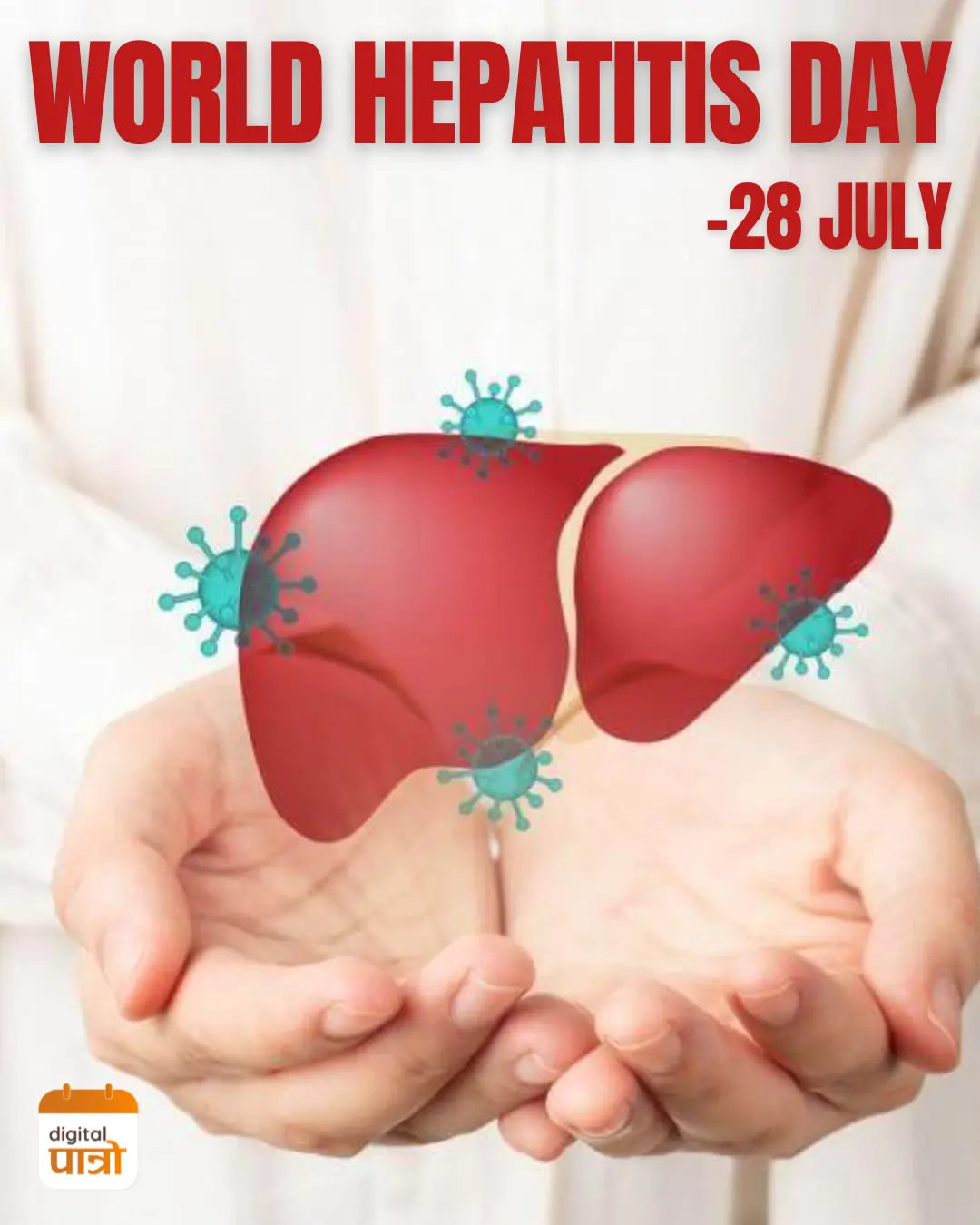
Hepatitis Day educates about viral disease prevention. This day promotes public health consciousness. Public awareness strengthens hepatitis elimination efforts. Recognition of treatment importance drives change.
Testing Enables Early Detection and Effective Treatment:
Early testing detects infection before complications
Treatment prevents serious liver disease progression
Awareness testing reduces transmission transmission
Testing enables monitoring of disease progression
Early intervention improves treatment outcomes significantly
Prevention Strategies Reduce Hepatitis Transmission:
Vaccination prevents hepatitis A and B infection
Safe injection practices prevent bloodborne transmission
Blood screening prevents contaminated transfusions
Safe food and water prevent hepatitis A
Hygiene practices reduce disease transmission
Hepatitis Awareness Reduces Stigma and Discrimination:
Education dispels hepatitis transmission myths
Public awareness reduces infected person discrimination
Support communities help affected individuals
Healthcare access improves with reduced stigma
Patient dignity increases with public understanding
Career Development in Hepatitis and Infectious Diseases:
Hepatologists specialize in liver disease management
Infectious disease doctors treat hepatitis patients
Public health specialists coordinate prevention programs
Nurses provide patient education and support
Researchers develop improved treatment options
Do's:
Get tested for hepatitis if recommended
Get vaccinated against hepatitis A and B
Teach yourself about hepatitis transmission routes
Support hepatitis awareness and testing programs
Educate others about hepatitis prevention
Practice safe injection and hygiene practices
Support affected individuals without discrimination
Participate in hepatitis awareness events
Don'ts:
Don't spread hepatitis through unsafe practices
Don't discriminate against people with hepatitis
Don't ignore hepatitis symptoms or testing
Don't delay treatment if hepatitis is detected
Don't spread misinformation about hepatitis
Understanding hepatitis helps drive prevention efforts. Statistics reveal the scope of this global challenge. These facts demonstrate why testing and treatment matter.
Approximately 354 million people have chronic hepatitis
Hepatitis B affects approximately 296 million people
Hepatitis C affects approximately 58 million people
Hepatitis causes approximately 1.5 million deaths yearly
About 2 billion people are exposed to hepatitis B
80-90% of hepatitis C cases are now curable
Hepatitis A spreads through contaminated water
Hepatitis B is transmitted through blood and sexual contact
Hepatitis C spreads primarily through blood
Hepatitis D requires hepatitis B coinfection
World Hepatitis Day fights viral hepatitis globally. This day promotes testing and treatment access. Hepatitis prevention saves millions of lives. Recognition of treatment importance drives change. Testing enables early detection and effective treatment. Together, we can eliminate hepatitis. Education builds hepatitis prevention awareness. Vaccination protects against preventable forms. Treatment access expands globally steadily. Let us commit to defeating hepatitis forever.