| Date | May 1 (Vaishakh Purnima) |
| Duration | 1 day |
| Observance | Religious festival/National holiday |
| Celebrated in | Throughout Nepal, especially Lumbini and Kathmandu |
| Observing Communities | Buddhists, Hindu devotees (syncretic) |
| Type of Event | Religious commemoration/National holiday |
| Purpose of Event | To honor the birth, enlightenment, and parinirvana of Gautama Buddha and reflect on his teachings of compassion |
| Holiday Status | Yes (National public holiday in Nepal) |
| First Observed in | 563 BCE (birth of Buddha in Lumbini, Nepal) |
Quick Fact: Buddha Jayanti uniquely celebrates three great milestones in Gautama Buddha's life on the same day: his birth, his attainment of enlightenment (Bodhi), and his parinirvana (final nirvana). This triple significance makes it the most sacred day in the Buddhist calendar. Nepal proudly recognizes its special connection to Buddhism as the birthplace of Siddhartha Gautama in Lumbini.
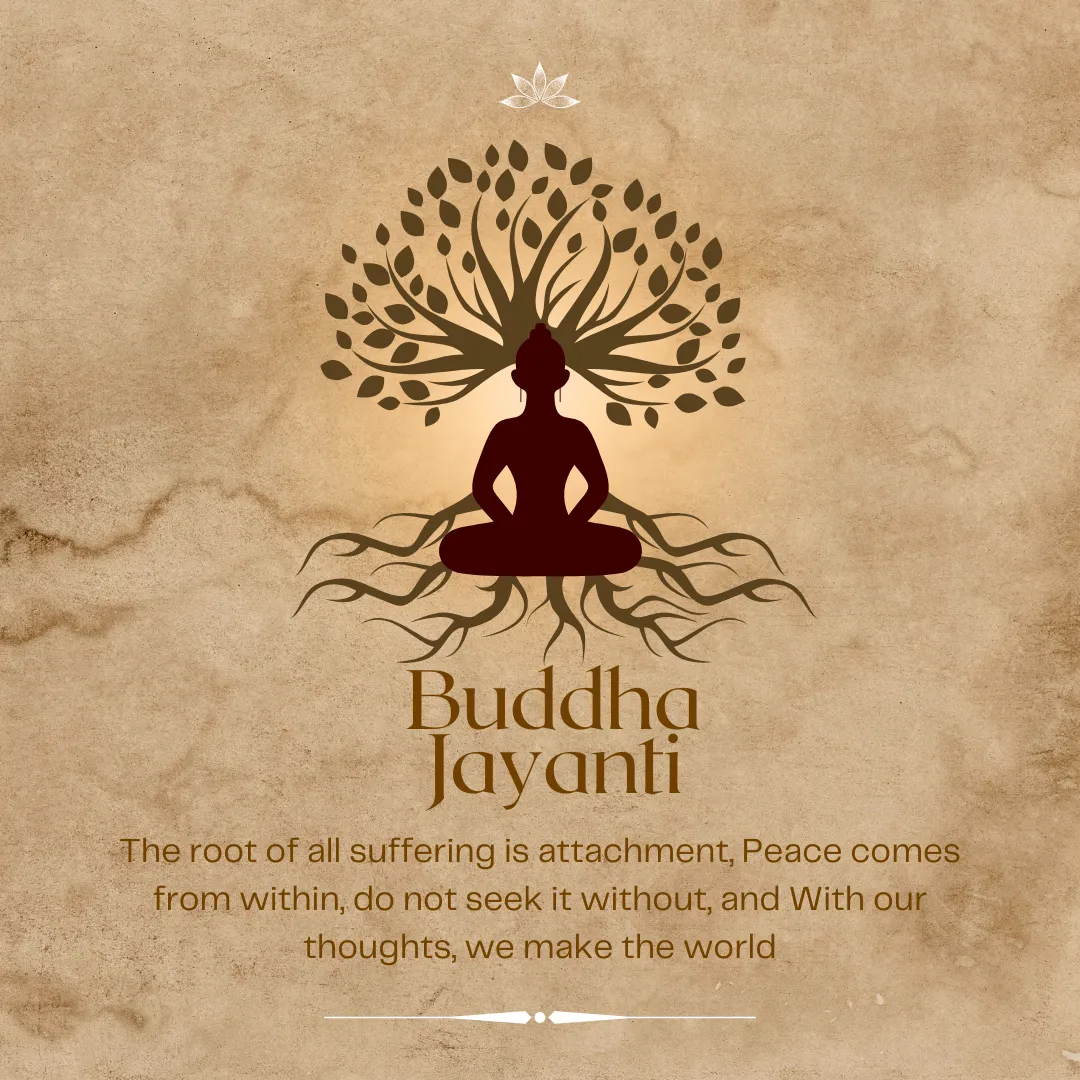
Buddha Jayanti, celebrated on Vaishakh Purnima (the full moon of Baisakh month), is Nepal's most important Buddhist festival and a national public holiday. This extraordinary day simultaneously commemorates the birth, enlightenment, and parinirvana of Siddhartha Gautama, who became Shakyamuni Buddha, making it the most sacred day in the Buddhist world calendar. Nepal holds special pride in this celebration as the homeland of the Buddha, who was born in Lumbini approximately 2,600 years ago.
Prince Siddhartha Gautama was born in 563 BCE in the sacred grove of Lumbini, in what is now Nepal's Rupandehi district. At the age of 29, he renounced his royal life, and after six years of intense spiritual practice, he attained enlightenment under the Bodhi tree at Bodh Gaya in 528 BCE. He then spent 45 years teaching the Dharma (the path to liberation) across the Indian subcontinent. According to Buddhist tradition, all three of these profound events occurred on the same Vaishakh Purnima, making it an incomparably sacred day. Nepal, as the Buddha's birthplace, holds UNESCO-recognized Lumbini as one of the world's most important pilgrimage sites.
This national celebration serves multiple purposes:
To celebrate and honor the birth, enlightenment, and liberation of Gautama Buddha.
To reflect on the Buddha's core teachings of compassion, wisdom, and the Middle Path.
To commemorate Nepal's role as the sacred birthplace of Buddhism's founder.
To inspire devotees worldwide toward the path of spiritual practice and enlightenment.
The day is celebrated with devotion and community activities:
Processions carry Buddha's statue from monasteries and Buddhist temples through city streets.
The Buddha idol is ceremonially bathed in the Abhisheka ritual as an act of purification and reverence.
Mass gatherings are held at Buddhist temples and monasteries for prayer and teachings.
Meditation sessions, dharma talks, and Buddhist teachings are organized across Nepal.
Community alms-giving and charity distributions practice the Buddha's teaching on generosity.
Thousands of butter lamps are lit and flowers offered at shrines and stupas.
This national holiday holds immense significance:
It is Nepal's most important Buddhist festival and a matter of national cultural pride.
It celebrates the founder of one of the world's major religions born on Nepali soil.
Nepal's Lumbini receives Buddhist pilgrims from across the globe on this day.
It emphasizes the universal values of compassion, non-violence, and the pursuit of wisdom.
It demonstrates Nepal's unique harmonious relationship between Hindu and Buddhist traditions.
Buddha Jayanti is a day of profound spiritual significance and national pride for Nepal. As the birthplace of Siddhartha Gautama, Nepal has a unique connection to the teachings that have transformed millions of lives across the globe. On this auspicious Vaishakh Purnima, Nepalis of all backgrounds honor the compassionate wisdom of the Enlightened One whose birth in Lumbini remains one of humanity's most spiritually significant events.