
| Date | Shravan Shukla Purnima / Janai Purnima day (August 27) |
| Duration | Marks the beginning of the pilgrimage season |
| Observance | Sacred pilgrimage season initiation |
| Celebrated in | Gosaikunda Lake, Langtang National Park, Rasuwa District, Nepal (4,380 m) |
| Observing Communities | Hindu and Buddhist pilgrims from Nepal and India, trekkers |
| Type of Event | Sacred pilgrimage site seasonal opening observance |
| Purpose of Event | Begin the annual sacred pilgrimage and ritual bathing season at Gosaikunda Lake on the auspicious occasion of Janai Purnima. |
| Holiday Status | Not an official public holiday (coincides with Janai Purnima public holiday) |
| First Observed in | Ancient period (mythology-based, associated with Lord Shiva and Guru Rinpoche) |
Quick Fact: Gosaikunda Snan Aarambha coincides with Janai Purnima, Nepal's official public holiday for the sacred thread ceremony. On this day, 20,000 to 40,000 pilgrims begin their annual sacred pilgrimage to Gosaikunda Lake at 4,380 meters elevation, making it one of the highest-altitude mass pilgrimages in the world and a defining event of the Himalayan sacred calendar.
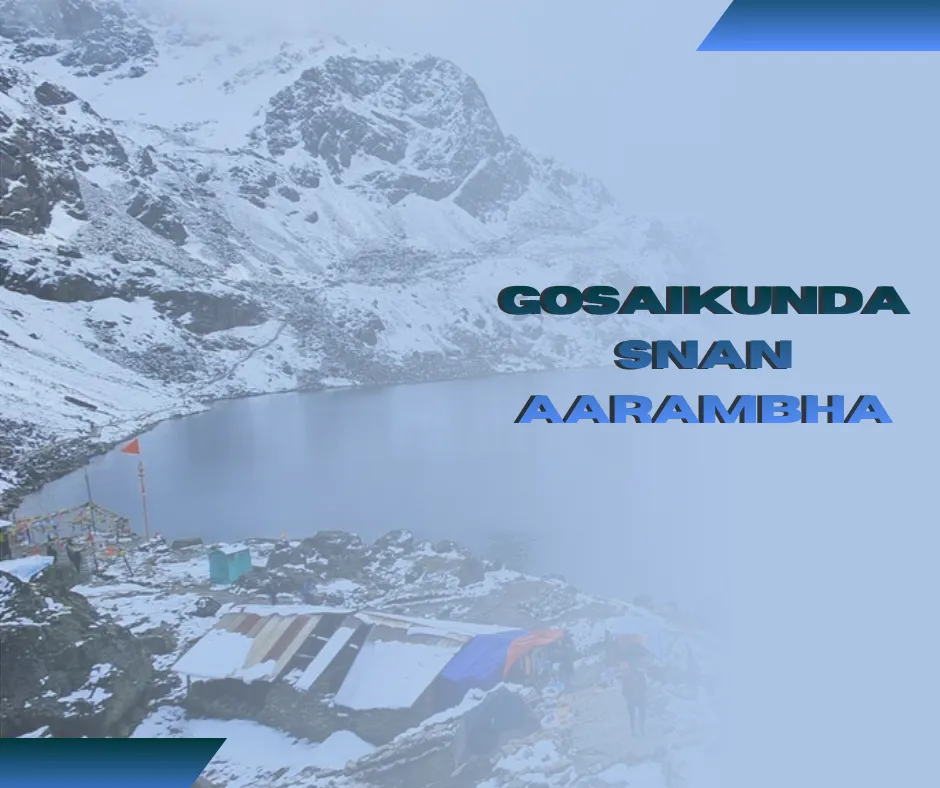
Gosaikunda Snan Aarambha marks the official beginning of the annual sacred pilgrimage and ritual bathing season at Gosaikunda Lake, one of Nepal's most hallowed high-altitude pilgrimage destinations. Coinciding with the full moon of Shravan (Janai Purnima), this opening of the pilgrimage season draws tens of thousands of devout pilgrims from across Nepal and India to the sacred lake at 4,380 meters in the Langtang National Park. The Aarambha ("commencement") marks the moment when the spiritual season opens and the faithful begin their challenging but profoundly rewarding journey to the roof of the world.
Gosaikunda Snan Aarambha marks the beginning of the pilgrimage and bathing season at Gosaikunda Lake, coinciding with Janai Purnima (August full moon). The sacred lake at 4,380 meters elevation becomes accessible during the monsoon season window and attracts 20,000-40,000 pilgrims annually. According to Hindu mythology, Lord Shiva created the lake by piercing his trident (trishul) into the Himalayan ground to obtain cool, healing water to soothe the burning sensation after consuming the cosmic poison Halahala during the Samudra Manthan. Buddhist tradition also reveres the site as a place where Guru Rinpoche (Padmasambhava) meditated, making Gosaikunda sacred to both major traditions of the region. The bathing season opens in August when monsoon conditions allow access to the high-altitude lake.
This sacred opening is observed to:
Formally initiate the annual sacred pilgrimage season at Gosaikunda Lake with opening prayers and rituals.
Begin the ritual bathing activities in the purifying, Shiva-created waters of Gosaikunda.
Welcome pilgrims from across Nepal and India to participate in one of the Himalayas' most powerful spiritual experiences.
Mark the commencement of Janai Purnima pilgrimage festivities at this extraordinary high-altitude sacred site.
The opening of the pilgrimage season is marked through sacred rituals and spiritual activities:
First pilgrims begin trekking to Gosaikunda Lake days before Purnima, enduring the challenging high-altitude trail.
Opening prayers, mantras, and ritual blessings are performed at the sacred lake by resident priests and first pilgrims.
Ritual bathing ceremonies commence at the lake's edge on the auspicious Purnima morning.
Pilgrims from Nepal and India gather at the lakeside for sacred bathing, prayers, and offerings to Lord Shiva.
Pilgrimage facilities, temporary shelters, and accommodation are prepared to welcome the tens of thousands of arriving devotees.
This seasonal opening carries deep spiritual and cultural significance:
It marks the opening of one of Nepal's most significant pilgrimage destinations for the entire annual season.
Hundreds of thousands of pilgrims participate in the pilgrimage annually, making it a major national spiritual event.
It represents a profound spiritual renewal opportunity, pilgrims endure physical hardship to reach a place of divine grace.
It maintains ancient pilgrimage traditions and the living sacred relationship between devotees and Himalayan sacred geography.
It reflects the seasonal cycles and environmental rhythms that are central to Himalayan sacred practices.
Gosaikunda Snan Aarambha is the moment the gates of the Himalayas open to the faithful. As pilgrims begin their ascent to the sacred lake, past forests, glaciers, and alpine meadows, they carry the prayers of their families and communities. To bathe in Gosaikunda's icy waters on Janai Purnima is to touch the very place where Lord Shiva's trident struck the earth and a sacred lake was born. The beginning of this pilgrimage season is not just a seasonal opening, it is an invitation to the divine.