
World Day Against Child Labour is celebrated on June 12th. This day focuses on eliminating child labor worldwide. It raises awareness about child exploitation and protection. Approximately 160 million children work instead of attending school.
| Date | 12 June |
| Duration | One day |
| Celebrated In | Countries worldwide |
| Observing Communities | Child rights groups, governments, NGOs |
| Type of Event | International / Awareness |
| Purpose of Event | To highlight the issue of child labour and promote efforts to eliminate it |
| First Observed In | 2002 |
| Holiday Status | No holiday is provided |
Child Labour Day is observed by organizations globally. Governments, schools, and communities participate actively worldwide. Over 187 countries recognize this important awareness day. Millions of people work to protect vulnerable children.
Organizations Launch Major Awareness and Protection Campaigns:
International organizations coordinate global awareness initiatives
NGOs organize marches and rallies against child labor
Governments announce new child protection policies
Media outlets cover child labor issues extensively
Educational campaigns target schools and communities nationwide
Communities Host Educational Events About Child Rights:
Schools teach students about child labor and exploitation
Community forums discuss protection strategies and solutions
Public speeches emphasize child rights and safety importance
Documentary screenings raise awareness about child exploitation
Educational workshops train adults to identify abuse signs
Governments Strengthen Child Protection and Enforcement:
Labor departments launch inspection initiatives
Law enforcement targets trafficking and exploitation networks
Courts prosecute child labor trafficking offenders
Social services expand support for affected children
Government agencies coordinate child protection strategies
Activists and Advocates Highlight Child Labor Realities:
Survivor testimonies share powerful personal stories
Advocates present research on child labor impacts
International organizations release updated statistics annually
Media features investigative journalism on child labor
Social media campaigns reach millions of people globally
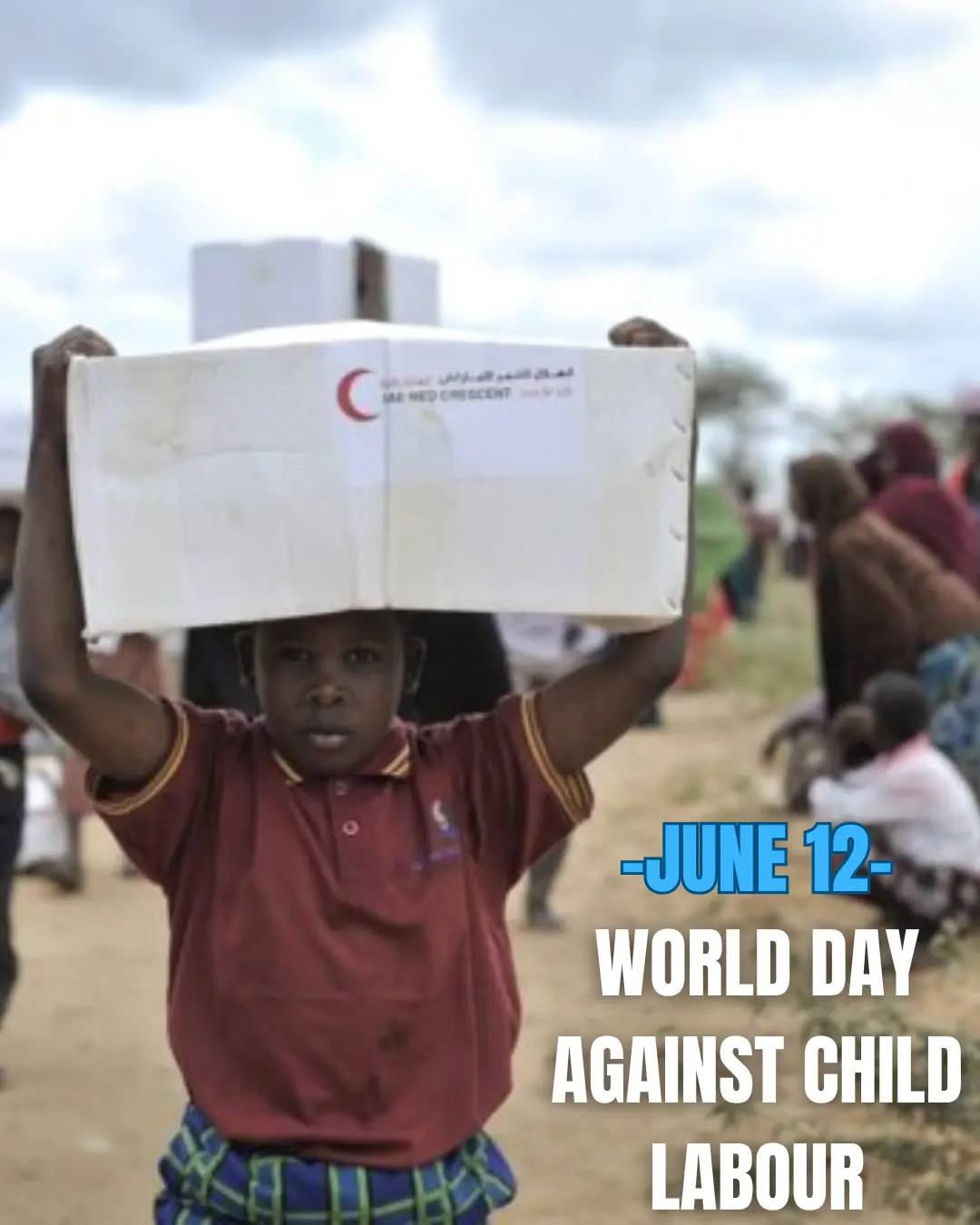
Child Labour Day honors ongoing advocacy for children's rights. The International Labour Organization established this observance. June 12 commemorates important child protection declarations. This day recognizes the ongoing struggle against exploitation.
Important Historical Milestones in Child Protection:
Ancient societies sometimes accepted child labor practices. Industrial revolution created extreme child labor conditions. Child labor reform movements began in nineteenth century. Early laws limited working hours for child workers. International child protection conventions developed in twentieth century. United Nations established child rights frameworks officially. Modern conventions banned worst forms of child labor. Current efforts focus on comprehensive child protection systems. Legal standards continue improving globally over time. Future progress depends on enforcement and investment.
Timeline of Child Labour Prevention and Protection:
1919: International Labour Organization founded officially
1973: ILO adopts Minimum Age Convention
1989: UN Convention on Rights of the Child adopted
1999: ILO adopts Worst Forms of Child Labour Convention
2002: ILO proclaims June 12 as awareness day
2003: First official global child labour awareness celebration
2010s: Corporate supply chain audits increase significantly
2020: COVID-19 increases child labor vulnerability risks
2023: Enhanced enforcement and protection mechanisms
Evolution Over Time:
Early societies normalized child labor in agriculture. Industrial factories intensified exploitation and danger. Child labor reform movements fought for protection. Legal protections started limiting working hours gradually. International agreements established minimum age standards. Modern conventions focus on worst labor forms. Supply chain transparency has increased corporate accountability. Enforcement mechanisms have improved considerably worldwide. Education access has reduced child labor significantly. Future progress requires sustained commitment and investment. Technology now enables better monitoring of workplace conditions.
Child Labour Day educates about protecting vulnerable children. This day teaches about child rights and dignity. Public awareness strengthens communities' ability to protect. Recognition of child worth promotes societal change.
Education Is The Most Effective Child Labor Prevention:
School enrollment removes children from labor situations
Education provides pathways out of poverty
Learning skills enable future economic independence
Educated children become advocates for protection
Education breaks intergenerational poverty cycles effectively
Child Labor Prevention Reduces Poverty and Inequality:
Removing children from labor increases family income
Education enables better paying employment later
Development improves in communities protecting children
Economic growth follows child protection investments
Poverty reduction strengthens entire societies gradually
Protecting Children Builds Stronger and Healthier Communities:
Healthy children become productive community members
Children's wellbeing strengthens family functioning
Community stability improves with child protection
Youth development creates future leaders and innovators
Societal progress depends on protecting children
Career Opportunities in Child Protection Services:
Child protection specialists build important careers
Social workers advocate for vulnerable children
Teachers identify and report exploitation cases
Law enforcement specializes in trafficking investigations
Counselors support trauma recovery for survivors
Do's:
Support organizations protecting children from exploitation
Educate yourself about child labor warning signs
Report suspected child labor to authorities
Choose fair-trade and ethical product options
Teach children about their rights and protections
Participate in awareness events and campaigns
Don'ts:
Don't buy products made with child labor
Don't ignore suspected child exploitation or abuse
Don't blame children for their circumstances
Don't support companies with poor labor practices
Don't spread misinformation about child protection
Don't forget about vulnerable working children
Understanding child labor helps protect vulnerable children. Statistics reveal the scope of this crisis. These facts demonstrate why action is critical.
Approximately 160 million children work globally
About 79 million children do hazardous work
Sub-Saharan Africa has 90 million working children
Asia-Pacific region has 114 million working children
41% of child laborers aged 5 to 11 years
Agriculture accounts for 40% of child labor
World Day Against Child Labour protects vulnerable children. This day honors children's rights and dignity. Protection strengthens communities and enables development. Recognition of child worth promotes change. Education removes children from dangerous labor. Supporting protection systems helps millions of children. Every child deserves safety and education. Communities benefit from protecting childhood. Together, we can eliminate child labor. Let us commit to protecting all children forever.