
| Date | Jestha Trayodashi / 13th day (approximately mid-June) |
| Duration | Single day |
| Observance | Newar cultural observance |
| Celebrated in | Newar communities of the Kathmandu Valley |
| Observing Communities | Newar community |
| Type of Event | Traditional Newar cultural and seasonal observance |
| Purpose of Event | Maintain Newar cultural identity, celebrate seasonal transitions, foster community bonds, and preserve traditional knowledge. |
| Holiday Status | Cultural observance (not an official public holiday) |
| First Observed in | Ancient Newar cultural tradition |
Quick Fact: Sithi Cha: Hre is a unique Newar observance that reflects the richness of the Newar cultural calendar, a calendar that weaves seasonal, agricultural, religious, and community rhythms into a continuous cycle of celebration. The Newar people of the Kathmandu Valley have one of the densest festival calendars of any community in the world, with celebrations marking every phase of the lunar month and every seasonal transition.
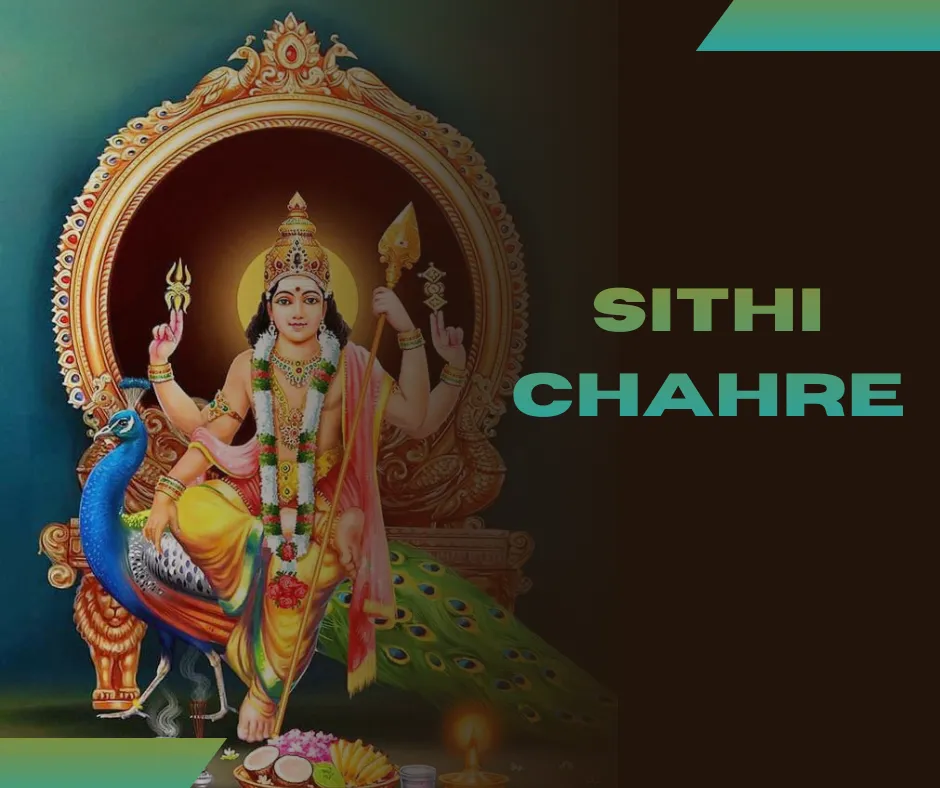
Sithi Cha: Hre (सिथि चःह्रे) is a traditional Newar cultural observance occurring during the Jestha month of the Nepali calendar. Rooted in the ancient oral traditions and local festival calendar of the Newar community of the Kathmandu Valley, this observance reflects the deep seasonal awareness embedded in Newar cultural practice. Connected to the broader Sithi seasonal cycle and occurring around the Trayodashi (13th lunar day) of Jestha, it represents a community gathering that honors seasonal transitions and reinforces the bonds of Newar cultural identity through shared ritual and celebration.
Sithi Cha: Hre is a Newar cultural observance occurring on the 13th day (Trayodashi) during the Jestha month. This observance is primarily documented within Newar oral traditions and local Nepali calendars rather than widespread written sources, reflecting its deep community-embedded nature. The festival appears connected to the Sithi seasonal cycle, a period of water-related observances, community cleaning activities, and pre-monsoon preparations that culminate in Sithi Nakha (Kumar Shashthi). Newar communities of the Kathmandu Valley maintain extraordinarily rich cultural traditions spanning centuries, with many observances tied to seasonal cycles, agricultural rhythms, religious practices, and community gatherings that define the Newar way of life.
This observance is held to:
Maintain Newar cultural traditions, community identity, and the continuity of ancient festival practices.
Celebrate important seasonal transitions tied to the Jestha month and the approach of the monsoon.
Foster deep community bonds and collective participation in shared cultural activities.
Preserve traditional indigenous knowledge and cultural practices for future generations of the Newar community.
The observance is marked through community-centered activities:
Community gatherings and local celebrations bringing Newar families and neighborhoods together.
Traditional cultural activities, music, and performances reflecting Newar artistic heritage.
Preparation and sharing of traditional Newar foods as part of seasonal and communal celebration.
Family participation in seasonal observances marking the transition toward the monsoon period.
Transmission of cultural knowledge, stories, and traditions from elders to younger generations.
This Newar observance carries meaningful cultural significance:
It preserves the unique and irreplaceable Newar cultural heritage that has defined the Kathmandu Valley for millennia.
It maintains the Newar community's profound connection to ancient seasonal cycles and agricultural rhythms.
It strengthens community identity, social solidarity, and the bonds between Newar families and neighborhoods.
It represents one aspect of the indigenous knowledge systems of the Newar people of Nepal.
It contributes to Nepal's extraordinary cultural diversity as one of the world's most festival-rich nations.
Sithi Cha: Hre is a quiet but meaningful thread in the vast tapestry of Newar cultural life. While it may not attract the large crowds of more widely documented festivals, it represents something equally valuable, the living continuity of a community's relationship with time, season, and each other. Each time this observance is honored, the Newar community affirms its identity and ensures that its ancient wisdom is passed on to the generations who will carry it forward.