
| Date | Jestha 21 BS (June 3) |
| Duration | Single day national observance |
| Observance | National commemorative day |
| Celebrated in | All 75 districts of Nepal under coordination of Chief District Officers |
| Observing Communities | Government, civil society organizations, human rights bodies, and general public |
| Type of Event | Anti-discrimination and social justice national day |
| Purpose of Event | Raise awareness against caste discrimination and untouchability, promote equality, and honor Nepal's historic declaration as an untouchability-free nation. |
| Holiday Status | Observed nationally across all 75 districts |
| First Observed in | 2063 BS (June 4, 2006 AD) — Nepal's historic declaration as untouchability-free nation |
Quick Fact: On Jestha 21, 2063 BS (June 4, 2006 AD), Nepal made a historic declaration, becoming an untouchability-free nation. This landmark moment came after decades of social activism and constitutional reform. The Caste-Based Discrimination and Untouchability (Offence and Punishment) Act 2011 later reinforced this commitment, making caste discrimination a criminal offense punishable under Nepali law.
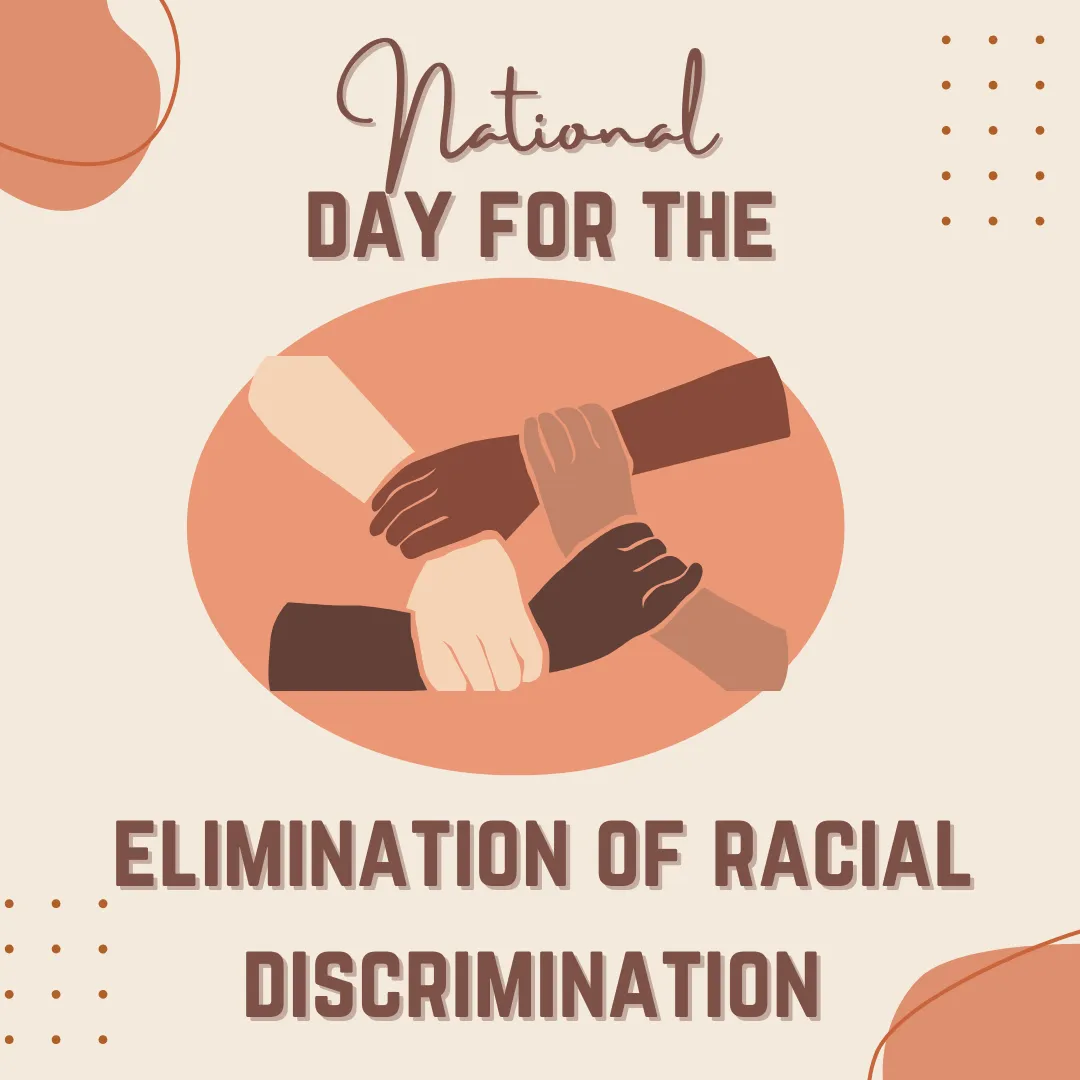
The National Day for the Elimination of Racial Discrimination and Untouchability is observed across Nepal every year on Jestha 21 of the Bikram Sambat calendar. This important national day commemorates Nepal's historic 2006 declaration as an untouchability-free nation and serves as an annual reminder of the nation's constitutional commitment to equality, human dignity, and the complete eradication of caste-based discrimination. The day is celebrated across all 75 districts with awareness programs, educational initiatives, and public gatherings dedicated to building an inclusive, just Nepal.
Nepal declared itself a caste discrimination and untouchability-free nation on Jestha 21, 2063 BS (June 4, 2006 AD), a historic and transformative moment in Nepali social history. This declaration came after decades of advocacy by Dalit rights organizations, civil society, and human rights activists who documented the devastating impact of caste discrimination on millions of Nepalis. The National Day for the Elimination of Racial Discrimination and Untouchability commemorates this watershed declaration and is observed across all 75 districts under the coordination of Chief District Officers and local government bodies. The Caste-Based Discrimination and Untouchability (Offence and Punishment) Act of 2011 (2068 BS) further reinforced this commitment by making caste discrimination a legally punishable criminal offense in Nepal.
This day is observed to:
Commemorate Nepal's historic declaration as an untouchability-free nation and celebrate this constitutional milestone.
Raise awareness about the harmful, wide-ranging effects of caste discrimination on individuals and communities.
Promote equality, human dignity, and constitutional rights across all communities and social groups.
Inspire sustained social action toward the permanent elimination of discriminatory practices rooted in caste.
Programs and events are organized across Nepal to mark this day:
Government proclamations and official ceremonies organized across all 75 districts under Chief District Officers.
Awareness campaigns and educational programs conducted in schools, colleges, and community centers.
Discussion forums, seminars, and panel discussions on caste discrimination and the path to social equality.
Government resources dedicated to anti-discrimination initiatives and Dalit rights protection programs.
Public gatherings, rallies, and community events promoting social justice, inclusion, and human dignity.
This day carries profound national and social significance for Nepal:
It marks Nepal's constitutional commitment to equality and non-discrimination as foundational national values.
It addresses a serious and deep-rooted social problem that has affected millions of Nepalis across generations.
It promotes the constitutional values of human rights, dignity, and equality guaranteed to every citizen.
It strengthens democratic governance through increased social awareness and accountability.
It inspires continuous, coordinated work toward creating a truly inclusive and just Nepali society.
The National Day for the Elimination of Racial Discrimination and Untouchability is more than a commemoration, it is a renewed annual pledge. It calls on every Nepali citizen, institution, and community to actively reject discrimination, protect the dignity of every person regardless of caste or background, and work together to build a nation where the promise of equality is lived as a daily reality. The journey from declaration to full realization requires the commitment of every generation.