
| Date | Bhadra month, approximately September (Shravan-Bhadra transition) |
| Duration | Marks conclusion of pilgrimage bathing season |
| Observance | Pilgrimage season conclusion observance |
| Celebrated in | Gosaikunda Lake, Langtang region, Nepal (4,380 m elevation) |
| Observing Communities | Hindu pilgrims, Buddhist practitioners, trekkers |
| Type of Event | Sacred pilgrimage site seasonal observance |
| Purpose of Event | Mark the conclusion of the annual sacred bathing pilgrimage season at Gosaikunda Lake before monsoon intensifies. |
| Holiday Status | Not an official public holiday |
| First Observed in | Ancient period (mythology-based, associated with Lord Shiva and Guru Rinpoche) |
Quick Fact: Gosaikunda Lake sits at an elevation of 4,380 meters in the Langtang National Park, making it one of the highest sacred lakes in the world. According to Hindu mythology, Lord Shiva himself created the lake by piercing his trident into the Himalayan earth to obtain cooling water after consuming the cosmic poison Halahala. Buddhist tradition associates the site with the meditation of Guru Rinpoche (Padmasambhava) approximately 600 years ago.
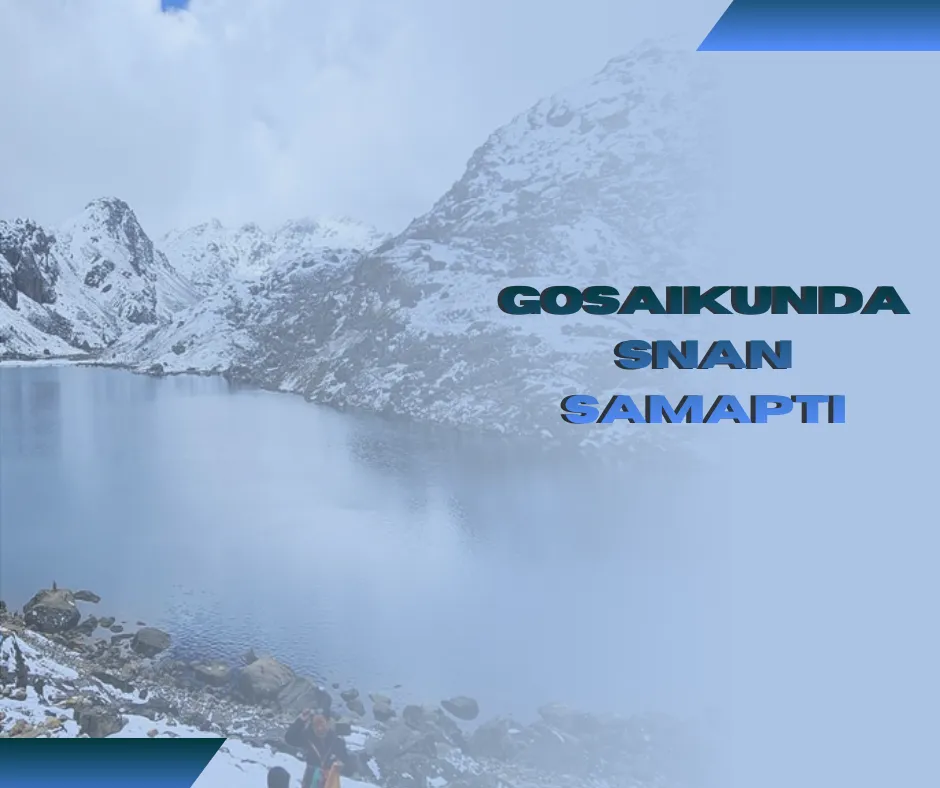
Gosaikunda Snan Samapti marks the conclusion of the annual sacred bathing pilgrimage season at Gosaikunda Lake, one of Nepal's holiest high-altitude pilgrim destinations. Located at 4,380 meters in the Langtang region, Gosaikunda attracts tens of thousands of pilgrims each year during the monsoon season. As the pilgrimage season initiated at Janai Purnima (August) draws to its natural close with changing weather and mountain conditions, Samapti marks this seasonal transition with final prayers, closing rituals, and gratitude offerings to the sacred lake.
Gosaikunda Lake is believed to have been created by Lord Shiva, who pierced his trident into the Himalayan ground to obtain cool, soothing water after consuming the lethal cosmic poison Halahala during the Samudra Manthan (churning of the cosmic ocean). The word "Gosaikunda" comes from "Gosainkunda" meaning "lake of the Lord." Hindu tradition associates the lake deeply with Lord Shiva and Goddess Gauri, while Buddhist tradition connects it to Guru Rinpoche (Padmasambhava) who meditated near the lake approximately 600 years ago. The bathing pilgrimage season begins with Janai Purnima (August) and concludes as monsoon rains intensify and Himalayan trails become hazardous. Samapti ("conclusion" or "completion") marks this seasonal close with reverence and gratitude.
This observance is held to:
Mark the seasonal conclusion of the sacred bathing pilgrimage season in a spiritually honored manner.
Acknowledge the transition from the Shravan to Bhadra month and the changing Himalayan season.
Prepare pilgrims for the post-monsoon period with final prayers and offerings at the sacred lake.
Celebrate the successful completion of the ritual bathing season in Gosaikunda's sacred waters.
The conclusion of the pilgrimage season is observed through final sacred rituals:
Final bathing rituals are performed in the cold, sacred waters of Gosaikunda Lake.
Closing ceremonies are conducted by resident priests and departing pilgrims with prayers and mantras.
Offerings of flowers, incense, and lamps are made to the lake's deities as expressions of gratitude.
Pilgrims begin their gradual descent as weather conditions shift and mountain trails become less accessible.
The completion of the pilgrimage journey is acknowledged with prayers for a safe return and continued blessings.
This seasonal observance carries meaningful spiritual and cultural significance:
It marks the conclusion of one of Nepal's major annual pilgrimage seasons at a world-renowned sacred site.
Hundreds of pilgrims participate in closing rituals, completing their spiritual journey with reverence.
It reflects the seasonal cycles intrinsic to Himalayan sacred geography and mountain pilgrimage traditions.
It maintains ancient pilgrimage traditions and the living bond between devotees and sacred Himalayan sites.
It balances spiritual observance with environmental awareness and respect for Himalayan weather conditions.
Gosaikunda Snan Samapti is a reminder that even the most sacred of places belong to the rhythms of nature. As the monsoon clouds thicken and mountain paths grow difficult, pilgrims offer their final prayers at Gosaikunda's shores and descend with hearts full of grace. The conclusion of the bathing season is not an ending but a completion, the sacred cycle will begin again with the next Janai Purnima, and Gosaikunda will once more welcome the faithful at the roof of the world.