
Date: May 29 (Jestha )
Also Known As: International Everest Day
First Observed: 2008
| Detail | Info |
|---|---|
| Date | May 29 every year |
| First Summit | May 29, 1953 |
| First Summiteers | Sir Edmund Hillary (New Zealand) & Tenzing Norgay Sherpa (Nepal) |
| Expedition Leader | Colonel John Hunt (British Expedition) |
| Summit Time | May 29, 1953 |
| Height of Everest | 8,848.86 m (29,031.7 ft) above sea level |
| Nepali Name | Sagarmatha (Mount Everest) |
| Tibetan Name | Chomolungma |
| Day Officially Declared | 2008, by the Government of Nepal |
| Location | Nepal–Tibet (China) border |
International Everest Day is observed every year on May 29 to commemorate the historic first successful ascent of Mount Everest by Sir Edmund Hillary of New Zealand and Tenzing Norgay Sherpa of Nepal in 1953. Known as Sagarmatha Diwas in Nepal, this day stands as a celebration of human courage, national pride, Sherpa heritage, and the enduring spirit of adventure.
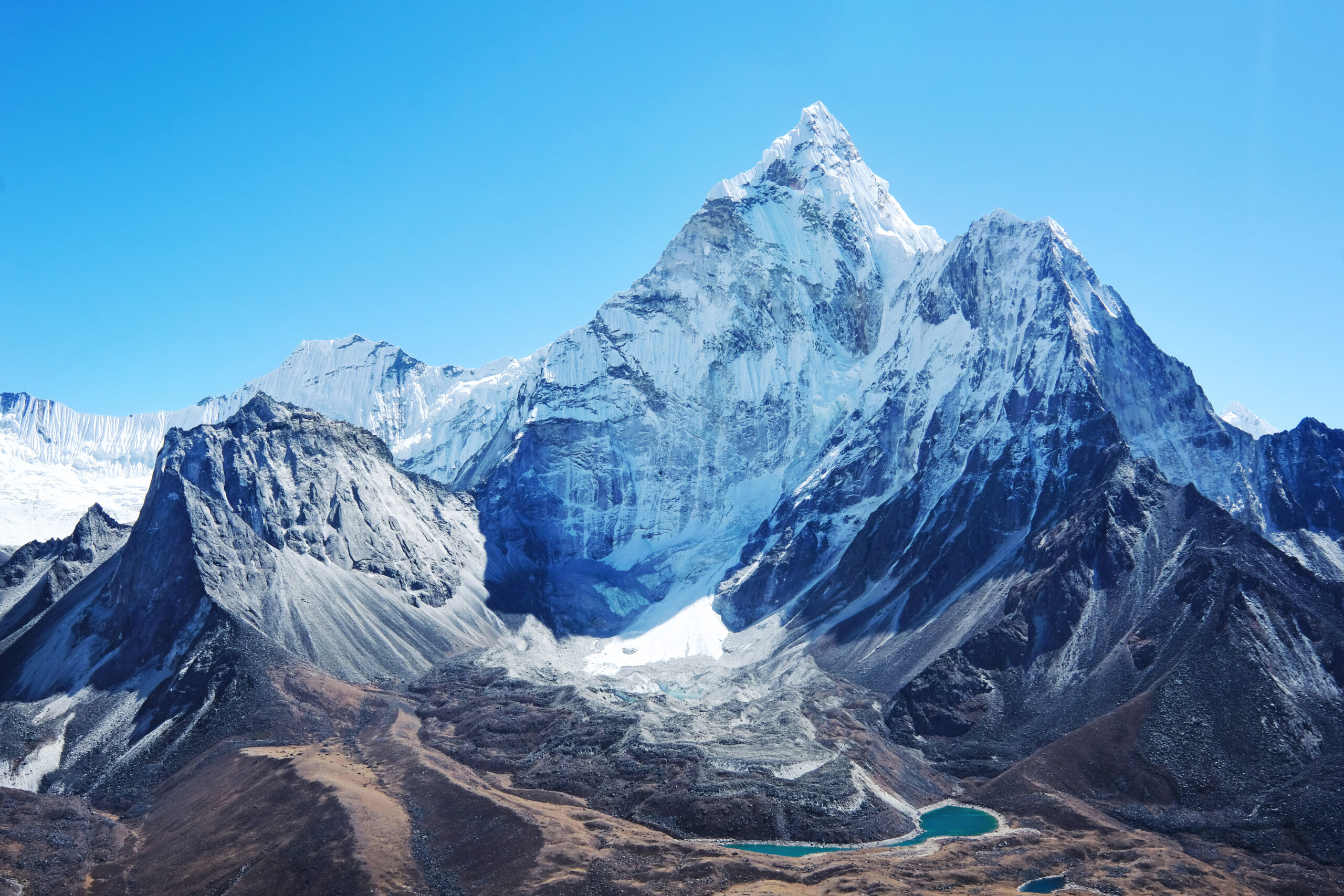
On May 29, 1953, Edmund Hillary of New Zealand and Tenzing Norgay, a Sherpa of Nepal, became the first known explorers to reach the summit of Mount Everest, which at 29,035 feet above sea level is the highest point on Earth.
The two were part of a British expedition and made their final assault on the summit after spending a fitful night at 27,900 feet. The expedition was led by Colonel John Hunt. By today's standards, the 1953 British expedition was massive in scale: 350 porters, 20 Sherpas, and tons of supplies to support a vanguard of only ten climbers.
After a pair of climbers failed to reach the top on May 27, Hillary and Tenzing set out early on May 29; by late morning, they were standing on the summit. The two shook hands, then Tenzing embraced his partner.
News of their achievement broke around the world on June 2, 1953, the day of Queen Elizabeth II's coronation. Both Hillary and Hunt were knighted, and Tenzing was awarded the George Medal.
In 2008, the Government of Nepal declared May 29 as International Everest Day following Sir Edmund Hillary's death. The day was a way to acknowledge not only the first ascent, but also Sir Edmund Hillary's ongoing humanitarian work, including the Himalayan Trust, intended to improve the lives of Himalayan communities.
Since 2008, Nepal has formally observed May 29 as International Everest Day, not only to honour the legacy of the first summiteers but also to promote tourism, mountaineering, and environmental conservation in the Himalayan region.
Mount Everest, known as Sagarmatha in Nepali, is the highest mountain in the world, towering at 8,848.86 meters above sea level. The mountain sits on the crest of the Great Himalayas in Asia, lying on the border between Nepal and Tibet. Called Chomo-Lungma, or "Mother Goddess of the Land," by the Tibetans, it was named in English after Sir George Everest, a 19th-century British surveyor of South Asia.
For the local Sherpa of Nepal and the Tibetan community, Mount Everest is much more than a mountain it is sacred. Referred to as Sagarmatha in Nepal and Chomolungma in Tibet, the peak is viewed as a goddess of the sky and is culturally important as a spiritual representation of the world.
1. Honoring the Sherpa Community Sagarmatha Diwas serves to honor the Sherpa community and other indigenous people who have lived in the Himalayan region for centuries and have played a vital role in mountaineering expeditions.
2. Environmental Awareness The day promotes ecological awareness, emphasizing the need for protecting the fragile Himalayan environment, which is increasingly vulnerable to global warming and mass tourism.
3. Celebrating the Spirit of Adventure International Everest Day also celebrates the collaborative spirit of climbing expeditions: logistics teams, high-altitude porters, medical staff, and local guides who collectively make summits possible. It reminds us that every ascent builds on decades of shared knowledge and mutual respect.
4. Tourism and National Pride Sagarmatha Day is a celebration of Nepal's role in the international climbing community. It brings tourists to Nepal and connects everyone to the consideration, obligation, and responsibility for climbing mountains at incredible altitudes.
In Nepal, especially in Kathmandu and the Everest region, the day is marked with processions, memorial events, and cultural programs that honor the achievements of past and present climbers.
Everest Day ceremonies at Tengboche and other monasteries blend Buddhist rituals with traditional Sherpa blessings, underscoring the mountain's spiritual importance.
Adventure enthusiasts participate in trekking, hiking, and climbing events to mark the occasion. One of the most famous events is the Everest Marathon, held annually on May 29, starting from Everest Base Camp.
Events are attended by government leaders, local communities, mountaineers, and tourists.