
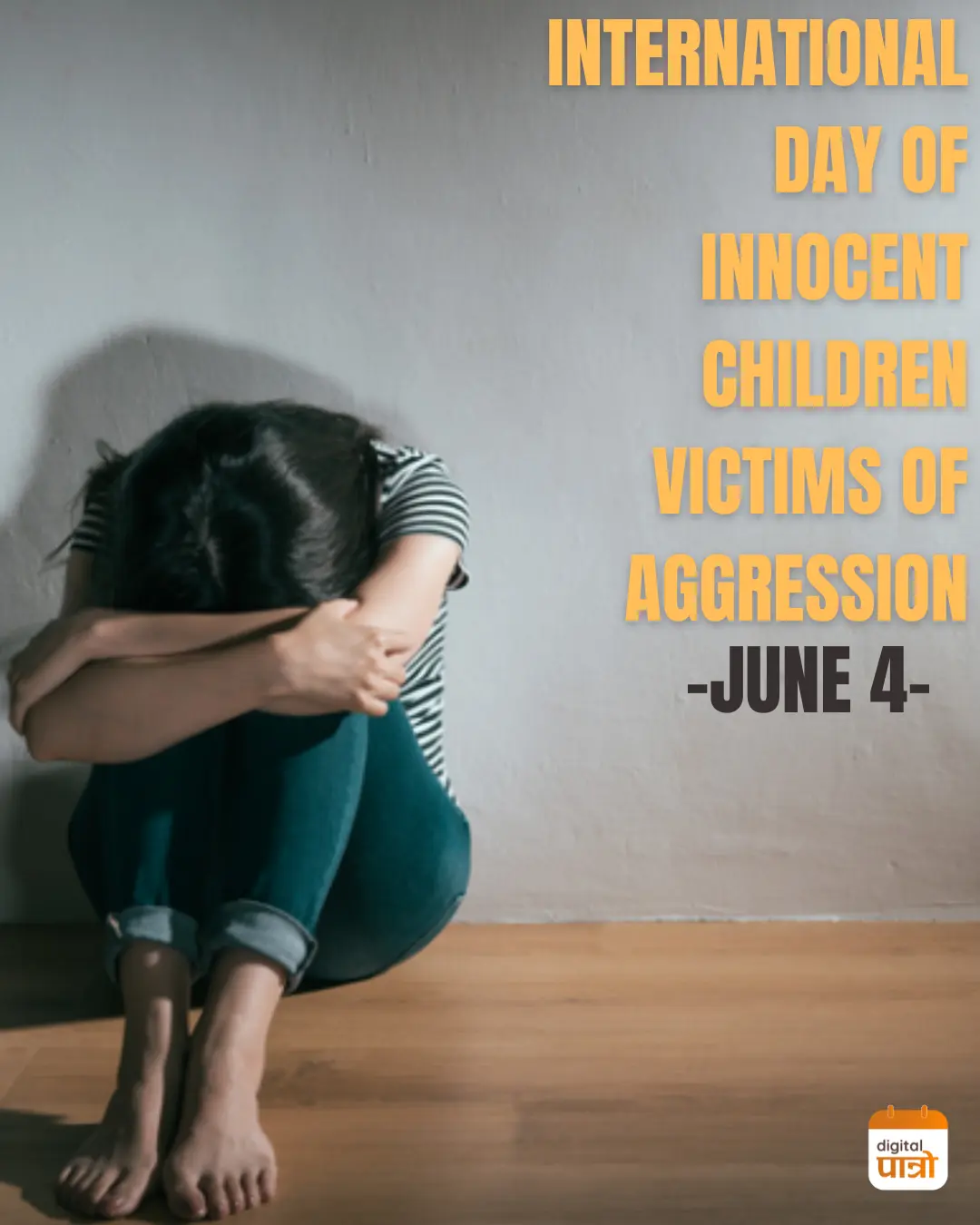
International Day of Innocent Children Victims of Aggression occurs on June 4th. This day honors children harmed by conflict and aggression. It raises awareness about violence against vulnerable children. Approximately 426 million children live in conflict zones.
| Date | 4 June |
| Duration | One day |
| Celebrated In | Countries worldwide |
| Observing Communities | Human rights organizations, child protection groups |
| Type of Event | International Human Rights Awareness |
| Purpose of Event | To acknowledge the suffering of children affected by war and aggression |
| First Observed In | 1983 |
| Holiday Status | No holiday is provided |
Child Victims Day is observed by protection organizations globally. UN agencies and NGOs coordinate awareness campaigns worldwide. Over 150 countries recognize this important humanitarian day. Millions of people work to protect vulnerable children.
International Organizations Coordinate Global Protection Efforts:
UNICEF leads international child protection initiatives
Human rights organizations raise awareness about violence
UN agencies mobilize resources for affected children
Peace organizations promote conflict prevention and resolution
Child advocacy groups share survivor stories publicly
Communities Honor Child Victims and Survivors:
Vigils and remembrance ceremonies honor victims
Educational events teach about child protection
Art exhibitions showcase children's resilience and healing
Memorial sites acknowledge historical violations
Community gatherings support affected families
Governments Strengthen Child Protection Mechanisms:
Legal frameworks establish stronger protection standards
Law enforcement targets child abuse and trafficking
Social services expand support for vulnerable children
Schools implement child safety protocols
Healthcare systems develop trauma support services
Media and Digital Platforms Amplify Child Protection Messages:
Documentaries expose violence against children
Social media campaigns reach millions globally
News outlets cover child protection issues
Hashtags highlight child abuse prevention
Online platforms share educational resources
Child Victims Day commemorates children harmed by aggression. The UN officially established this observance in 1986. June 4 was chosen to honor specific bombing victims. This day recognizes the ongoing vulnerability of children in conflicts.
Important Historical Milestones in Child Protection:
Ancient conflicts often deliberately harmed civilian children. Modern warfare increasingly affects innocent populations. Child abuse documentation began in the twentieth century. International child protection standards developed gradually. War crimes legislation expanded to include child harm. Modern conflicts create millions of child victims. Humanitarian organizations struggle to protect children. Legal mechanisms for accountability continue evolving. Current efforts focus on prevention and healing. The future requires stronger international protections.
Timeline of Child Protection and Advocacy Development:
1986: UN General Assembly proclaims June 4 observance
1989: UN Convention on the Rights of the Child adopted
1990s: Post-Cold War conflicts increase child victim focus
2000: Optional Protocol on children in armed conflict
2005: The UN Millennium Development Goals emphasized protection
2010: International Criminal Court prosecutes child harm
2015: Sustainable Development Goals prioritized child safety
2020: COVID-19 increases child vulnerability concerns
2023: Enhanced protection mechanisms continue to develop
Evolution Over Time:
Early conflicts affected civilian populations indiscriminately. Twentieth century conflicts deliberately targeted civilians. International law began recognizing children's special needs. Protection standards evolved through gradual advocacy. Current protocols recognize child-specific trauma needs. Rehabilitation services now address psychological impacts. Education continuity became recognized as crucial. Family reunification programs help separated children. Community healing initiatives support recovery processes. Legal accountability for child harm is increasing. Future protection requires sustained commitment and investment.
Child Victims Day educates about protecting vulnerable children. This day builds awareness of the impact of violence. Public consciousness strengthens protection mechanisms. Recognition of child rights promotes change.
Education About Violence Creates Awareness and Prevention:
Training teaches adults to recognize abuse signs
School programs teach children about personal safety
Healthcare workers learn how to help trauma victims
Law enforcement develops specialized investigation skills
Community education builds a protection culture
Child Protection Creates Safer Communities for Everyone:
Violence prevention benefits all community members
Safe environments enable children to develop normally
Community support strengthens healing and recovery
Accountability deters future abuses effectively
Protective systems benefit vulnerable populations
Healing and Recovery Support Rebuilds Children's Lives:
Trauma counseling helps children process experiences
Education continuity maintains developmental progress
Family support strengthens emotional healing
Community integration reduces ongoing isolation
Mental health services address psychological impacts
Career Development in Child Protection Services:
Child psychologists specialize in trauma treatment
Social workers advocate for child protection
Humanitarian workers provide emergency assistance
Teachers identify and report abuse cases
Law enforcement specialists investigate child crimes
Do's:
Support organizations protecting children in conflicts
Educate yourself about child abuse warning signs
Advocate for stronger child protection laws
Report suspected abuse to authorities immediately
Support trauma recovery and rehabilitation programs
Share information about child protection resources
Don'ts:
Don't ignore signs of abuse or neglect
Don't blame children for their circumstances
Don't exploit children's stories for profit
Don't minimize impacts of violence on children
Don't overlook vulnerable child populations
Don't spread graphic images harming dignity
Understanding child vulnerability helps drive protection. Statistics reveal the scope of this crisis. These facts demonstrate why urgent action matters.
Approximately 426 million children live in conflicts
Millions of children are displaced from their homes
Psychological trauma affects millions of children
Educational disruption impacts entire generations
40+ million children are internally displaced globally
Family separation creates lasting psychological damage
Healthcare access is severely limited for children
International Day of Innocent Children Victims of Aggression honors vulnerable children. This day recognizes suffering and promotes protection. Education strengthens global child protection commitment. Recognition of child rights drives policy change. Supporting affected children enables recovery and healing. Together, we can protect vulnerable children. Every child deserves safety and dignity. Communities benefit from protecting all children. Supporting healing services helps recovery processes. Let us commit to protecting children globally forever.