
Quick Reference Card
| Date | Kartik 21, BS 2083 (November 7, 2026) |
| Duration | 1 day (first day of Tihar) |
| Observance | Animal Worship Ritual |
| Celebrated in | Nationwide in Nepal |
| Observing Communities | Hindu, Newari, and general Nepali population |
| Type of Event | Bird/Animal Worship Festival |
| Purpose of Event | To worship crows as sacred messengers of ancestors and Yama, seek protection from calamities, and open the Tihar festival by establishing harmony with nature. |
| Holiday Status | Observed during Tihar Holiday period |
| First Observed in | Centuries ago in Nepali Hindu tradition |
Quick Fact: Crows are believed to be messengers of Yama, the god of death, in Hindu mythology. On Kag Tihar, the cawing of crows after receiving offerings is considered auspicious, a divine acknowledgment that ancestors have received the family's gratitude and will extend their protection for the coming year.
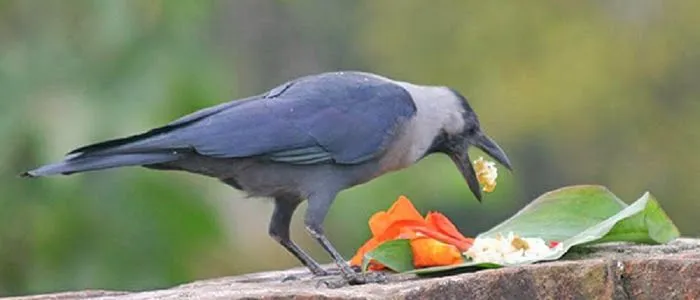
Kag Tihar, the crow festival, marks the opening day of Nepal's celebrated five-day Tihar festival. By honoring crows, birds traditionally associated with death and ill omens in many cultures. Nepal transforms fear into reverence, reflecting a sophisticated ecological spirituality that finds the sacred even in the most unexpected places.
History and Background
In Hindu mythology, crows are viewed as messengers of Yama, the god of death, and of ancestors who have departed from the material world. The cawing of crows was traditionally believed to warn of impending death or calamity, prompting families to appease these birds through offerings and ritual worship. Kag Tihar transforms this feared creature into a respected and honored being worthy of reverence. The practice dates back centuries in Nepali tradition, reflecting a sophisticated spiritual ecology that recognizes the sacred dimensions of even challenging relationships with the natural world.
Purpose of Kag Tihar
This festival is mainly observed to:
Worship crows as sacred messengers of ancestors and divine forces connecting the living with the departed.
Seek protection from calamities, death, and misfortune for the family and community in the coming year.
Establish harmony with nature by honoring all creatures regardless of prevailing cultural attitudes toward them.
Express gratitude to crows for their role in cosmic order and their service as ancestral communicators.
How is Kag Tihar Observed?
This festival is observed through simple yet meaningful morning rituals:
Rooftop Offerings: Food, sweets, rice, and fruits are placed on rooftops before sunrise as offerings for visiting crows.
Sacred Sounds: The cawing of crows responding to the offerings is considered an auspicious omen for the family.
Morning Ritual: Offerings are typically made in the early morning as the day's first act of devotion.
Family Participation: All family members contribute to and witness the morning ritual together.
Gratitude Expression: Families express appreciation for crows' presence and role as divine messengers and protectors.
Importance of Kag Tihar
This festival is important for several reasons:
It demonstrates Nepal's unique spiritual respect for all living beings, including those typically feared in other cultures.
It represents ecological consciousness and a deep appreciation for birds' roles in natural and spiritual systems.
It upholds the spiritual principle that all creatures have divine significance, purpose, and a right to reverence.
It opens the Tihar festival with a ritual that sets the tone of inclusivity and reverence for all upcoming celebrations.
It reflects Hindu philosophy of universal interconnectedness and the sacred respect owed to all life forms.
Conclusion
Kag Tihar invites us to reconsider what is worthy of reverence, asking us to honor even those creatures we fear or overlook. In opening Tihar with an offering to crows, Nepal demonstrates a spiritual wisdom that encompasses all of creation, setting a profoundly inclusive tone for the entire festival season.