
Quick Reference Card
| Date | Kartik 9, 2083 (October 26, 2026) |
| Duration | Month-long practice; most auspicious on Purnima |
| Observance | Ritual Bathing Practice |
| Celebrated in | Nepal, India, sacred rivers, and water bodies |
| Observing Communities | Hindu and general Nepali population |
| Type of Event | Purification/Ritual Practice |
| Purpose of Event | To perform sacred ritual bathing in holy rivers during the auspicious Kartik month for spiritual purification, merit accumulation, and blessings for health and longevity. |
| Holiday Status | Religious practice, not an official public holiday |
| First Observed in | Ancient Vedic and Puranic texts; continuous practice |
Quick Fact: The Bhagavata Purana declares Kartik the most sacred month in the Hindu year, stating that even unintentional virtuous acts performed during Kartik yield exceptional spiritual benefit. A single ritual bath in a sacred river during this month is believed to cleanse sins accumulated over many lifetimes, making Kartik Snan one of the most merit-generating practices in the Hindu tradition.
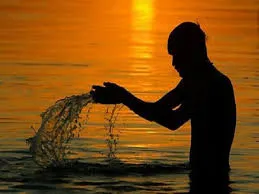
Kartik Snan refers to the devotional practice of sacred ritual bathing during the entire Kartik month, with the most auspicious bathing occurring on Kartik Purnima (the full moon day). This ancient practice connects physical purification with deep spiritual renewal, drawing pilgrims to rivers and water bodies across Nepal and South Asia.
History and Background
In Hindu cosmology, the Kartik month is considered the most spiritually charged period of the entire year, making any religious observance during this time particularly meritorious. Ancient texts like the Bhagavata Purana describe Kartik as a sacred month when even unintentional virtuous acts yield exceptional spiritual benefits and karmic rewards. The practice of daily ritual bathing during Kartik has been maintained for thousands of years across South Asia as a primary method of spiritual purification and personal renewal. Kartik Snan has been practiced continuously for millennia, with sacred rivers like the Bagmati, Kali Gandaki, and Narayani serving as focal points for pilgrimage and devotional bathing throughout this holy month.
Purpose of Kartik Snan
This practice is mainly observed to:
Perform sacred ritual bathing for comprehensive spiritual purification and deep internal cleansing.
Accumulate extraordinary spiritual merit (punya) during the uniquely auspicious Kartik month.
Seek blessings for robust health, longevity, and steady spiritual progress in dharmic life.
Honor sacred water bodies and acknowledge their purifying and life-giving spiritual properties.
How is Kartik Snan Observed?
This practice is observed through regular and disciplined devotional activity:
Early Morning Baths: Ritual bathing before sunrise in sacred rivers, ponds, or designated holy water bodies.
Mantra Chanting: Recitation of sacred mantras and hymns dedicated to Vishnu and other deities during bathing.
River Pilgrimages: Journeys to sacred rivers such as the Bagmati, Kali Gandaki, and Narayani for holy bathing.
Temple Visits: Ritual bathing is followed by worship at nearby temples and shrines to complete the devotional circuit.
Fasting and Prayer: Many devotees combine their bathing practice with fasting and extended periods of prayer and meditation.
Importance of Kartik Snan
This practice is important for several reasons:
It integrates the physical, spiritual, and environmental dimensions of Hinduism in a single unified practice.
It demonstrates profound respect for water as a sacred element in nature deserving reverence and protection.
Bathing during Kartik month yields exceptional spiritual merit according to the highest Hindu philosophical teachings.
It connects individual spiritual practice to the cyclical natural and cosmic rhythms of the universe.
It maintains important pilgrim routes, living traditions, and the cultural importance of sacred water body conservation.
Conclusion
Kartik Snan is a profound expression of the Hindu belief that the physical world and the spiritual world are intimately connected. Each morning plunge into sacred waters during this holy month is an act of faith, a renewal of the devotee's commitment to purity of body, mind, and spirit, and a gratitude offering to the rivers that sustain all life.