
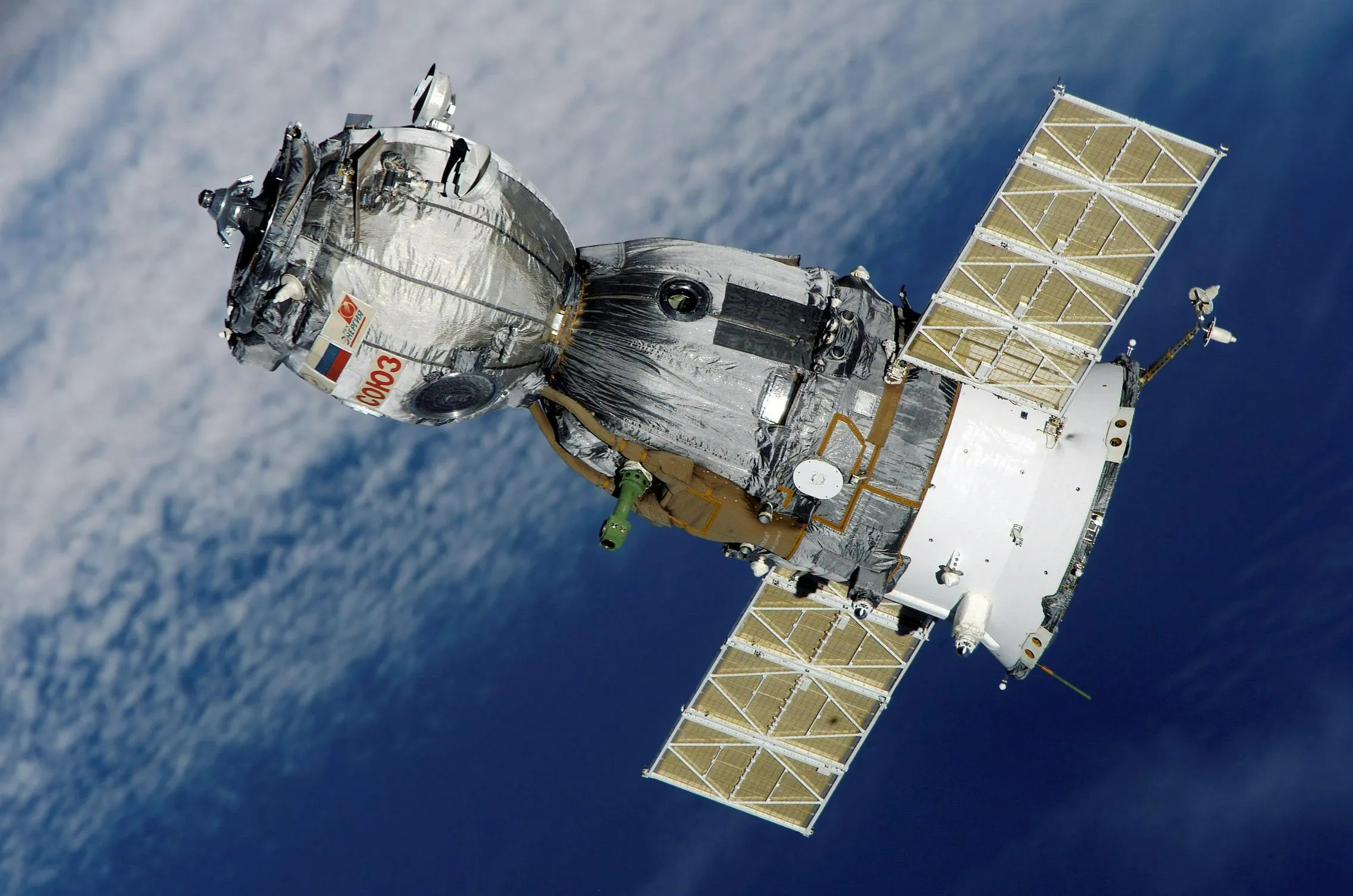
The International Day of Human Space Flight is observed annually on April 12. It marks the beginning of human exploration beyond Earth and celebrates one of the greatest achievements in human history, sending a human into outer space.
The day recognizes scientific progress, innovation, and humanity’s strong desire to explore the unknown. It also reminds us that space exploration is a shared effort that benefits all nations.
|
Date: |
12 April |
|
First Observed: |
2011 |
|
Declared By: |
United Nations General Assembly |
|
Type of Events: |
International Awareness Day |
|
Observance: |
International |
|
Observed By: |
United Nations, Space agencies, educational institutions, science organizations, and the general public worldwide |
|
Why 12 April? |
Marks the day in 1961 when Yuri Gagarin became the first human to travel into outer space |
|
Spaceship Used: |
Vostok 1 |
|
Purpose: |
|
|
Holiday Status: |
Not a public holiday |

This observance is linked to a historic moment on 12 April 1961, when Yuri Gagarin became the first human to travel into outer space.
Key historical facts:
Yuri Gagarin flew aboard Vostok 1
The mission lasted 108 minutes
He completed one orbit around Earth
His flight proved that humans could survive in space
This event opened a new chapter in science and technology. To honor this achievement, the United Nations General Assembly declared 12 April as the International Day of Human Space Flight in 2011
The International Day of Human Space Flight highlights the value of human space exploration and its impact on daily life.
The main purposes of the day are to:
Promote scientific and technological development
Encourage peaceful use of outer space
Support international cooperation in space
Inspire curiosity and innovation among young people
The United Nations uses this observance to highlight the support of space activities for communication, navigation, research, and global development.
Human space flight has helped improve many areas of science and technology.
Major scientific benefits include:
Better understanding of the human body in space
Advances in engineering and materials science
Improved medical technology and research
Better understanding of Earth and climate
Technologies influenced by space research:
GPS and navigation systems
Satellite television and the internet
Weather forecasting
Disaster monitoring and response
These benefits show how space exploration improves life on Earth.
Space exploration has inspired people across generations and cultures. Seeing Earth from space has changed how humanity views the planet.
Social and cultural contributions include:
Inspiring students to study science and technology
Promoting global unity and shared responsibility
Increasing awareness of Earth’s environment
Encouraging peaceful cooperation between countries
Space exploration reminds us that Earth has no borders when viewed from space.
Human space flight continues to be important today and is rapidly evolving.
Current and future space activities include:
Mission to the International Space Station (ISS)
Research on long-term space travel
Renewed mission to the moon
Plans for future exploration of Mars
The ISS is a strong example of global cooperation, with astronauts from many countries working together. Private space companies have also joined the space exploration effort, increasing innovation and public interest.
The International Day of Human Space Flight is widely observed for educational and awareness purposes.
Common activities include:
School lessons and science projects
Public lectures and exhibitions
Space documentaries and media programs
Online events and virtual tours
These activities help promote STEM education(Science, Technology, Engineering, and Mathematics) and inspire future scientists and explorers.
A key message of this day is that outer space should be used peacefully and responsibly.
The day promotes:
International space agreements
Cooperation instead of competition
Equal access to space benefits
Responsible and ethical space exploration
Space exploration shows how countries can work together beyond political differences.
The day is observed worldwide through educational and awareness programs.
Observed by:
United Nations and its agencies
National space agencies
Education institutions
Science centers and museums
Media and research organizations
Although it is not a public holiday, it is an important global observance with educational and symbolic value.
This day reminds us that space exploration:
Advances in science and technology
Encourages peace and cooperation
Supports global development
Inspires future generations
It also highlights humanity’s shared responsibility to use space wisely and for the benefit of all
The International Day of Human Space Flight honors a defining moment in human history and celebrates the spirit of exploration that unites people across nations. It serves as a reminder that space exploration is a shared human achievement with lasting benefits for present and future generations.
"Human space flight reminds us that curiosity can take us beyond our limits."