
| Date | May 1 (Buddha Purnima) |
| Duration | 1-2 days |
| Observance | Ethnic seasonal festival |
| Celebrated in | Eastern Nepal (Rai and Limbu regions) |
| Observing Communities | Rai and Limbu ethnic groups (Kirat communities) |
| Type of Event | Seasonal/cultural festival |
| Purpose of Event | To celebrate the seasonal migration of animals to highland pastures and mark the beginning of summer |
| Holiday Status | No (Not a national public holiday) |
| First Observed in | Ancestral Kirat tradition (ancient) |
Quick Fact: Ubhauli Parwa is a major seasonal festival of Nepal's Kirat communities (Rai and Limbu ethnic groups). The name "Ubhauli" means "upward journey," referring to the seasonal migration of animals and birds to higher mountain altitudes with the onset of summer. This festival also coincides with Buddha Purnima, creating a spiritually enriched seasonal celebration.
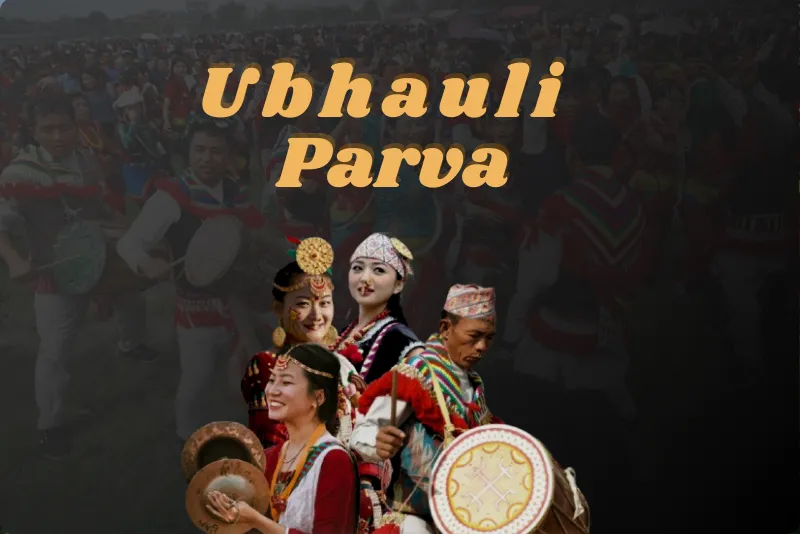
Ubhauli Parwa is one of the two major seasonal festivals of the Kirat people — the indigenous ethnic communities of Nepal including the Rai and Limbu groups primarily inhabiting eastern Nepal. The name "Ubhauli" derives from "ubhalo" meaning upward, signifying the seasonal movement of animals and birds from lowland areas to high mountain pastures as summer arrives. This ancient festival celebrates humanity's harmonious relationship with nature, the cycles of seasons, and the continuation of ancestral traditions.
The Kirat people have celebrated Ubhauli Parwa since time immemorial as part of their indigenous religious and cultural tradition (Kirat Mundhum). The festival reflects the traditional pastoral lifestyle of Kirat communities where seasonal migration of livestock to alpine pastures was essential for survival and prosperity. Ubhauli Parwa coincides with Buddha Purnima, creating a unique celebration that weaves together indigenous Kirat traditions with the broader Buddhist and Hindu spiritual observances of Nepal, reflecting the country's extraordinary religious diversity and syncretism.
This festival serves multiple important purposes:
To celebrate the seasonal migration of animals to highland pastures marking the onset of summer.
To mark the beginning of the summer agricultural season and its associated activities.
To honor Buddha's enlightenment and teachings within the syncretic Nepali spiritual context.
To acknowledge and celebrate the eternal harmony between human communities and nature's cycles.
The festival is celebrated with traditional activities:
Ritual offerings are made to ancestral spirits and nature deities for blessings.
Community feasts are prepared featuring traditional Kirat cuisine and locally grown produce.
Singing of traditional Sakela songs and Chyabrung dance performances animate the celebration.
Blessing ceremonies are conducted for livestock, crops, and the migrating herds.
Temple visits and spiritual observances connect the community with their ancestral heritage.
This festival holds deep significance:
It celebrates and reinforces Kirat ethnic identity, cultural pride, and indigenous heritage.
It marks a critical agricultural season transition essential to the Kirat farming communities.
It maintains the living connection between Kirat communities and their relationship with nature.
It syncreti zes Buddhist teachings and indigenous Kirat spiritual traditions beautifully.
It is significant for Rai and Limbu communities as a cornerstone of their cultural calendar.
Ubhauli Parwa is a vibrant celebration of Nepal's indigenous Kirat heritage, weaving together seasonal wisdom, ancestral spirituality, and communal joy. As animals move upward to the high mountain pastures and the earth bursts into summer abundance, the Rai and Limbu communities come together to celebrate their unique cultural identity and their eternal bond with the natural world that has sustained their traditions for countless generations.