
| Date | May 1 (Vaishakh Purnima) |
| Duration | 1 day |
| Observance | Purnima/Full moon festival |
| Celebrated in | Temples and Buddhist monasteries, Nepal |
| Observing Communities | Hindu devotees, Buddhists |
| Type of Event | Religious festival |
| Purpose of Event | To honor Goddess Chandi and divine feminine energy while also commemorating Buddha's enlightenment |
| Holiday Status | No (Not a public holiday, except among Buddhist communities) |
| First Observed in | Ancient period (Hindu tradition and Buddhist history) |
Quick Fact: Chandi Poornima is the full moon day dedicated to Goddess Chandi (Chandika), a fierce manifestation of divine feminine power. In Nepal, this day also coincides with Buddha Purnima, creating a unique syncretic celebration that honors both the divine mother's power and the Buddha's enlightenment simultaneously.
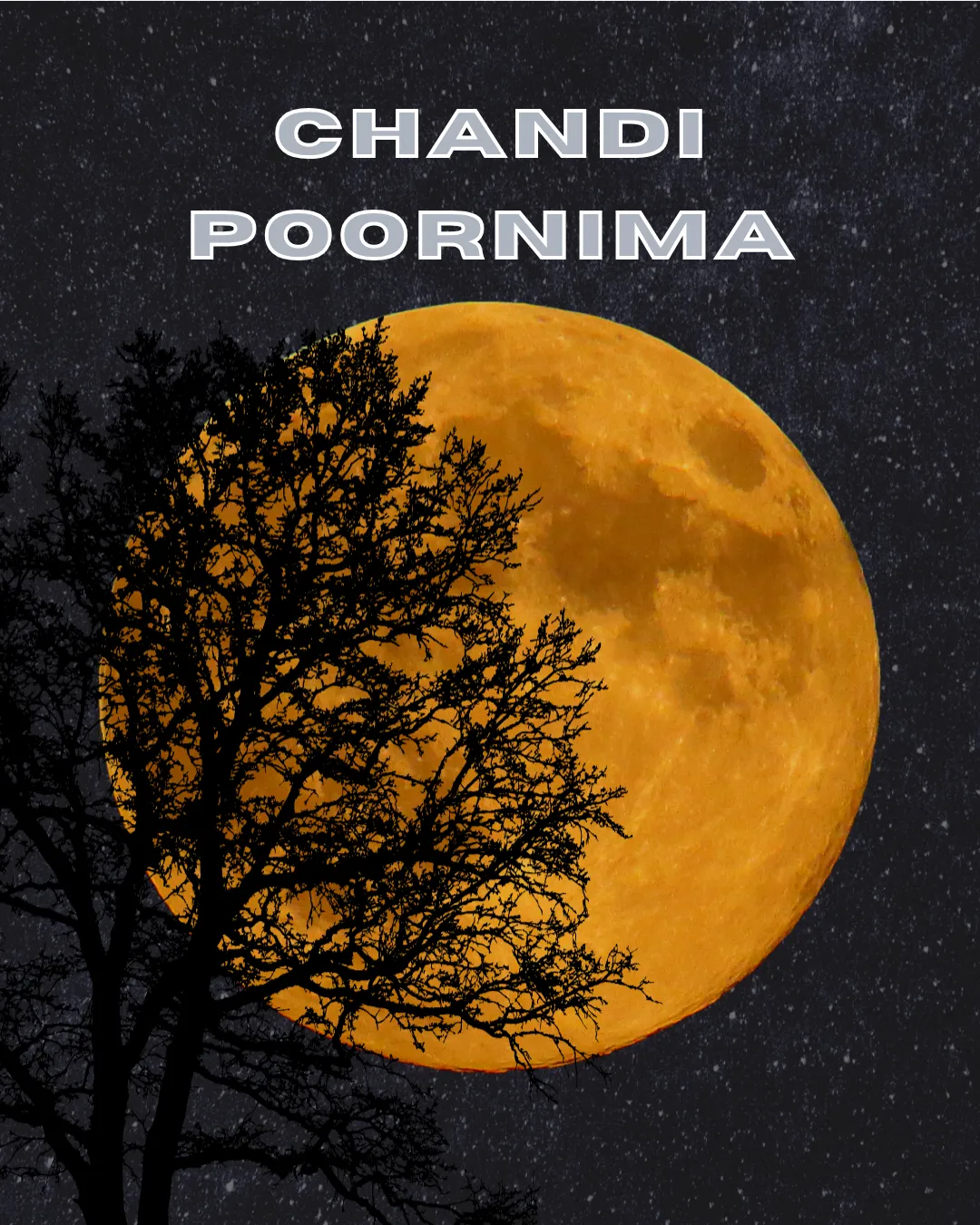
Chandi Poornima is a sacred full moon observance dedicated to Goddess Chandi, also known as Chandika, a fierce and powerful manifestation of the divine feminine energy (Shakti). Observed on the Vaishakh Purnima (full moon of Baisakh month), this day holds a unique dual significance in Nepal: it celebrates both the goddess Chandi in the Hindu tradition and the enlightenment of Gautama Buddha in the Buddhist tradition, reflecting Nepal's beautifully syncretic religious culture.
Goddess Chandi is described in the Devi Mahatmya (Durga Saptashati), one of Hinduism's most revered texts on the divine feminine. The text narrates how Chandi destroyed the demon Mahishasura and other powerful demons, establishing the victory of righteousness over evil. The Vaishakh Purnima on which this is celebrated also marks Buddha's birth, enlightenment, and parinirvana, making it a day of extraordinary spiritual significance across both Hindu and Buddhist traditions in Nepal.
This festival is observed to:
Honor Goddess Chandi and the principle of divine feminine energy (Shakti).
Celebrate the Buddha's enlightenment and liberation from the cycle of rebirth.
Acknowledge the power of the feminine divine as protector and destroyer of evil.
Commemorate spiritual enlightenment and wisdom in both Hindu and Buddhist traditions.
Devotees observe this auspicious full moon through various practices:
Ritual bathing and visits to temples dedicated to Chandi and other goddess forms.
Offerings of flowers, incense, and devotional items at goddess shrines.
Chanting of the Chandi Paath (recitation of the Devi Mahatmya scripture).
Buddhist ceremonies and meditation sessions for Buddha Purnima.
Processions, community dharma teachings, and distribution of blessed food.
This festival holds significance because:
It celebrates the divine feminine principle (Shakti) as the ultimate source of cosmic power.
It honors the Buddha's enlightenment and spiritual realization on this auspicious full moon.
It uniquely syncreti zes Hindu and Buddhist traditions in Nepal's inclusive religious culture.
It is significant for goddess worshippers who seek blessings, protection, and spiritual wisdom.
It reinforces the twin principles of wisdom and compassion honored in both traditions.
Chandi Poornima beautifully exemplifies Nepal's unique spiritual landscape where Hindu and Buddhist traditions coexist and celebrate together. The fierce protective power of Goddess Chandi and the compassionate wisdom of the enlightened Buddha share this auspicious full moon, inviting all devotees to reflect on the nature of power, liberation, and spiritual truth.