
Quick Reference Card
| Date | May 1, 2026 |
| Duration | 1 day |
| Observance | International workers' day |
| Celebrated in | Throughout Nepal and globally in over 160 countries |
| Observing Communities | Workers, labor organizations, trade unions |
| Type of Event | Labor rights commemoration |
| Purpose of Event | To honor workers' contributions to society, advocate for labor rights and fair conditions, and celebrate the global labor movement |
| Holiday Status | Yes (Public holiday in Nepal) |
| First Observed in | 1963 in Nepal (internationally since 1889) |
Quick Fact: International Labour Day originated from the historic struggle for an eight-hour workday, inspired by the 1886 workers’ movement in Chicago.
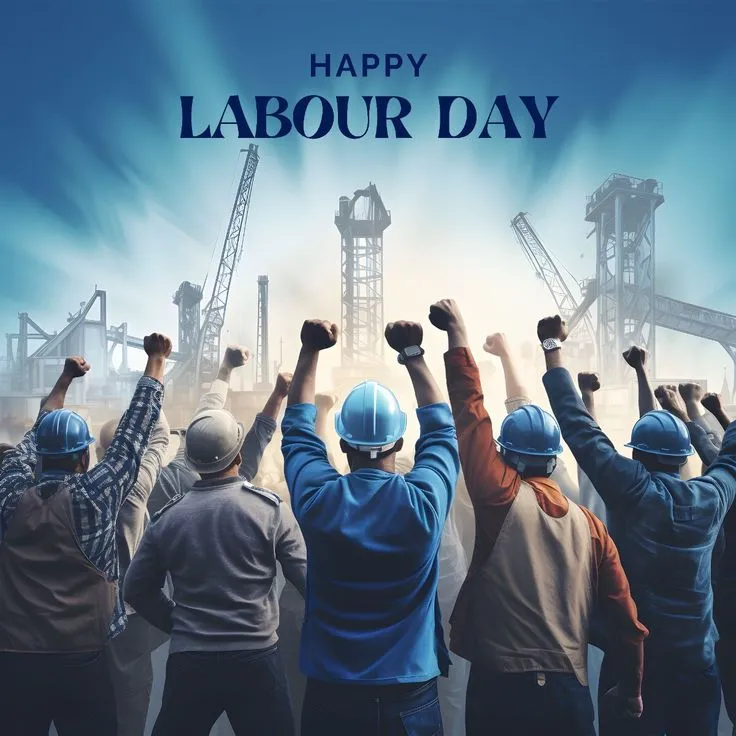
International Labour Day is observed every year on 1 May. This day is also known as May Day or Worker’s Day. This day honors the hard work and struggles of workers worldwide. This day recognizes the contributions, rights and achievements of workers across the world. It also recognizes the role of labour in economic development and social progress.
The history of Labour Day goes back to the 19th century. In 1886, workers in Chicago demanded an eight-hour workday. A major protest at Haymarket Square led to violence and deaths. These events inspired a global movement for workers rights worldwide.
The Second International declared 1 May as a workers day in 1889. The first global Labour Day was observed on 1 May 1890. Countries across Europe and Asia began adopting the day soon after. It grew into one of the most widely observed days worldwide.
International Labour Day is celebrated with great energy worldwide. Trade unions, labour groups and workers take to the streets. Rallies, marches and public events are held in many countries. The day is a public holiday in over 80 nations globally.
Common ways this day is celebrated and observed include:
Workers and trade unions organize rallies and protest marches.
Governments announce new labour policies and welfare schemes.
Speeches and discussions are held on workers rights globally.
Cultural programs celebrate the dignity and strength of labour.
Awards are given to recognize outstanding contributions by workers.
Media campaigns highlight key labour issues and workers stories.
Labour organisations use this day to demand better working conditions. Governments review and update labour laws and policies. Workers share stories and celebrate solidarity across industries. The day unites people from all professions in a common cause.
International Labour Day is observed to:
Recognize the hard work and dedication of workers
Promote fair wages and safe working conditions
Support workers’ rights and social justice
Encourage unity among labor communities
International Labour Day holds deep social and educational value. It educates people about the history and importance of labour rights. Students learn about trade unions and the power of collective action. Workers feel empowered to speak up for their rights at work.
Key social and educational benefits of this day include:
Raising awareness about workers rights and fair wages globally.
Teaching the history of the labour movement and its achievements.
Encouraging workers to join unions and advocate for themselves.
Promoting policies that ensure safe and healthy workplaces.
Highlighting gender equality and equal pay in the workforce.
Supporting vulnerable workers like migrants and informal workers.
Labour education reduces exploitation and builds stronger communities. Workers who know their rights can demand fair and safe treatment. This day also inspires young people to value honesty and dignified work. A fair labour system benefits the economy and the whole society.
International Labour Day is important because it:
Protects workers’ rights and dignity
Promotes equality and fair treatment
Encourages better labor laws and protections
Strengthens solidarity among workers
In the modern era, workers face new challenges such as job insecurity, technological change, and workplace safety concerns. International Labour Day reminds governments and employers to ensure fair opportunities and decent working conditions for all.
International Labour Day on 1 May celebrates the strength, unity, and contribution of workers worldwide. By observing this day, societies reaffirm their commitment to fairness, justice, and respect for labor rights.