
Quick Reference Card
| Date | 28 April Every year |
| Duration | One-Day |
| Observance | International |
| Celebrated in | WorldWide |
| Observing Communities | Workers, employers, labor unions, occupational safety professionals, governments, International Labour Organization (ILO) |
| Type of Event | International Workplace Safety & Awareness Day |
| Purpose of Event | To promote the prevention of occupational accidents and diseases globally and to encourage safe, healthy and decent working conditions for all workers. |
| Holiday Status | No (Not a public holiday) |
| First Observed in | 2003 (Launched by the International Labour Organization – ILO) |
Quick Fact: The day is led by the International Labour Organization (ILO) and focuses each year on a specific theme related to workplace safety and health.
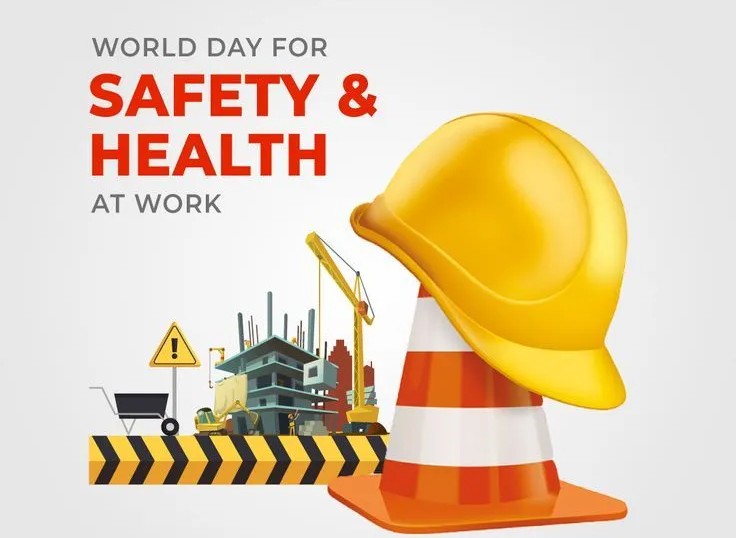
World Day for Safety and Health at Work is observed on 28 April. It is an important international occupational safety awareness day. The day promotes the prevention of accidents and diseases at work. It highlights the importance of safe and healthy working conditions.
Every year, millions of workers are injured or killed at work. Occupational diseases and workplace accidents cause great suffering. This day urges governments and employers to act on safety. Protecting workers is not just a legal duty but a moral one.
The International Labour Organization (ILO) leads this global campaign. It calls on all nations to strengthen safety and health systems. World Day for Safety and Health at Work saves lives globally. Together, we can build workplaces where everyone returns home safely.
World Day for Safety and Health at Work was created by the ILO. It was established in 2003 as a global awareness campaign. The day was partly inspired by the Workers Memorial Day tradition. It aimed to shift focus from reaction to prevention in workplaces.
Before this day, workplace safety was often treated as an afterthought. Many workers lost their lives due to preventable accidents daily. The ILO recognized the need for a strong international platform. This day became that platform to drive change globally.
In its early years, the focus was on basic accident prevention. Over time, mental health at work became part of the agenda. The 2020 COVID-19 pandemic put health at work in sharp focus. Digital technology and Al now shape the 2025 safety agenda. The day continues to evolve with the changing world of work.
The day has grown into a key part of the global safety calendar. New themes each year reflect emerging workplace challenges and trends. ILO member states use this day to launch national safety programs. The movement keeps growing stronger with each passing year.
This important day is observed by governments, employers, and workers. The ILO organizes global events, reports, and awareness campaigns. Workplace safety fairs, seminars, and workshops are held worldwide. The day brings together safety professionals and policymakers for action.
Common ways this day is celebrated and observed include:
Workplace safety audits and risk assessments are conducted.
Seminars and workshops on occupational health are organized.
ILO releases reports on global workplace safety statistics.
Employers renew their commitment to worker safety policies.
Safety training sessions are held for workers at all levels.
Awards are given to companies with excellent safety records.
Workers are encouraged to report unsafe conditions at their workplace. Governments review and update occupational health and safety laws. Media campaigns raise awareness about workplace hazards and risks. This day promotes a global culture of prevention at work.
The day is observed to:
Promote occupational safety and health (OSH)
Prevent workplace accidents and diseases
Encourage governments and employers to improve safety standards
Raise awareness about workers’ rights to safe conditions
Each year, the ILO announces a theme focusing on specific workplace safety challenges.
In 2025, The theme for this day was “Revolutionizing Health and Safety: The Role of AI and Digitalization at Work”.
This day holds powerful social and educational value for all. It educates employers about their duty to protect worker health. Workers learn how to identify and report safety hazards at work. Schools and universities use it to teach occupational health principles.
Key social and educational benefits of this day include:
Teaching workers about their right to a safe workplace environment.
Helping employers understand safety regulations and their benefits.
Reducing workplace injuries through education and training programs.
Promoting mental health and well-being alongside physical safety.
Encouraging reporting of hazards without fear of punishment.
Building a culture of prevention across all sectors worldwide.
Safe workplaces increase productivity and reduce healthcare costs. When workers feel safe, they perform better and stay healthier. This day also highlights the link between safety and human dignity. A healthy workforce is the foundation of a thriving economy.
This day is important because it:
Saves lives by encouraging preventive measures
Reduces workplace injuries and health risks
Promotes responsibility among employers and employees
Strengthens national safety policies
Safe workplaces increase productivity and worker well-being.
In modern industries, workers face risks related to machinery, chemicals, technology and stress. Global crises such as pandemics also highlight the need for strong health and safety systems. Promoting workplace safety ensures dignity, security and sustainable economic growth.
World Day for Safety and Health at Work on 28 April emphasizes that every worker has the right to a safe and healthy workplace. By raising awareness and promoting preventive action, the day supports the goal of reducing work-related accidents and protecting workers worldwide.