
| Date | 2082 Chaitra 12 B.S. |
| Duration | 4 to 5 days |
| Observance | National |
| Celebrated In | Kathmandu, Nepal |
| Observing Communities | Newar Hindu and Buddhist communities |
| Type of Event | Festival |
| Purpose of Event | To honor Seto Machhindranath and bring blessings, peace, and protection to the city. Strengthen community devotion and cultural traditions |
| First Observed In | Malla periods around the 17th Century |
| Holiday Status | Not an official holiday |
| Lunar date | Starts on Chaitra Shukla Aastami |
Seto Matsyendranath Rathyatra is one of Kathmandu's grandest chariot festivals. The word "Seto" means white in Nepali. This refers to the white-faced deity honored in the celebration. The festival is also known as "Jana Baha Dyah Jatra" in Nepal Bhasa.
A massive wooden chariot carries the deity through Kathmandu's historic streets. Thousands of devotees gather to pull the chariot and receive blessings. The event brings together Hindus and Buddhists in a shared act of worship.
Seto Matsyendranath is worshipped as the God of Rain. People believe he brings good harvests and protects from famine. The festival happens during the Chaitra month (March-April) every year. It lasts three to four days.
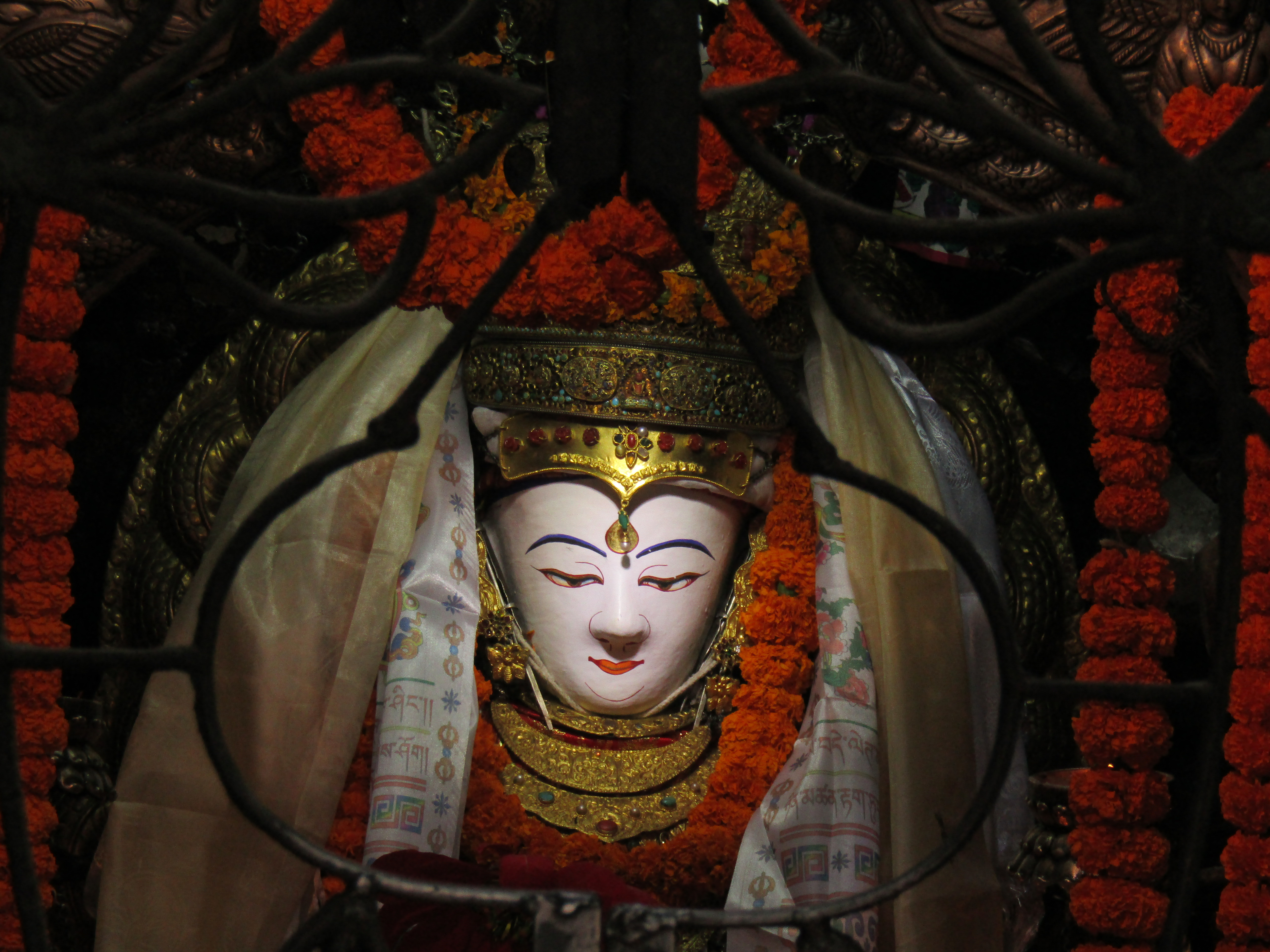
The Seto Matsyendranath Temple dates back to the 10th century. The temple is located in Jana Bahal, between Asan and Indra Chowk.
During King Yakshya Malla's rule, people visited the Swayambhunath temple regularly. This practice granted them entry to heaven. Yamraj (God of Death) realized the temple's power was threatening his authority.
King Yakshya Malla and his Tantric Guru captured Yamraj. The king demanded immortality for his people. Yamraj called upon Arya Avalokiteshwor (Seto Matsyendranath) for help.
The deity appeared from water, white in color with half-closed eyes. He instructed the king to build a temple and organize a chariot procession. This would allow the deity to visit people and bless them. Thus, the tradition began.
Key Timeline:
10th Century: Temple established in Jana Bahal
2073 BS: Women began leading the chariot pulling
Present: Festival continues with growing participation
For Buddhists: Seto Matsyendranath is Avalokiteshvara, the Bodhisattva of compassion. The white color symbolizes purity. The half-closed eyes represent meditation.
For Hindus: The deity is Karunamaya for them. He's the God of Rain and Harvest, essential for agriculture.
Shared Beliefs:
Bringing rainfall and good harvests
Protecting from famine
Healing illnesses
Granting prosperity and long life
This syncretic tradition shows Nepal's unique religious harmony.
When Does It Happen: The festival occurs on the 8th to 10th day of Chaula (6th lunar month). In practice, this means late March or early April. Dates change yearly following the lunar calendar.
The Chariot:
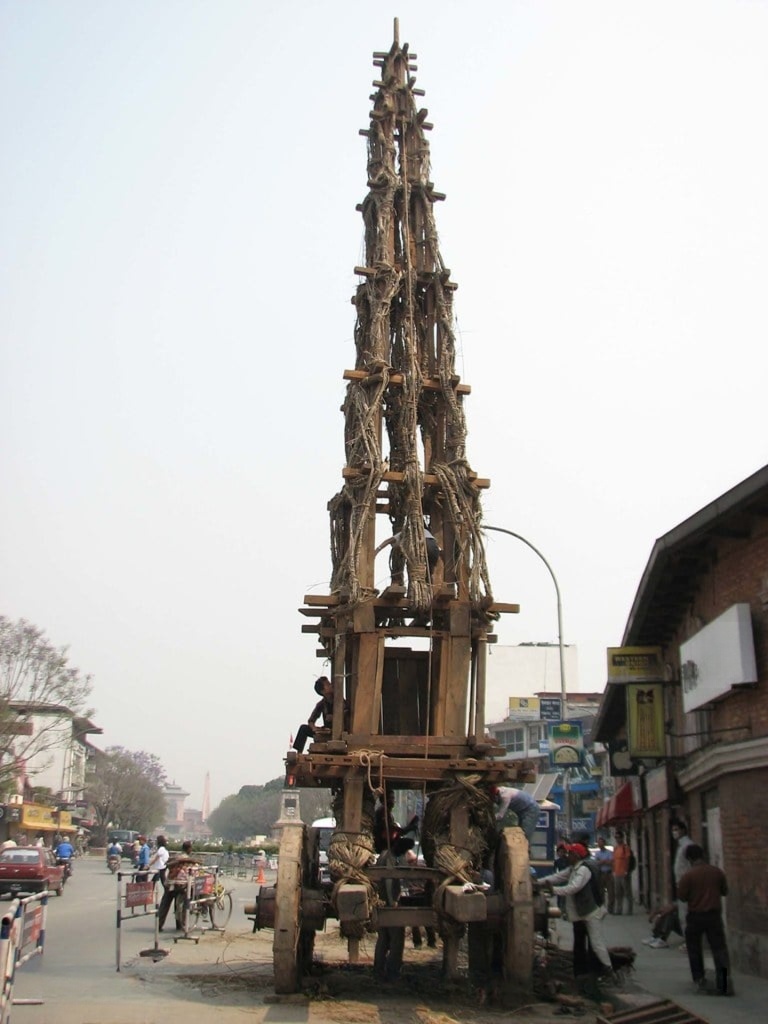
The chariot stands 32-35 feet tall with 10 storeys. It's built fresh every year at Tindhara Pathsala using traditional methods.
Chariot Features:
Built entirely from wood without nails
Four huge wheels representing Bhairav avatars
10 storeys representing houses of different gods
Decorated with precious stones and ornaments
Day-by-Day:
Day 1: Priests remove the deity from the Jana Bahal temple. The deity is installed in the chariot. Kansakar musicians play long trumpets. The Guruju Paltan performs rifle salutes. Crowds pull the chariot to Ason.
Day 2: The chariot moves from Ason to Hanuman Dhoka via Indra Chowk. This passes through Kathmandu's busiest areas. Musical bands accompany the procession.
Day 3: The chariot travels to Lagan, where the deity's mother's temple stands. The chariot circles this temple three times, honoring the divine mother.
Day 4: The deity returns to the Jana Bahal temple. The chariot is disassembled after completion.
Who Pulls the Chariot:
Women have taken the lead since 2017. This marked a major cultural shift. Women's groups organize and coordinate the pulling. Anyone can participate regardless of gender or background.
Annual Bathing Ritual:
Every Poush month (December-January), the deity undergoes ritual bathing. Artists repaint the white face afterward. This symbolizes renewal and change in life.
Electric lights now illuminate the chariot at night. CCTV installations help manage crowds safely. Social media plays a huge role. People share photos and videos across platforms.
The most significant modern change is women's active leadership. Before 2017, chariot pulling was male-dominated. Women organized themselves and took front positions. This encourages broader female participation in public festivals.
The festival teaches community cooperation. Pulling the massive chariot requires hundreds working together. People learn about religious tolerance. Hindus and Buddhists worship side by side peacefully.
This festival also teaches:
Compassion
Equality across castes
Unity across religions
Children learn about Nepal's syncretic traditions and traditional architecture. The festival preserves traditional crafts and carpentry techniques.
DO'S:
Join the chariot pulling respectfully
Dress modestly near temples
Make offerings (flowers, incense)
Arrive early for good spots
Stay hydrated
DON'TS:
Don't push or shove in crowds
Don't climb on the chariot
Don't litter the route
Don't consume alcohol
Don't miss the mother's temple ritual at Lagan
|
Colour |
Seto (White) |
Rato (Red) |
|
Location |
Kathmandu |
Patan |
|
Duration |
3-4 days |
1 month |
|
Chariot Height |
32-35 feet |
60 feet |
Both represent the same deity with regional variations. Both of these festivals unite Hindus and Buddhists.
"The chariot moves not by individual strength, but by community unity. May Seto Matsyendranath bless us with rain and harvest!"