
| Date | April 27(Vaishakh Shukla Ekadashi) |
| Duration | 1-2 days (fast) |
| Observance | Ekadashi Vrata (religious fast) |
| Celebrated in | Throughout Nepal, temples and homes |
| Observing Communities | Hindu devotees, yoga practitioners |
| Type of Event | Fortnightly religious fast |
| Purpose of Event | To overcome emotional attachments, delusions, and illusions through fasting and meditation on the 11th lunar day |
| Holiday Status | No (Not a public holiday) |
| First Observed in | Ancient Hindu vrata tradition |
Quick Fact: Mohini Ekadashi Vrata is observed on the 11th lunar day (Ekadashi) of the waxing moon in Vaishakh month. The term "Mohini" refers to enchantment and illusion, qualities that can lead to delusion. This fast helps devotees cultivate discernment, overcome attachments, and connect with Vishnu's Mohini avatar, the divine enchantress who restored cosmic order.
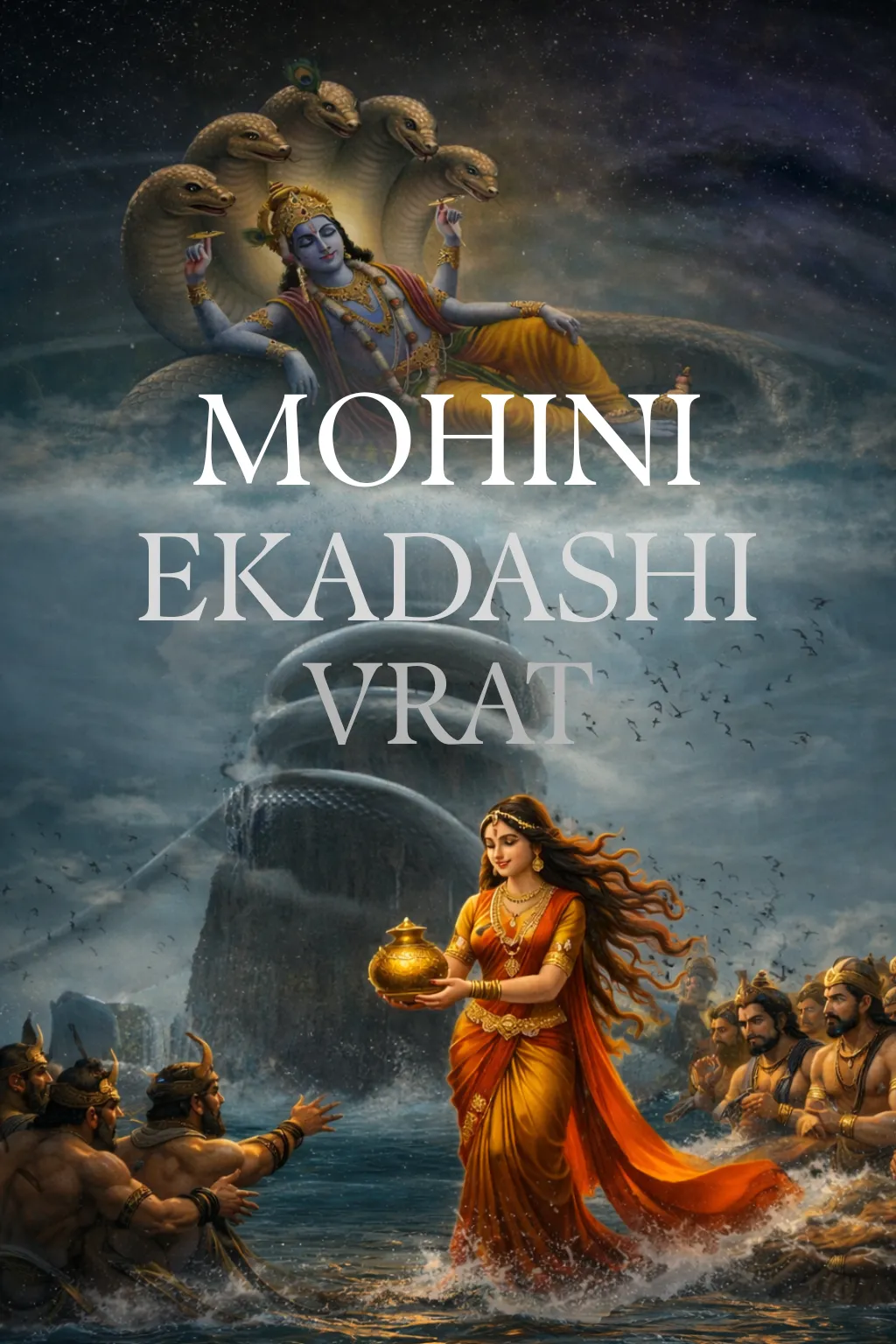
Mohini Ekadashi Vrata is observed on the eleventh day (Ekadashi) of the bright fortnight (Shukla Paksha) in the Vaishakh month of the Hindu lunar calendar. This sacred fast is associated with Mohini, the enchanting feminine avatar of Lord Vishnu, and focuses on overcoming the forces of illusion, desire, and emotional attachment that cloud spiritual perception. Ekadashi fasting is among the most widely practiced spiritual disciplines in Vaishnavite Hinduism.
Ekadashi (eleventh lunar day) fasts have been observed in Hindu tradition for thousands of years and are documented extensively in the Puranas. The Mohini Ekadashi specifically references the story of Vishnu's enchanting Mohini avatar, who appeared during the Samudra Manthan to distribute Amrita (nectar of immortality) to the gods by enchanting the demons. "Moha" (delusion) is one of the fundamental obstacles on the spiritual path, and this fast helps devotees develop the discrimination (viveka) needed to see through life's illusions and attachments.
This vrata is observed to:
Overcome emotional attachments and spiritual delusions that cloud inner perception.
Achieve mental clarity and cultivate the power of spiritual discernment.
Strengthen devotional practice and sharpen spiritual focus and concentration.
Connect with the teachings and qualities embodied in Vishnu's Mohini avatar.
The vrata follows traditional Ekadashi practices:
Fasting from sunrise to sunset or maintaining a complete fast throughout the day.
Meditation and yoga practices are intensified to cultivate inner awareness.
Recitation of Vishnu mantras, prayers, and reading of devotional scriptures.
The fast is broken after moonrise on the following morning (Dwadashi).
Ritual worship and temple visits are undertaken to honor Lord Vishnu.
This fast holds importance because:
It addresses the fundamental spiritual challenge of overcoming psychological and emotional attachments.
Regular Ekadashi fasting builds discipline, willpower, and spiritual strength over time.
It enables greater clarity in understanding reality by temporarily withdrawing from worldly concerns.
It aligns with Buddhist concepts of overcoming delusion as a path to liberation.
It is widely observed in Nepal and Hindu communities as a cornerstone spiritual practice.
Mohini Ekadashi Vrata is a powerful spiritual tool for overcoming the fundamental human tendencies toward illusion, desire, and attachment. By dedicating the Ekadashi to fasting, prayer, and meditation, devotees step back from the enchantments of the material world and reconnect with the clarity of their inner spiritual nature, a practice whose benefits extend far beyond the fasting day itself.