
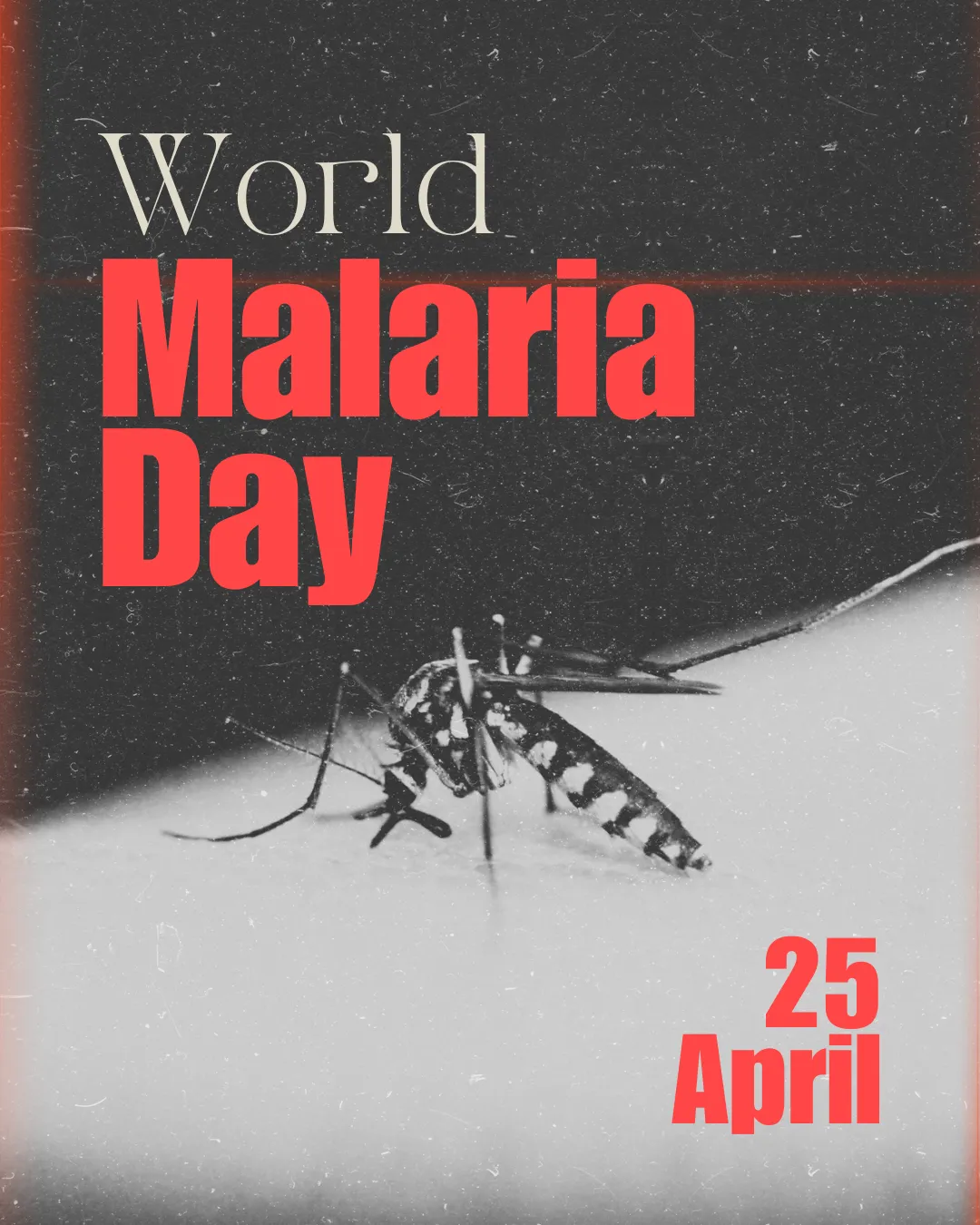
Every year on 25 April, the world observes World Malaria Day to raise awareness about one of the oldest and deadliest diseases known to humanity. Malaria is preventable and treatable, yet it still infects millions of people each year and claims hundreds of thousands of lives, most of them young children.
This international health awareness day, led by the World Health Organization, serves as a reminder that the fight against malaria is far from over. It highlights the need for stronger prevention, better treatment access, sustained funding, and global cooperation.
World Malaria Day is not just about statistics. It is about protecting families, strengthening health systems, and moving closer to a malaria free world.
|
Aspect |
Details |
|
Observed On |
25 April |
|
First Observed |
2008 |
|
Established By |
World Health Organization Member States |
|
Origin |
Evolved from Africa Malaria Day in 2001 |
|
Main Objective |
Raise awareness and promote action to eliminate malaria |
|
Most Affected Region |
Sub-Saharan Africa |
|
Global Impact |
Over 200 million cases reported annually worldwide |
|
Holiday Status |
Not a Public Holiday |
Malaria is a serious infectious disease caused by Plasmodium parasites. These parasites are transmitted through the bite of infected female Anopheles mosquitoes.
After entering the body, the parasite first affects the liver and then attacks red blood cells. Without timely treatment, malaria can quickly become severe and life threatening.
Children under five years of age
Pregnant women
People living in tropical and subtropical regions
Communities with limited access to health care
Malaria is especially dangerous in low income regions where medical services may not be easily available. Early detection and treatment are critical to survival.
Malaria symptoms usually appear 10 to 15 days after infection. In some cases, symptoms may appear later.
High fever
Chills and shivering
Sweating
Headache
Muscle and joint pain
Nausea and vomiting
Fatigue
These early symptoms often resemble flu, which can delay proper diagnosis.
If untreated, malaria can progress rapidly and lead to:
Severe anemia
Breathing difficulties
Organ failure
Seizures
Coma
Death
Severe malaria is a medical emergency and requires immediate care.
The origins of World Malaria Day go back to Africa Malaria Day, first observed in 2001. African nations united to increase awareness and coordinate strategies to reduce malaria cases across the continent.
Recognizing the global impact of malaria, WHO Member States expanded the observance in 2007 during the 60th World Health Assembly. The first official World Malaria Day was held on 25 April 2008.
The purpose of making it a global observance was clear. Malaria is not limited to one region. It requires international cooperation, shared knowledge, and long term commitment.
World Malaria Day is led by the World Health Organization and supported by the United Nations system and global health partners.
The initiative supports Sustainable Development Goal 3, which focuses on good health and well being for all.
Key contributors include:
RBM Partnership to End Malaria
National health ministries
Research institutions
Community health workers
International donors
WHO releases annual global malaria reports to track progress and guide countries in strengthening their malaria control strategies.
Each year, a theme is selected to highlight urgent priorities in malaria prevention and elimination.
|
Year |
Theme |
|
2025 |
Malaria Ends With Us: Reinvest, Reimagine, Reignite |
|
2024 |
Accelerating the fight against malaria for a more equitable world |
|
2023 |
Time to deliver zero malaria: invest, innovate, implement |
|
2022 |
Harness innovation to reduce the malaria disease burden and save lives |
|
2019 to 2021 |
Zero malaria starts with me |
|
2018 |
Ready to Beat Malaria |
These themes encourage action, accountability, and renewed global commitment.
World Malaria Day plays a vital role in global public health.
It reminds people that malaria still affects millions and remains a serious health threat.
The day highlights the need for funding to develop better medicines, vaccines, and mosquito control tools.
It spreads awareness about mosquito nets, testing, and access to effective treatment.
Children and pregnant women remain the most affected. Targeted programs focus on protecting these groups.
Countries work together to share research, strategies, and resources to eliminate malaria.
Malaria prevention requires combined efforts at different levels.
Sleep under insecticide treated mosquito nets
Use mosquito repellents
Wear protective clothing in high risk areas
Indoor residual spraying
Removing stagnant water to reduce mosquito breeding
Community awareness programs
Rapid diagnostic testing
Effective antimalarial medicines
Introduction of malaria vaccines in high burden countries
Prevention remains the most cost effective strategy to reduce infections and save lives.
Over the past two decades, global efforts have helped reduce malaria death rates significantly in many regions. Expanded access to bed nets, rapid tests, and effective medicines has saved millions of lives. The introduction of malaria vaccines marks a historic milestone in disease prevention.
Despite progress, several obstacles remain:
Drug resistant malaria parasites
Insecticide resistant mosquitoes
Climate change expanding mosquito habitats
Funding shortages
Weak health systems in some regions
Without sustained commitment, the gains made over the years could slow down.
Everyone can play a role in supporting World Malaria Day.
Participate in awareness campaigns
Share accurate information on social media
Support public health organizations
Advocate for better health funding
Donate to malaria elimination programs
Community awareness and collective action can make a meaningful difference.
World Malaria Day is a powerful reminder that malaria is preventable, treatable, and ultimately eliminable. While progress has been made, millions remain at risk, especially in vulnerable communities.
Ending malaria requires innovation, funding, education, and strong health systems. It also requires global solidarity.
A malaria free future is possible, but only if the world continues to act with urgency and commitment.