
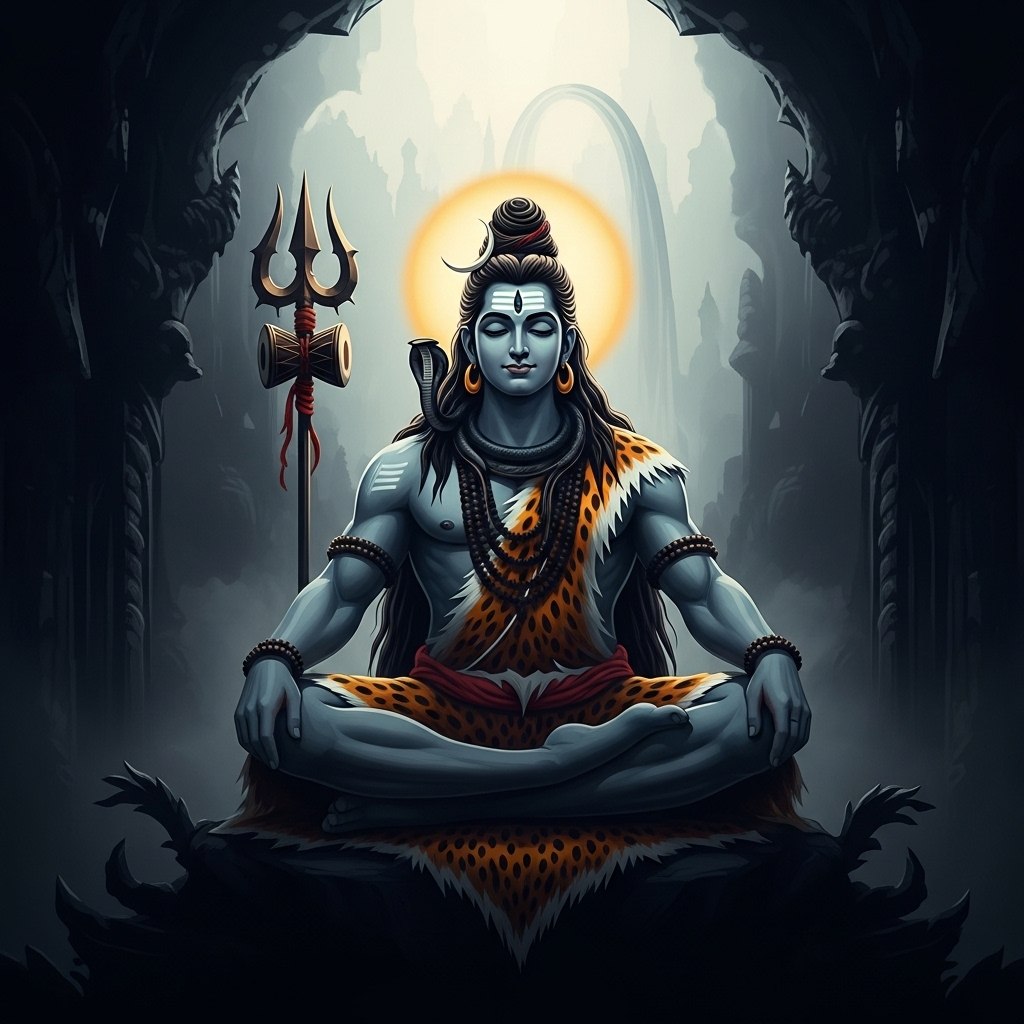
Maha Shivaratri, meaning “The Great Night of Lord Shiva,” is one of the most spiritually powerful and meaningful festivals in Hinduism. It is observed every year on the 14th day (Chaturdashi) of the Krishna Paksha in the month of Falgun, usually falling in February or March.
This divine night is dedicated to Lord Shiva, the symbol of transformation, inner strength, and supreme consciousness. Maha Shivaratri carries calm, positive, and uplifting energy that encourages devotees to let go of negativity, practice self-discipline, and connect with higher awareness.
In Nepal, where Lord Shiva is worshipped as Pashupatinath, this festival is observed with deep devotion across the country.
|
Aspect |
Details |
|
Festival Name |
Maha Shivaratri |
|
Meaning |
The Great Night of Lord Shiva |
|
Deity Worshipped |
Lord Shiva |
|
Observed On |
14th day of Krishna Paksha, Phalguna (Feb–March) |
|
Scriptural Sources |
Shiva Purana, Linga Purana, Skanda Purana |
|
Type |
Religious & Spiritual Festival |
|
Public Holiday in Nepal |
Yes |
|
Major Celebration Place |
Pashupatinath Temple, Kathmandu |
|
Key Practices |
Fasting, Abhishek, Jagaran, Mantra Chanting |
Maha Shivaratri’s origins are described in ancient Hindu texts such as the Shiva Purana and Linga Purana. These scriptures state that this night holds the highest spiritual energy, making it the ideal time for worship, meditation, and self-reflection.
According to the Shiva Purana, devotees who worship Shiva with devotion on this night are freed from fear, ignorance, and negative karmic influences. Over centuries, this sacred observance evolved into Maha Shivaratri, the most important among all Shivaratris observed throughout the year.
One of the most important legends described in the Skanda Purana and other Puranic texts is the story of Samudra Manthan.
During the cosmic event known as Samudra Manthan, gods (Devas) and demons (Asuras) churned the ocean to obtain Amrit, the nectar of immortality. However, before the nectar appeared, a deadly poison called Halahala emerged, spreading darkness and destruction across the universe.
Unable to control its power, the gods turned to Lord Shiva for help. Out of compassion for all living beings, Shiva consumed the poison and held it in his throat. Goddess Parvati gently pressed his neck to stop the poison from spreading, causing his throat to turn blue. This act earned him the name Neelkanth, the blue-throated one.
Maha Shivaratri honors this supreme act of sacrifice and reminds devotees that true greatness lies in selflessness and the protection of others.
Another widely believed legend states that Maha Shivaratri marks the divine marriage of Lord Shiva and Goddess Parvati, described in detail in the Shiva Purana.
Goddess Parvati, the daughter of King Himavan, believed Lord Shiva to be her destined partner. To win his heart, she performed intense penance and meditation for many years, living a life of simplicity, discipline, and devotion. Her unwavering dedication eventually pleased Lord Shiva, who accepted her as his divine consort.
Their union is not just a marriage in the human sense. It represents the perfect balance of Shiva (pure consciousness) and Shakti (creative energy). Without Shakti, Shiva remains still, and without Shiva, Shakti lacks direction. Together, they symbolize harmony, completeness, and the balance of the universe.
Maha Shivaratri celebrates this sacred union and teaches that patience, devotion, and inner strength lead to fulfillment and harmony in life.
According to the Linga Purana, Maha Shivaratri is also associated with the manifestation of the Jyotirlinga, the infinite pillar of divine light.
Once, Lord Brahma and Lord Vishnu debated who was supreme. To remove their ego and reveal the ultimate truth, Lord Shiva appeared as a boundless column of light, stretching endlessly in both directions. He challenged them to find its beginning and end. Despite their efforts, neither could succeed.
Realizing the limitless nature of Shiva, both deities bowed in humility. This event revealed that Lord Shiva is beyond form, time, and space; eternal and infinite.
The Shivling, worshipped on Maha Shivaratri, represents this cosmic truth. It reminds devotees that Shiva is not just a form to be worshipped, but the infinite reality present within and around all beings.
Maha Shivaratri symbolizes:
Awareness over ignorance
Discipline over desire
Light over darkness
It is considered an ideal night for meditation, inner reflection, and spiritual awakening. Staying awake is seen as remaining conscious on the path of truth.
People celebrate Maha Shivaratri to:
Seek Lord Shiva’s blessings for wisdom, peace, and strength
Purify the mind and soul through fasting and prayer
Express gratitude for Shiva’s protective role
Move closer to moksha (liberation)
It is the most auspicious night for self-discipline, devotion, and inner transformation.
Shivaratri occurs every month on the 14th night of the dark lunar phase. It focuses on regular devotion, simple pujas, and personal worship.
Maha Shivaratri, however, is observed once a year, in Phalguna, and carries the highest spiritual significance. Devotees observe strict fasting, perform night-long pujas, chant mantras, and visit major Shiva temples. While monthly Shivaratri strengthens routine devotion, Maha Shivaratri is the most powerful opportunity for spiritual growth.
Devotees fast fully or partially to purify body and minds.
The Shivling is bathed with water, milk, curd, honey, and ghee, and Bilva leaves are offered as a symbol of devotion.
Devotees stay awake, chant mantras, sing bhajans, and meditate all night to honor Shiva.
The night is divided into four Prahars, each lasting about three hours:
First Prahar (6 PM – 9 PM): Abhishek, chant Om Namah Shivaya, focus on purification
Second Prahar (9 PM – 12 AM): Meditation, chanting, prayers for protection and spiritual growth
Third Prahar (12 AM – 3 AM): Night peaks; chant Maha Mrityunjaya Mantra for liberation from fear and karma
Fourth Prahar (3 AM – 6 AM): Final prayers and gratitude; symbolizes the dawn of consciousness
Staying awake through all four Prahars represents discipline, devotion, and spiritual alertness.
Om Namah Shivaya – Brings peace and purity
Har Har Mahadev – Expresses surrender and joy in Shiva’s presence
Maha Mrityunjaya Mantra:
Om Tryambakam Yajamahe
Sugandhim Pushtivardhanam
Urvarukamiva Bandhanan
Mrityor Mukshiya Maamritat
Meaning: Worshipping the three-eyed Lord Shiva, may he free us from fear, suffering, and death, and guide us to liberation
Grandest celebration of Maha Shivaratri
Thousands of devotees and sadhus gather
Continuous pujas, abhishek, chanting, and evening aarti along the Bagmati River
Temples like Gokarneshwar, Triguneshwar, and Rudreshwar host special prayers
Families visit temples, fast, and spend the night in devotion
Pashupatinath Temple, Kathmandu
Gokarneshwar Mahadev Temple
Triguneshwar Mahadev Temple
Local Shiva shrines nationwide
Maha Shivaratri is a festival of hope, devotion, and inner awakening. Rooted in ancient Puranic wisdom and Nepali culture, it reminds people that true strength comes from self-discipline, awareness, and compassion.
The legends of Shiva’s sacrifice, divine union with Parvati, and infinite nature inspire devotees to live with balance, humility, and patience. In today’s fast-paced world, Maha Shivaratri offers a peaceful pause and a chance to reconnect with oneself, cultivate positivity, and embrace inner transformation. Observing this sacred night sincerely brings spiritual clarity, peace, and lasting happiness.