Quick Reference Card
| Dates | Jan 3, Feb 1, Mar 3, Apr 2, May 1, May 31, Jun 29, Jul 29, Aug 28, Sep 26, Oct 26, Nov 24, Dec 23 |
| Duration | 1 day each (13 total) |
| Observance | Monthly religious fast |
| Celebrated in | Throughout Nepal, temples |
| Observing Communities | Hindu devotees, yoga practitioners |
| Type of Event | Monthly vrata |
| Purpose of Event | Spiritual purification through lunar cycle energy on full moon days |
| Holiday Status | No (Not a public holiday) |
| First Observed in | Ancient Vedic tradition |
Quick Fact: Poornima Vrata is a monthly fast observed on full moon days throughout the year. There are 13 Purnimas due to an intercalary lunar month (Adhik Maas), making this an especially auspicious year for spiritual practitioners. The full moon is believed to amplify meditation and devotional practices.
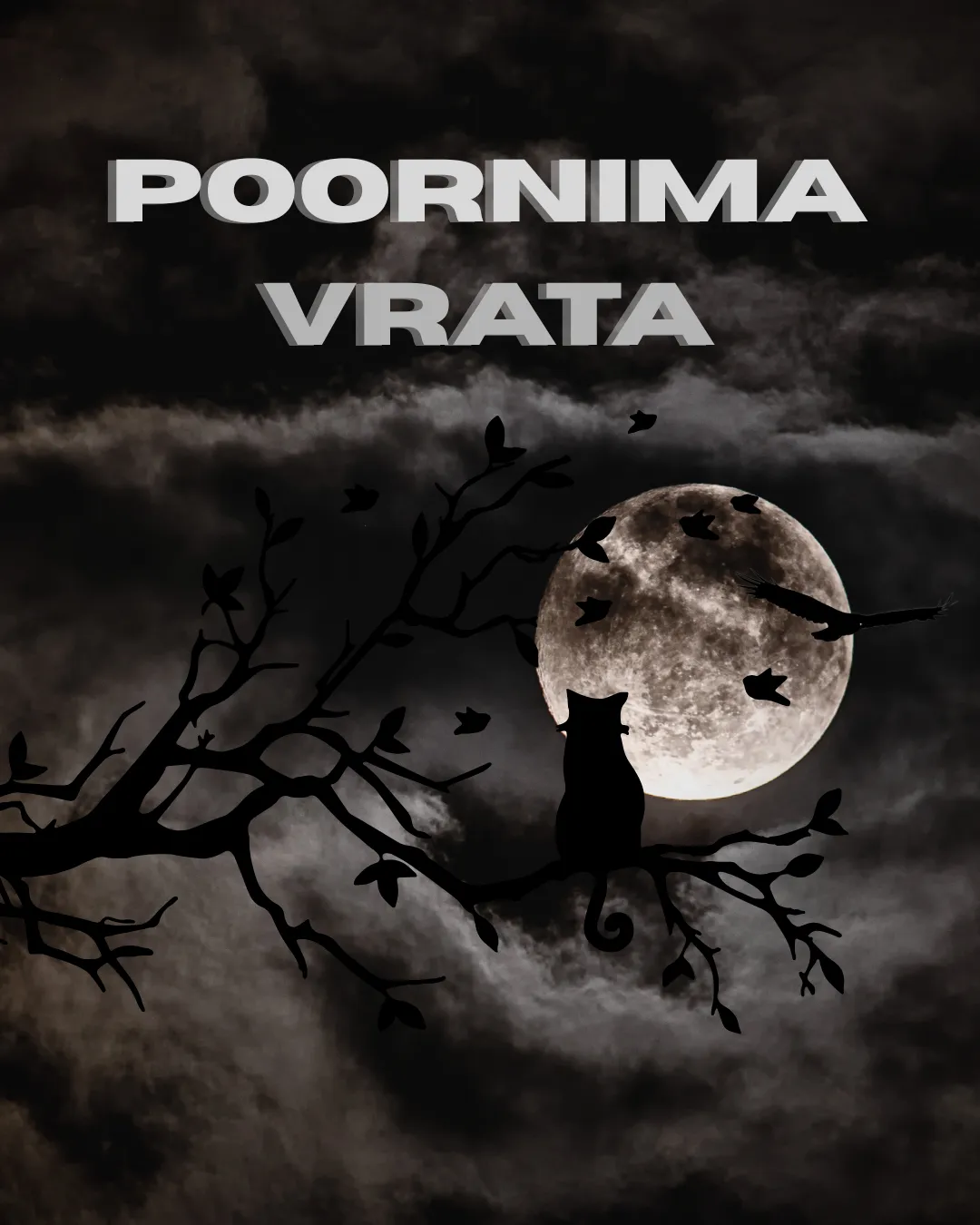
Poornima Vrata refers to the sacred fasting and religious observances performed on full moon days (Purnima) throughout the Hindu calendar year. This time-honored practice integrates spiritual discipline with lunar cycles, creating a monthly rhythm of devotion, fasting, and meditation that has sustained Hindu communities for millennia. The year 2026 is especially auspicious as it features 13 Purnimas due to the Adhik Maas (intercalary month).
The significance of the full moon in Hindu and Vedic tradition dates back thousands of years. Ancient sages recognized that the full moon exerted powerful influences on human consciousness and the natural world. Full moon days have always been associated with major festivals, Holi falls on Purnima, as does Buddha Jayanti, Guru Purnima, Sharad Purnima, and many others. The practice of fasting on Purnima is documented in classical Hindu texts including the Puranas and is integrated into daily religious life across Nepal and India.
This monthly vrata is observed to:
Achieve spiritual purification by harnessing the enhanced energy of the full moon.
Intensify meditation and yoga practices on days of heightened lunar energy.
Maintain a regular connection with lunar cycles and natural spiritual rhythms.
Offer devotional observance honoring cosmic principles of light and consciousness.
Devotees observe this vrata through regular practices:
Fasting from dawn to sunset or consuming only sattvic (pure) foods throughout the day.
Intensifying meditation and yoga practices to align with the amplified full moon energy.
Visiting temples and performing puja ceremonies in honor of the presiding deity of the month.
Chanting mantras and reading sacred texts appropriate to the full moon's significance.
Breaking the fast with nutritious, simple foods after moonrise.
This monthly practice holds great importance:
It provides a structured monthly spiritual practice integrated seamlessly into Hindu life.
The full moon is believed to amplify spiritual energy and heighten consciousness.
Regular fasting supports mental clarity, inner peace, and physical well-being.
It maintains a sacred connection with the natural lunar calendar throughout the year.
The extra 13th Purnima of 2026 (due to Adhik Maas) adds additional spiritual significance.
Poornima Vrata is one of the most consistently observed spiritual practices in Nepali Hindu tradition, offering devotees a monthly opportunity for renewal, purification, and deeper connection with divine consciousness. The full moon's radiant light serves as both a literal and symbolic reminder of the spiritual illumination that sincere practice can bring to everyday life.