
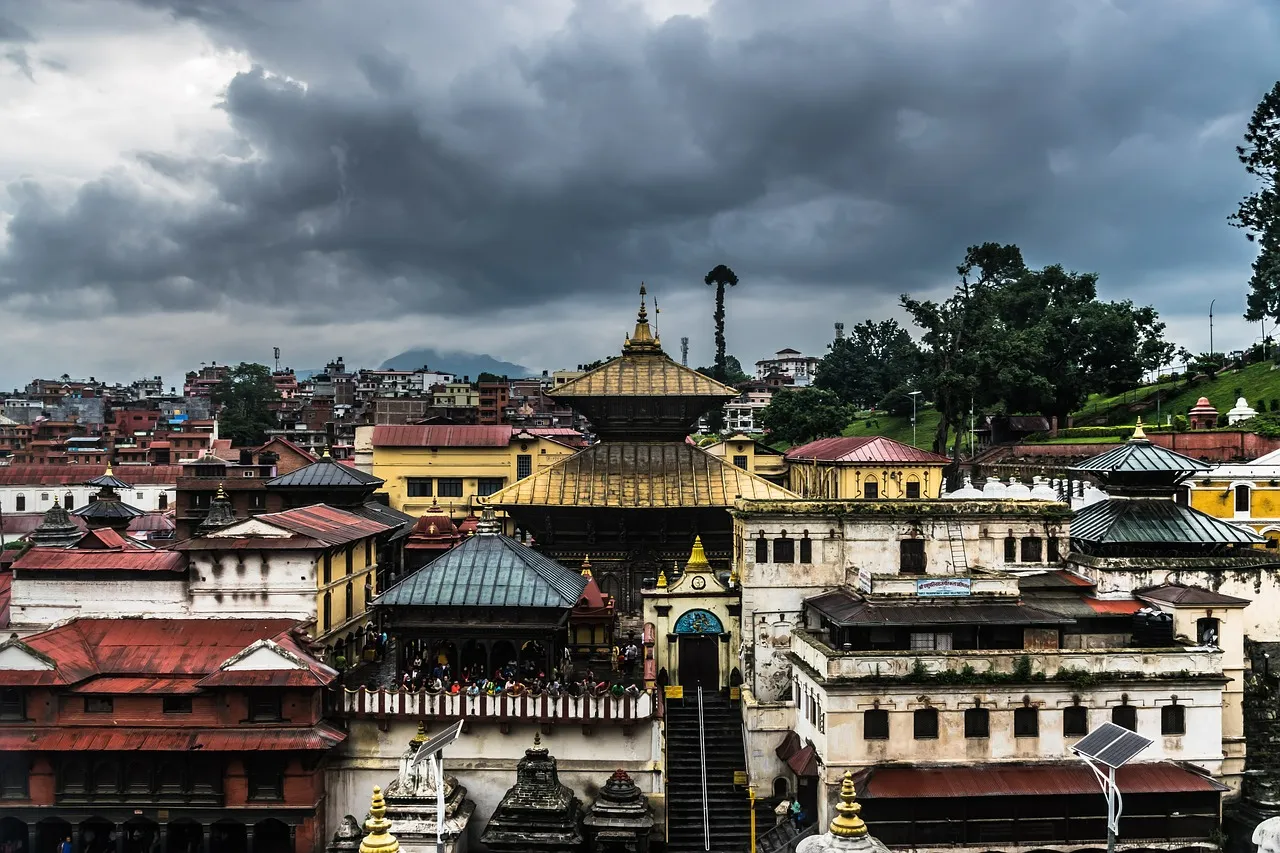
Silachahre Puja is a traditional festival celebrated in Nepal, especially by the Newa community in the Kathmandu Valley. This observance is connected to Maha Shivaratri, one of the most important Hindu festivals dedicated to Lord Shiva. While Maha Shivaratri is known across Nepal and India, Silachahre Puja is a unique local way Newa people honour Shiva, blending deep faith with cultural customs.
|
Fact |
Details |
|
What |
Silachahre Puja – Newa community festival linked to Maha Shivaratri |
|
When |
On the Chaturdashi (14th lunar day) of Falgun Krishna Paksha (February–March) each year |
|
Where |
Kathmandu Valley and the surrounding Newa settlements |
|
Main Focus |
Worship of Lord Shiva, community rituals, evening fire, and sharing prasad |
|
Key Rituals |
Fasting, evening fire offering, collecting Chekkey, and prasad sharing |
|
Popular With |
Children and community groups |
|
Also Called |
Sila Charhe (Newa name for the main Shivaratri night) |
|
Holiday Status |
Public Holiday |
Silachahre Puja (often spelled Sila Charhe) is a Newa cultural version of Maha Shivaratri, the “Great Night of Shiva.” This festival falls on the same lunar night as Maha Shivaratri, the most sacred night to honour Shiva in Hindu tradition.
Maha Shivaratri itself is observed on the Krishna Chaturdashi of Falgun and is dedicated to remembering Shiva’s role as the destroyer of ignorance, the cosmic dancer, and the source of renewal.
Si: Derived from Shiva, referring to Lord Shiva.
La: Refers to the month (specifically the lunar month of Magh or Falgun).
Charhe: Refers to Chaturdashi, the 14th day of the waning moon (Krishna Paksha).
Together, it signifies the 14th day of the waning moon in the month of late winter, dedicated to Shiva.
For the Newa people, Silachahre Puja is more than a religious event; it’s a cultural expression of devotion, community unity, and tradition. On this day:
Families and neighbors come together for ritual practices.
People fast through the day, showing self-discipline and respect for Shiva.
In the evening, they gather around a sacred fire, pray, and share prasad (distributed food offerings) with everyone.
The evening fire symbolizes light breaking through darkness, echoing the spiritual aim of Shivaratri to overcome ignorance and welcome spiritual awakening.
Devotees typically fast during the day, believing that self-control and restraint bring spiritual benefits. As people wait for the night, they focus on prayer and devotion to Shiva.
A distinct part of this event is the collection of voluntary money called “Chekkey”. Local groups often walk through streets asking for small contributions from passersby, drivers, and bikers. These funds are used to light the fire in the evening and provide offerings to the community.
As night falls, everyone gathers around the prepared fire, chanting prayers and songs in honour of Shiva. The fire lighting is a key ritual and brings the community together as a symbol of warmth, faith, and shared belief.
Once the fire is lit and prayers are offered, the fast is broken. Traditional foods like haluwa, puri, and swari are offered as prasad and shared among participants. This meal becomes a moment of joy and connection, especially for children who look forward to this social aspect of the festival.
Silachahre Puja reflects the rich heritage of the Newa people, who have their own lunar calendar and social traditions woven into mainstream Hindu practices. The festival brings out the festive spirit of the community, as neighbors collaborate, children play roles in collection and preparation, and families share in worship and meals.
Unlike large temple celebrations seen in places like Pashupatinath, where thousands gather from across Nepal and India, the beauty of Silachahre Puja lies in its community warmth and intimate rituals.
Silachahre Puja is a meaningful cultural celebration rooted in devotion to Lord Shiva and the rich Newa tradition. It combines fasting, prayers, communal gatherings, evening fire worship, and shared meals to create a festival that’s both spiritually uplifting and socially significant. Its unique rituals, like Chekkey and evening fire offerings, highlight the cultural diversity within Nepal’s broader Hindu festivals.
Whether you’re exploring Nepalese culture or learning about Hindu festivals, Silachahre Puja is a beautiful example of tradition, faith, and community spirit coming together in celebration.