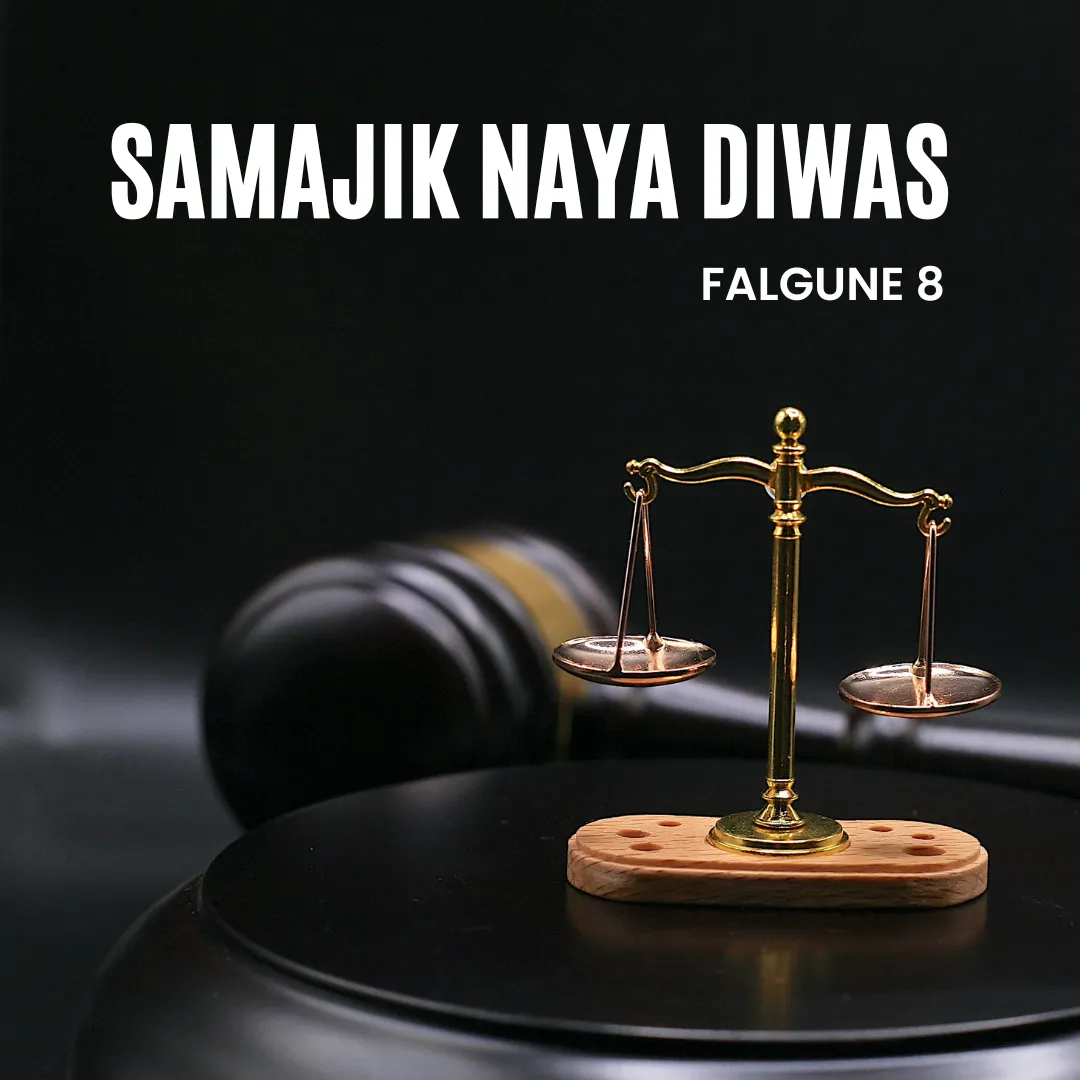
Samajik Naya Diwas, known internationally as World Day of Social Justice, is a meaningful occasion that highlights the importance of fairness, equality, and justice in society. Every year on Falgune 8(February 20), people around the world pause to think about how social justice impacts daily life and to encourage efforts that ensure equal opportunities for all individuals.
In Nepal, though it is not a national public holiday, this day is recognized by educators, civil society groups, students, and communities as a moment to reflect on challenges like discrimination, inequality, and exclusion that still affect parts of society.
| Fact | Details |
| English Name | World Day of Social Justice |
| Nepali Name | Samajik Naya Diwas / सामाजिक न्याय दिवस |
| Date | Falugun 8(February 20) |
| Celebrated By | Globally and recognized by many communities in Nepal |
| Purpose | To promote justice, equality, rights, and opportunities for all |
| Established By | United Nations in 2007 |
| Key Themes | Inclusion, equal opportunity, fair treatment |
| Holiday Status | Not a Public holiday |
Samajik Naya Diwas is rooted in the idea that every person deserves fairness and an equal chance to thrive in life. This means no one should face discrimination because of their gender, race, caste, religion, disability, or economic background. The United Nations General Assembly announced February 20 as World Day of Social Justice in 2007, urging member countries to recognize the ongoing need for social fairness around the globe.
The principle at the heart of this day is social justice — a belief that everyone should have equal access to rights, opportunities, and basic resources. It aims to challenge inequalities in education, job access, legal protections, and public services.
Social justice pushes societies to treat all people fairly, without bias or prejudice. This includes ensuring equal access to education, healthcare, jobs, and legal protections. In many parts of the world, including Nepal, gaps in access to these essentials persist due to inequality. Samajik Naya Diwas highlights the need to bridge those gaps.
Despite progress in many fields, inequality remains a challenge. Many people still lack basic opportunities because of where they were born, their family background, or societal structures. This day motivates collective action to reduce such disparities.
Inclusive societies are healthier, more peaceful, and more prosperous. On Samajik Naya Diwas, conversations focus on how to include marginalized communities, protect vulnerable groups, and create systems where no one is left behind.
The idea of celebrating a global social justice day came out of international efforts to reduce poverty and discrimination. In 2007, the United Nations General Assembly officially designated February 20 as World Day of Social Justice to call attention to worldwide inequality and encourage policies that promote inclusive development.
Since then, organizations, governments, NGOs, schools, and activists use this day to work on long‑term goals like human rights protection, gender equality, economic fairness, and opportunities for youth and disadvantaged groups.
Schools and colleges often hold discussions or essay contests about fairness and justice. These help young people think about equality and their role in society’s future.
Civil society groups may organize public dialogues, seminars, or workshops to discuss social inequalities, policies, and strategies for a fairer society.
On this day, activists and organizations launch campaigns to raise awareness about issues like gender discrimination, caste‑based bias, wage inequality, and social exclusion. These campaigns reach local and global audiences through social media.
Local communities might organize events that bring people together to share stories and ideas for building a more inclusive society. These gatherings strengthen understanding between different groups.
In Nepal, social inequality has roots in historical caste systems, regional differences, and economic gaps. While the constitution and national policies aim to protect equality and inclusion, many challenges remain in implementation. Samajik Naya Diwas provides a natural moment to reflect on these challenges and renew efforts for change. Schools, youth groups, and community organizations in Nepal have increasingly used this day to promote values like equality, respect, and equal opportunity. Even though it is not a public holiday, its message resonates in discussions about social rights and inclusion.
Samajik Naya Diwas is more than a date on the calendar. It is a reminder that fairness, equality, and justice are ongoing goals that require attention every day. When people understand each other’s challenges and work together for inclusive policies and attitudes, societies become stronger and more unified.
In Nepal and around the world, Samajik Naya Diwas inspires communities to reflect, act, and build a future where everyone’s rights and dignity are respected. As we think about fairness and opportunity for every individual, we contribute to a more just and compassionate world.