World No Smoking Day
World No Tobacco Day: History, Themes, Facts, and Global Significance
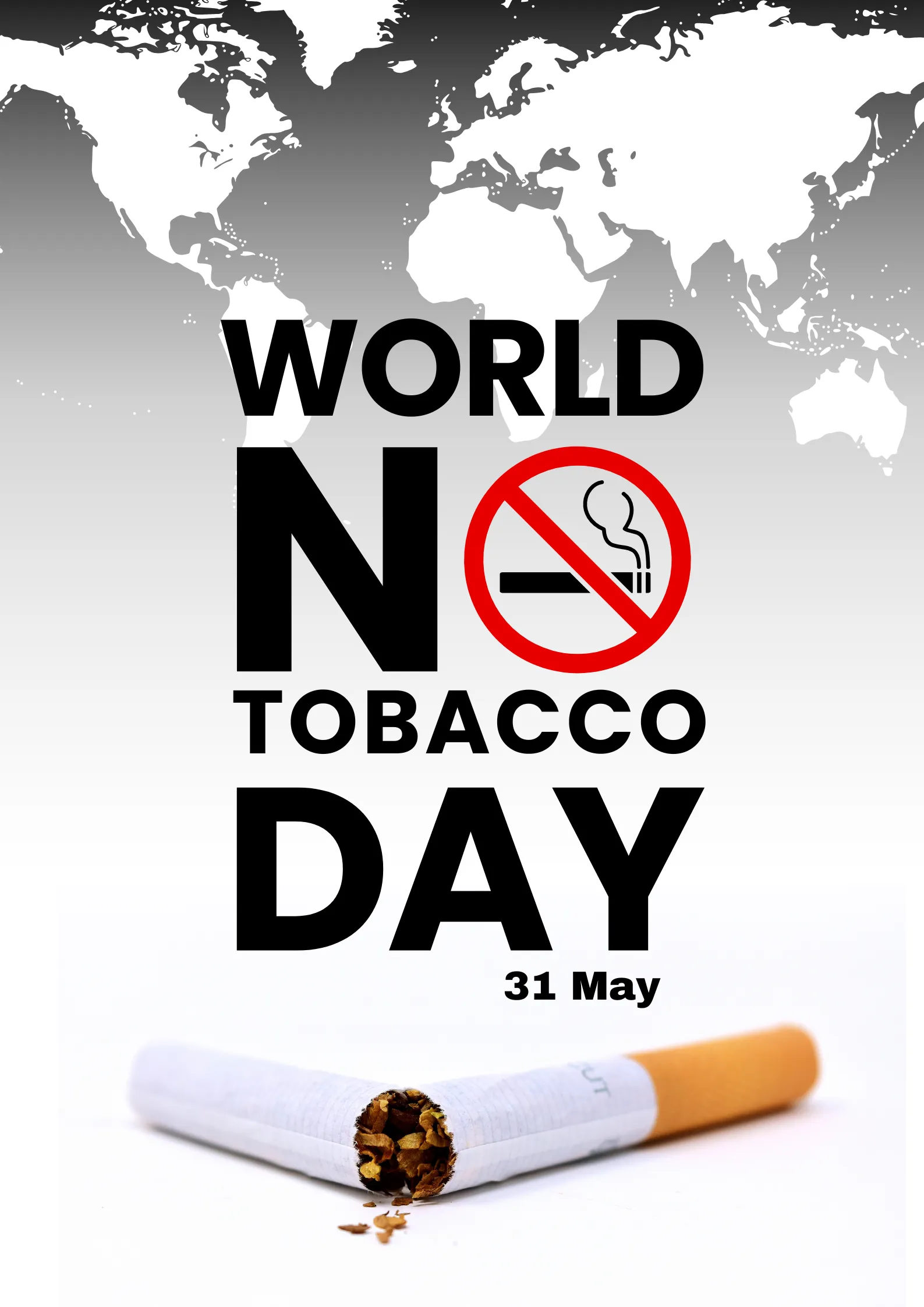
World No Tobacco Day is observed every year on May 31 to raise awareness about the harmful effects of tobacco use and to promote stronger tobacco control policies around the world. Led by the World Health Organization, this global health awareness day draws attention to one of the leading preventable causes of death worldwide.
Tobacco use affects millions of people through smoking, smokeless tobacco, and newer nicotine products such as e-cigarettes. Despite progress in many countries, the tobacco epidemic continues to cause serious health, economic, and environmental damage. World No Tobacco Day serves as a reminder that tobacco-related harm is preventable through education, regulation, and collective action.
Quick Facts About World No Tobacco Day
| Aspect | Details |
| Observed on | May 31 every year |
| Established | 1987 |
| First observed | 1988 |
| Organized by | World Health Organization |
| Global deaths annually | Over 8 million |
| Includes | Smoking, smokeless tobacco, and nicotine products |
| Key global treaty | WHO Framework Convention on Tobacco Control |
| Holiday status | Not a public holiday |
Background and History
World No Tobacco Day was established in 1987 by the World Health Assembly, the decision-making body of the World Health Organization. The first official observance took place in 1988. Since then, May 31 has become a globally recognized day for tobacco awareness and prevention.
The campaign was introduced at a time when scientific evidence clearly showed the severe health risks associated with tobacco use. Smoking was linked to lung cancer, heart disease, stroke, and chronic respiratory illnesses. However, tobacco advertising was still common in many countries, and public awareness about secondhand smoke was limited.
A major turning point came in 2003 with the adoption of the WHO Framework Convention on Tobacco Control. This international treaty became the first global public health agreement dedicated to reducing tobacco consumption. It provides a framework for countries to implement evidence-based measures such as:
-
Creating smoke-free public spaces
-
Requiring graphic health warnings on packaging
-
Banning tobacco advertising, promotion, and sponsorship
-
Increasing tobacco taxes
-
Providing support for people who want to quit
The treaty strengthened global cooperation and reinforced the importance of World No Tobacco Day as an advocacy platform.
Objectives and Significance
World No Tobacco Day has several key objectives:
-
Raise awareness about the health risks of tobacco use
-
Exposes tactics used by the tobacco industry
-
Encourage stronger tobacco control laws
-
Support individuals who want to quit
-
Protect children and youth from nicotine addiction
Tobacco not only harms individual health but also affects families and communities. Treatment of tobacco-related diseases places a heavy burden on healthcare systems. Lost productivity and medical costs create significant economic strain.
There is also an environmental dimension. Tobacco cultivation contributes to deforestation, soil degradation, and pesticide use. Cigarette waste is one of the most common forms of litter worldwide. By focusing on a new theme each year, the campaign highlights emerging challenges and keeps global attention on tobacco control efforts.
Themes of World Tobacco Day
Each year, the World Health Organization announces an official theme to guide global campaigns. Recent themes include:
-
2025: Unmasking the appeal: exposing industry tactics on tobacco and nicotine products
-
2026: Unmasking the appeal: countering nicotine and tobacco addiction
-
2024: Protecting children from tobacco industry interference
-
2023: Grow food, not tobacco
-
2022: Tobacco’s threat to our environment
-
2021: Commit to Quit
-
2020: Protecting youth from industry manipulation and preventing them from tobacco and nicotine use
-
2019: Tobacco and lung health
These themes reflect shifting global priorities, including youth protection, environmental sustainability, and the growing influence of new nicotine products.
Global Tobacco Facts
The scale of the tobacco epidemic highlights why this observance remains important.
-
Tobacco kills more than 8 million people each year worldwide.
-
Around 1.3 million non-smokers die due to exposure to second-hand smoke.
-
Smoking is a major cause of lung cancer and contributes to heart disease and stroke.
-
Most tobacco users begin before the age of 18.
-
Nicotine addiction can develop quickly, especially among young people.
Reducing tobacco use is considered one of the most effective public health interventions for preventing premature deaths.
WHO and UN Involvement
The World Health Organization leads World No Tobacco Day by setting the annual theme, publishing research findings, and providing campaign resources. Through the WHO Framework Convention on Tobacco Control, countries collaborate to implement global standards for tobacco regulation.
World No Tobacco Day also supports broader global health goals under the United Nations Sustainable Development Agenda. In particular, it contributes to Sustainable Development Goal 3, which focuses on ensuring healthy lives and promoting well-being for all.
International cooperation remains essential in addressing cross-border advertising, illicit trade in tobacco products, and the marketing of new nicotine devices.
How the World Observes the Day
World No Tobacco Day is observed through coordinated efforts at the national and local levels. Activities often include:
-
Public awareness campaigns
-
Educational programs in schools and universities
-
Free smoking cessation services
-
Policy discussions and announcements
-
Community health events
Governments may use this day to strengthen existing regulations or introduce new tobacco control measures. Health organizations frequently release reports showing progress and identifying remaining challenges.
Why World No Tobacco Day Still Matters
Although smoking rates have declined in some regions, tobacco remains a serious global health threat. The industry continues to promote alternative nicotine products and flavored items that appeal to younger consumers.
Digital marketing and social media have created new channels for advertising, making regulation more complex. Without sustained public awareness and strong enforcement of tobacco control laws, progress could slow. World No Tobacco Day reinforces the message that tobacco-related diseases are preventable. With consistent education, policy action, and individual commitment, millions of lives can be protected.
World No Tobacco Day is more than a symbolic observance. It is a global call to action against a preventable public health crisis. Since its first observance in 1988, the campaign has played a critical role in strengthening tobacco control policies and encouraging healthier choices.
Led by the World Health Organization and supported by governments and communities worldwide, this annual observance continues to push toward a future with fewer tobacco-related illnesses and deaths. A tobacco-free world is possible, but it requires ongoing awareness, strong policies, and collective responsibility.