
World Meteorological Day is celebrated every year on March 23rd. It commemorates the founding of the World Meteorological Organization in 1950. The organization became a UN specialized agency in 1951. This day celebrates weather forecasting, climate science, and atmospheric research.
| Date | 23 March |
| Duration | One day |
| Celebrated In | Countries worldwide |
| Observing Communities | Meteorologists, climate scientists, weather agencies |
| Type of Event | International / Awareness |
| Purpose of Event | To highlight the importance of meteorology and climate science |
| First Observed In | 1961 |
| Holiday Status | No holiday is provided |
World Meteorological Day is observed in 193 WMO member countries. National meteorological services coordinate events with the WMO headquarters in Geneva. Weather forecasting helps protect billions of people from natural disasters each year.
Weather Stations Host Open Days for Public Visits:
Meteorological centers welcome visitors to tour forecasting facilities
Scientists demonstrate weather prediction technologies and satellite systems
Interactive exhibits explain atmospheric processes and climate patterns
Children learn about weather instruments like thermometers and anemometers
Educational Programs Teach Climate Science and Weather Safety:
Schools organize lessons on weather phenomena and climate change
Workshops explain how meteorologists predict storms and severe weather
Communities learn disaster preparedness for hurricanes, floods, and heatwaves
Weather forecasting careers are promoted to students interested in science
Scientific Conferences Present Latest Atmospheric Research:
Meteorologists share findings on climate modeling and prediction accuracy
International collaboration improves extreme weather early warning systems
Research presentations cover topics from drought monitoring to air quality
Technology demonstrations showcase new weather satellites and radar systems
Social Media Campaigns Highlight Weather Service Importance:
WMO provides campaign materials translated into multiple languages globally
Meteorologists share interesting weather facts and forecast explanations
Historic weather events are remembered through photos and stories
Climate science communication helps the public understand the global warming impacts
Regional Celebrations Address Local Weather and Climate Concerns:
Tropical regions focus on monsoon forecasting and cyclone preparedness
Polar areas emphasize climate change impacts on ice and ecosystems
Drought-prone regions highlight water resource management and predictions
Coastal communities learn about sea level rise and storm surge risks
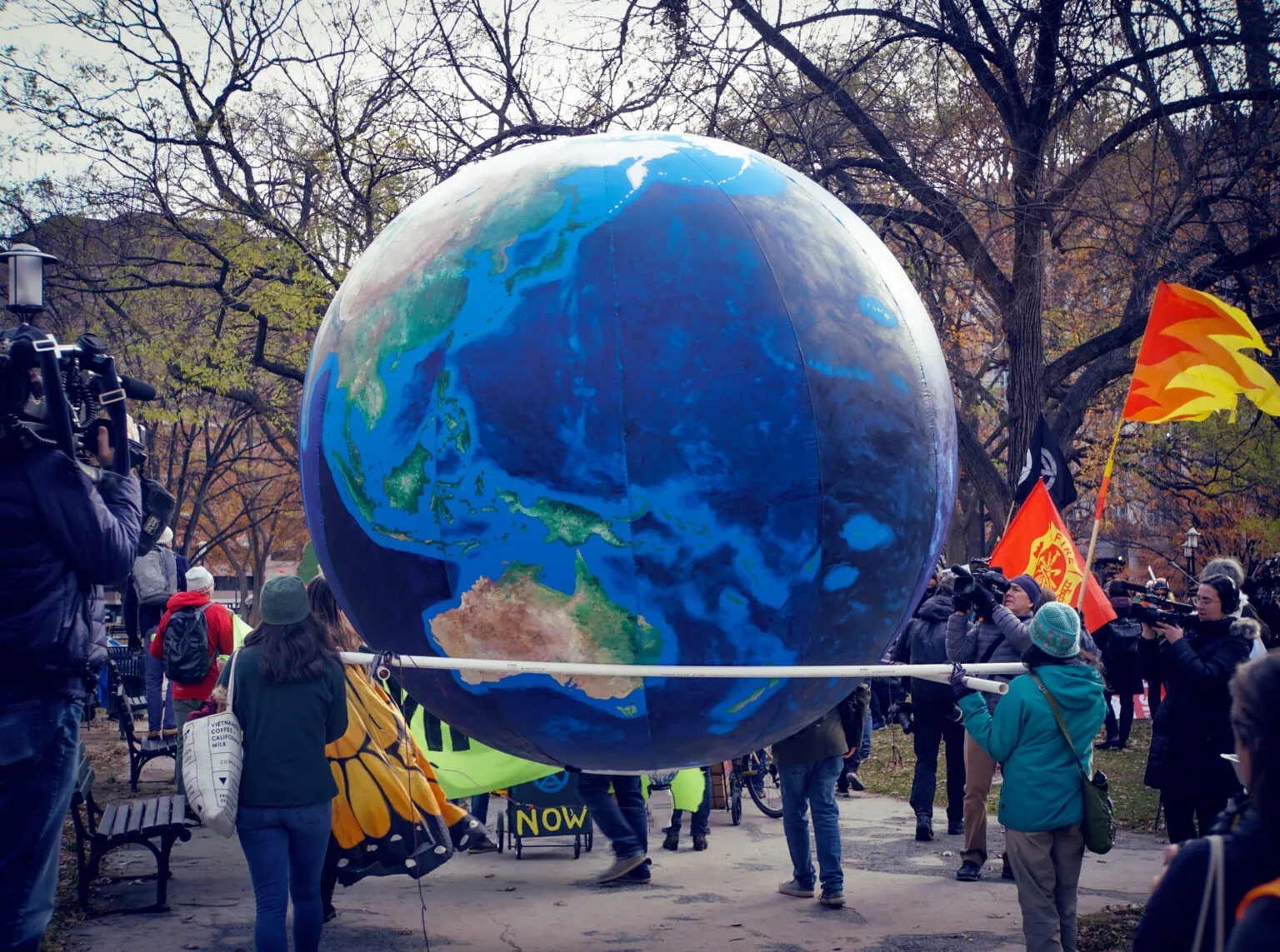
World Meteorological Day has important roots in international scientific cooperation. Weather knows no borders, requiring global coordination for accurate forecasts. After World War II, nations recognized need for unified standards. The World Meteorological Organization became champion of atmospheric science worldwide.
March 23, 1950 — WMO Convention Entered Into Force:
The International Meteorological Convention was ratified by 30 countries
This established the World Meteorological Organization as an intergovernmental body
The goal was to coordinate weather observations and data sharing
March 23 became WMO's founding date and annual celebration
1951 — WMO Became UN Specialized Agency:
United Nations recognized WMO as official specialized agency
Organization gained authority to coordinate global weather services
International standards for meteorological observations were established
Global data exchange networks began connecting all weather services
1960 — First World Meteorological Day Celebrated:
WMO designated March 23 as annual World Meteorological Day
First celebration raised awareness about meteorology's importance
Annual themes began highlighting specific weather and climate issues
Member countries organized events promoting meteorological services
1963 — World Weather Watch Launched:
WMO established comprehensive global weather monitoring system
Satellites, weather stations, and ships created worldwide observation network
Real-time data sharing revolutionized weather forecasting accuracy
International cooperation became foundation of modern meteorology
Present — Climate Change Dominates WMO Focus:
Early warning systems protect billions from extreme weather disasters
Climate monitoring tracks global warming and its regional impacts
WMO coordinates international climate assessments and policy guidance
Technology advances improve forecast accuracy and lead times continuously
World Meteorological Day began as simple celebration of WMO founding. It has evolved into major global science communication platform. Early themes focused on weather prediction and atmospheric observations. Modern campaigns address urgent climate change and disaster risk reduction. From professional meteorological event to public awareness catalyst worldwide.
World Meteorological Day teaches communities that weather forecasting saves lives. It builds understanding that climate science informs policy decisions. The day promotes meteorology as essential science for sustainable development.
Accurate Weather Forecasts Protect Lives and Property:
Early warnings for hurricanes, tornadoes, and floods prevent deaths
Aviation relies on weather forecasts for safe flight operations
Agriculture depends on seasonal forecasts for planting decisions
Marine forecasts protect ships and coastal communities from storms
Climate Science Informs Global Policy and Action:
Temperature and greenhouse gas monitoring tracks climate change progress
Climate predictions help governments plan adaptation strategies
Extreme weather attribution studies connect events to climate warming
International climate agreements rely on WMO data and assessments
Meteorology Offers Diverse Career Opportunities:
Operational forecasters work at weather services and private companies
Research scientists advance understanding of atmospheric processes
Broadcast meteorologists communicate weather information to public
Climate specialists advise governments on adaptation and mitigation
International Cooperation Benefits All Nations:
Small island nations receive cyclone warnings from global networks
Developing countries access satellite data and forecast models
Drought monitoring systems help coordinate humanitarian responses
Climate services support vulnerable communities in adaptation efforts
Follow official weather forecasts and heed severe weather warnings
Learn about weather phenomena and atmospheric science basics
Teach children about weather observation and climate science
Visit weather stations during open house events on March 23
Share accurate weather information from official sources only
Understand the difference between weather and climate correctly
Don't ignore severe weather warnings from meteorological authorities
Don't spread weather misinformation or unverified forecasts online
Don't confuse short-term weather with long-term climate trends
Don't underestimate the complexity of weather prediction science
Don't dismiss climate science based on single weather events
WMO was founded on March 23, 1950, by 30 countries
193 countries are now WMO members working together
World Weather Watch connects 15 satellites and 10,000 stations globally
Weather forecasting accuracy has improved dramatically over 50 years
Early warnings reduce disaster deaths by 30% in vulnerable regions
Every dollar invested in meteorology returns $10 in benefits