
World Water Day is observed every year on March 22nd. The United Nations introduced this day at the 1992 Rio Summit. It raises awareness about the global water crisis and sanitation issues. Over 2 billion people lack access to safe drinking water.
| Date | 22 March |
| Duration | One day |
| Celebrated In | Countries worldwide |
| Observing Communities | Environmental groups, governments, NGOs |
| Type of Event | International / Awareness |
| Purpose of Event | To emphasize the importance of freshwater conservation |
| First Observed In | 1993 |
| Holiday Status | No holiday is provided |
World Water Day is observed in countries worldwide with UN coordination. UN-Water leads campaigns with governments, NGOs, and communities globally. Water scarcity affects over 40% of the global population currently.
Water Conservation Campaigns Promote Sustainable Water Use:
Communities organize water-saving challenges and pledge campaigns
Educational materials explain household water conservation techniques
Water utilities offer free audits to reduce household consumption
Public awareness drives highlight the water footprint of daily activities
Educational Programs Teach Communities About Water Crisis:
Schools organize lessons on the water cycle and freshwater ecosystems
Workshops explain connections between water, sanitation, and health
Documentary screenings show global water challenges and solutions
Interactive exhibits demonstrate water purification and desalination technologies
Clean-Up Events Protect Water Sources from Pollution:
Volunteers clean rivers, lakes, beaches, and wetlands worldwide
Community groups remove plastic and waste from water bodies
Tree planting events protect watersheds and prevent soil erosion
Storm drain marking programs prevent pollution of water sources
Policy Advocacy Pushes for Universal Water Access:
UN releases annual World Water Development Report highlighting gaps
Civil society organizations petition governments for water infrastructure investment
Campaigns demand recognition of water as a fundamental human right
National water policies align with SDG 6 clean water targets
Social Media Campaigns Spread Water Awareness Globally:
Hashtags like #WorldWaterDay and #Water2025 trend across platforms
Organizations share water facts, conservation tips, and crisis stories
Photo campaigns document water challenges in different communities worldwide
Digital toolkits provide educational resources in multiple languages
Regional Activities Address Specific Local Water Challenges:
Africa focuses on expanding access to safe drinking water
Middle East emphasizes water scarcity and efficient irrigation techniques
Asia addresses groundwater depletion and water pollution problems
Small island nations highlight climate change and freshwater threats
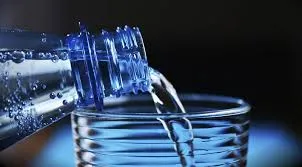
World Water Day has important roots in global environmental movement. The 1992 Earth Summit in Rio recognized freshwater crisis. Nations acknowledged water as finite resource requiring international cooperation. The United Nations became champion of water conservation worldwide.
1992 — UN Conference Recommended World Water Day:
Rio Earth Summit included water in Agenda 21 action plan
Conference recommended annual observance to raise water awareness
Member states recognized water scarcity as growing global crisis
December resolution formally established World Water Day observance
March 22, 1993 — First World Water Day Celebrated:
United Nations designated March 22 as annual World Water Day
First celebration focused on caring for our water resources
Member countries organized educational campaigns and events globally
Day emphasized water's essential role in sustainable development
2003 — International Year of Freshwater:
UN declared entire year dedicated to freshwater issues
Global focus intensified on water scarcity and management
World Water Day gained increased international recognition and participation
Major water conferences addressed governance and conservation challenges
2010 — UN Recognized Water as Human Right:
General Assembly resolution declared water and sanitation as rights
This milestone reinforced World Water Day's advocacy mission
Countries committed to ensuring universal access to safe water
Human rights framework strengthened water policy development worldwide
2015 — SDG 6 Established for Clean Water:
UN adopted Sustainable Development Goal 6 on water and sanitation
Target set to achieve universal water access by 2030
World Water Day became platform for monitoring SDG progress
Annual themes align with SDG 6 targets and priorities
World Water Day began as environmental awareness observance in 1993. It has evolved into major global advocacy platform today. Early themes focused simply on water conservation and pollution. Modern campaigns address water-climate connections, governance, and universal access. From single-day recognition to year-round water security movement.
World Water Day teaches communities that water is finite resource. It builds understanding that water access is fundamental human right. The day promotes sustainable water management for future generations.
Water Scarcity Affects Billions of People Worldwide:
2.2 billion people lack access to safely managed drinking water
4.2 billion people lack safely managed sanitation services globally
Water scarcity affects over 40% of global population currently
By 2025, half of world's population will live in water-stressed areas
Clean Water and Sanitation Prevent Disease:
Contaminated water causes cholera, typhoid, and diarrheal diseases
829,000 people die from diarrheal diseases linked to unsafe water
Proper sanitation and hygiene prevent spread of waterborne illnesses
Access to clean water reduces child mortality significantly worldwide
Water Connects to Food Security and Agriculture:
Agriculture accounts for 70% of global freshwater withdrawals
Efficient irrigation techniques conserve water while maintaining crop yields
Water scarcity threatens food production and rural livelihoods
Sustainable farming practices protect water resources for future use
Climate Change Intensifies Water Challenges:
Rising temperatures increase evaporation and alter precipitation patterns
Glaciers melting threaten water supplies for millions downstream
Extreme weather events cause floods and droughts more frequently
Water management must adapt to changing climate conditions urgently
Conserve water by fixing leaks and reducing unnecessary usage
Take shorter showers and turn off taps while brushing
Install water-efficient appliances and low-flow fixtures at home
Collect rainwater for gardening and outdoor use purposes
Support clean water projects and sanitation programs in communities
Participate in river and beach clean-up events regularly
Choose products and companies committed to water stewardship
Learn about your local watershed and water supply sources
Don't waste water through careless habits or ignoring leaks
Don't ignore water conservation even in areas with abundant supply
Don't assume clean water will always be available everywhere
Don't forget that virtual water is embedded in products
Don't overlook connections between water, energy, and food systems
Don't dismiss small actions because they seem insignificant individually
Don't pour hazardous materials down drains or into water
Understanding water crisis helps communities support conservation and access efforts:
2.2 billion people lack access to safe drinking water
4.2 billion people lack safely managed sanitation services globally
Agriculture uses 70% of global freshwater withdrawals for irrigation
829,000 people die yearly from unsafe water and sanitation
Only 0.5% of Earth's water is available freshwater for use
UN aims to achieve universal water access by 2030