
| Date | Chaitra Krishna Ekadashi (March 15, 2026) |
| Duration | One-day fasting event |
| Observance | National and Regional |
| Celebrated in | Nepal, India and Hindu communities worldwide |
| Observing Communities | Hindus, especially Vaishnavas and devotees of Lord Vishnu |
| Type of Event | Religious |
| Purpose of Event | To observe the sin-cleansing Ekadashi fast that absolves devotees of accumulated sins and karmic debts, preparing them for Chaitra Navratri and the Hindu New Year. |
| Holiday Status | No (Religious observance, not a public holiday) |
| First Observed in | Ancient period (Referenced in Bhavishya Purana, pre-1000 BCE) |
Quick Fact: Paapmochini literally means "remover of sins" in Sanskrit. According to the Bhavishya Purana, Sage Medhavi who had been entrapped by an Apsara named Manjughosha for 57 years sought redemption through this Ekadashi and was cleansed of all karmic burdens.
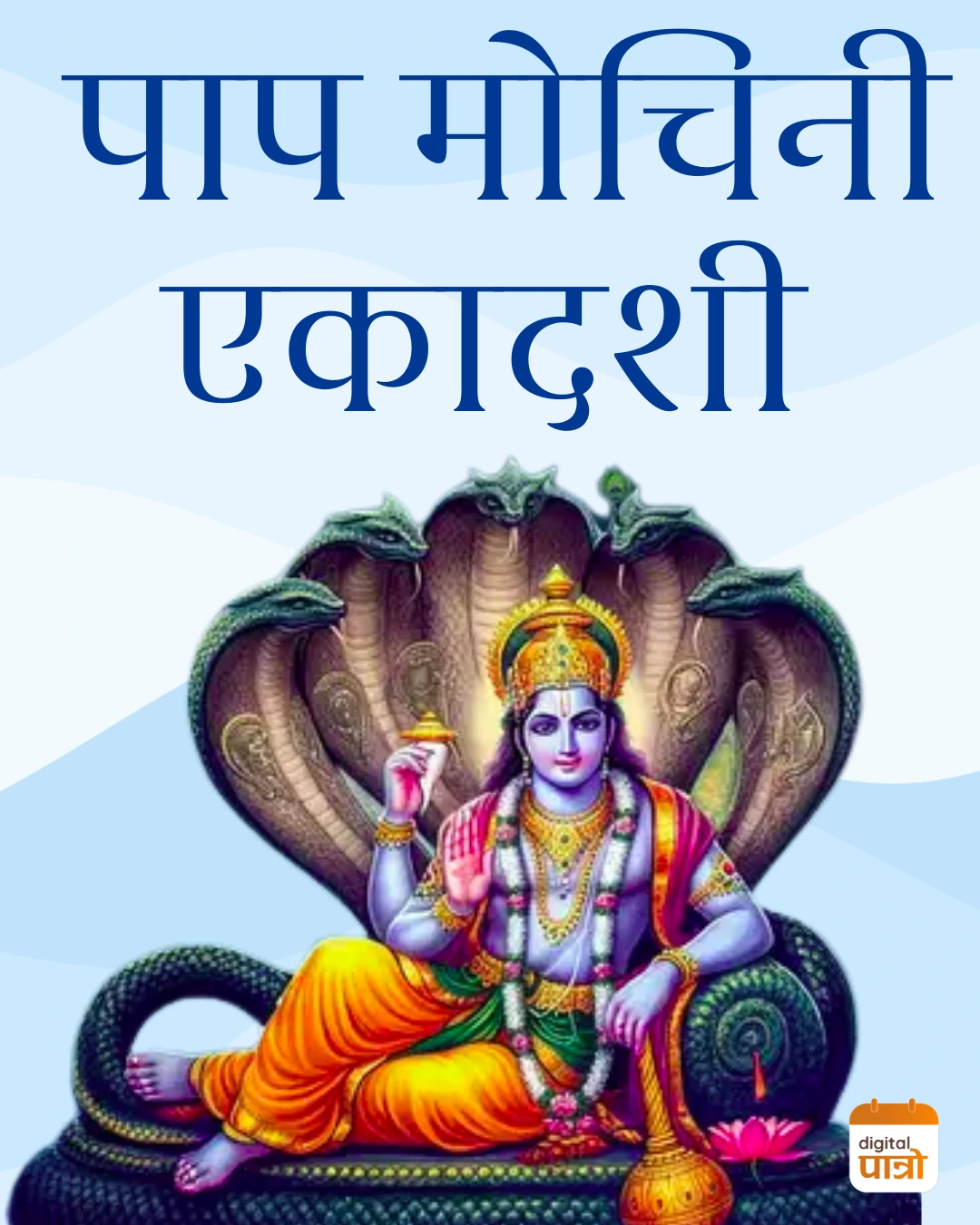
Paapmochini Ekadashi Brata is observed on the 11th lunar day (Ekadashi) of the dark fortnight (Krishna Paksha) in the month of Chaitra. The name "Paapmochini" derives from Sanskrit meaning "remover of sins" and this Ekadashi is considered one of the most powerful for absolving accumulated sins and karmic debts.
According to the Bhavishya Purana and Padma Purana, Lord Krishna narrated the glory of this vrat to King Yudhishthira, emphasizing its unparalleled power to absolve even the gravest sins. The mythology features Sage Medhavi who was tempted by an Apsara named Manjughosha and lived with her for 57 years in illusion. Upon realizing his lapse, the sage sought redemption through observing Paapmochini Ekadashi and was cleansed of all karmic burdens, restoring his spiritual merit (Tapobal).
This vrata is mainly observed to:
Cleanse devotees of accumulated sins and karmic debts through divine purification.
Prepare the soul for Chaitra Navratri and the Hindu New Year through spiritual renewal.
Promote moksha (liberation) and inner peace through self-discipline and fasting.
Restore spiritual merit (Tapobal) lost through transgressions and misconduct.
This vrata is observed through strict religious discipline:
Strict fasting that avoids grains, rice, lentils, onions and garlic throughout the day.
Devotees consume only fruits, nuts, milk or practice nirjala (waterless) fast.
Avoiding daytime sleep on Ekadashi and Dwadashi to preserve spiritual merit.
Temple visits for meditation on Lord Vishnu, prayers and receiving blessings.
Chanting of Ekadashi Mahatmya and Vishnu mantras throughout the fasting period.
This vrata is important for several reasons:
It is believed to dissolve even grave sins committed knowingly or unknowingly.
It marks the final purification before Navratri celebrations and the new year.
It is universally applicable to all devotees regardless of caste, creed or background.
The fasting promotes psychological purity, emotional balance and mental peace.
It reinstates individual adherence to righteousness and cosmic order (dharma).
Paapmochini Ekadashi Brata offers devotees a powerful opportunity for spiritual cleansing before the Hindu New Year. By observing this fast with sincerity and devotion to Lord Vishnu, devotees believe they can shed the weight of accumulated sins and begin a fresh chapter of righteous living.