
World Theatre Day is celebrated every year on March 27th. The International Theatre Institute introduced this day in 1961 globally. It celebrates theatre's contribution to culture, peace, and mutual understanding. Every year, a prominent theatre figure delivers an international message.
| Date | 27 March |
| Duration | One day |
| Celebrated In | Countries worldwide |
| Observing Communities | Theatre artists, performers, drama students, cultural institutions |
| Type of Event | International / Awareness |
| Purpose of Event | To promote theatre arts and highlight their importance in culture and society |
| First Observed In | 1962 |
| Holiday Status | No holiday is provided |
World Theatre Day is observed in over 100 countries worldwide. The International Theatre Institute coordinates celebrations with UNESCO support globally. Millions of theatre professionals, students, and audiences participate in events.
International Message Inspires Theatre Communities Globally:
ITI selects a prominent theatre personality to write the annual message
The message is translated into 50+ languages and distributed worldwide
Past messengers include Nobel laureates, directors, and renowned actors
Messages address the theatre's role in society, peace, and cultural exchange
Theatre Performances Showcase Diverse Cultural Traditions:
Professional theatre companies stage special performances on March 27th
Community theatres offer free or discounted tickets to audiences
Street theatre and outdoor performances bring art to public spaces
Traditional and contemporary works celebrate theatrical diversity globally
Educational Programs Engage Students in Theatre Arts:
Drama schools organise open days and workshop demonstrations
Universities host symposia on theatre history and contemporary practices
Schools stage student productions and drama competitions nationwide
Master classes by renowned artists teach acting, directing, and stagecraft
Awards and Recognition Honour Outstanding Theatre Contributions:
National theatre organisations present lifetime achievement awards
The best production, actor, director, and playwright awards are announced
Emerging artists receive recognition and support for their work
Theatre festivals coincide with World Theatre Day celebrations
Social Media Campaigns Spread Theatre Appreciation Worldwide:
Hashtags like #WorldTheatreDay trend across all digital platforms
Theatre companies share behind-the-scenes content and production photos
Artists post tributes to mentors and influential theatre figures
Virtual performances reach global audiences through streaming platforms
Regional Celebrations Reflect Local Theatre Traditions:
Europe emphasises classical theatre heritage and contemporary innovations
Asia showcases traditional forms like Noh, Kabuki, and Sanskrit drama
Africa celebrates oral storytelling traditions and community-based theatre
America highlight Broadway, regional theatre, and indigenous performance traditions
Middle East preserves ancient theatrical traditions and modern expressions
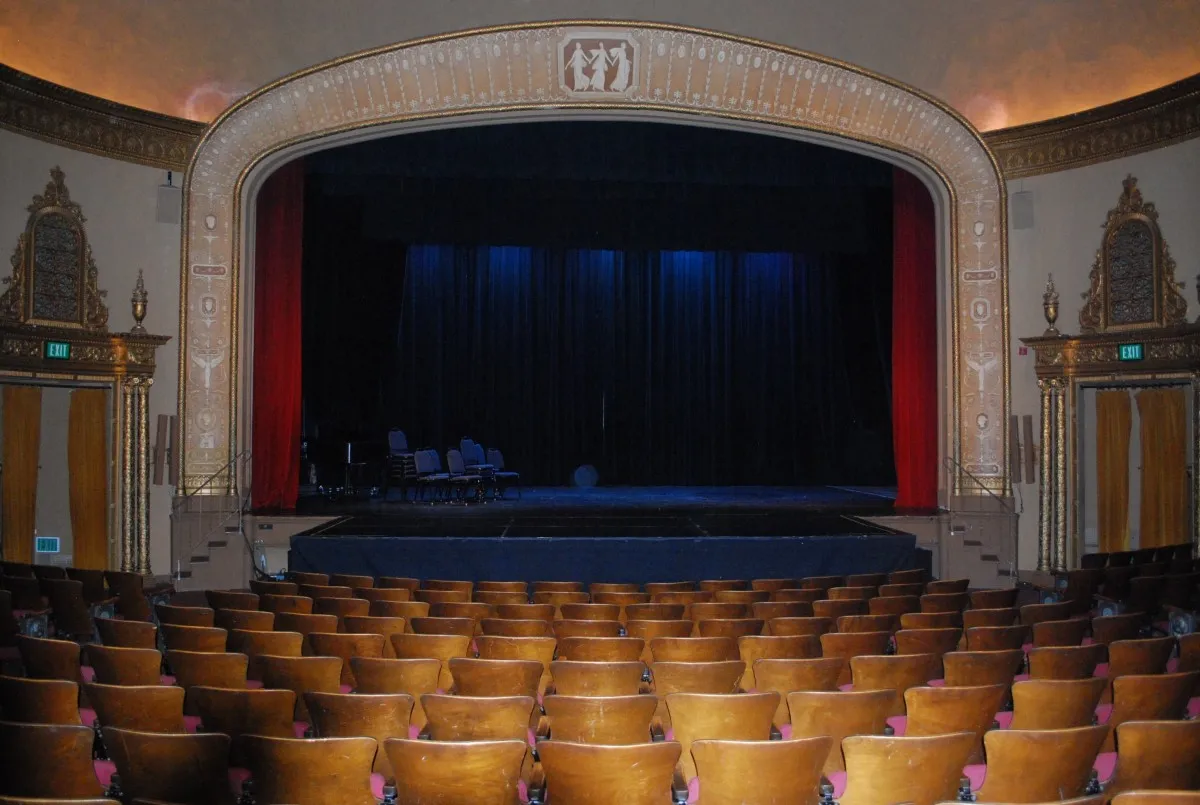
World Theatre Day has important roots in international cultural cooperation. After World War II, nations recognised art's power for peace. Theatre emerged as a universal language transcending borders and differences. The International Theatre Institute became advocate for theatrical arts globally.
1948 — The International Theatre Institute Was Founded:
UNESCO established ITI in Prague, Czechoslovakia, after World War II
The goal was to promote the international exchange of theatrical knowledge
ITI became a centre for theatre organisations from all countries
Headquarters later moved to Paris, France, for better global access
1961 — First World Theatre Day Was Celebrated:
ITI declared March 27 asthe annual World Theatre Day
First celebration aimed to unite theatre communities around the world
Finnish author and playwright Jean Cocteau delivered the first international message
Day emphasised theatre's contribution to peace and mutual understanding
1962 — International Message Tradition Began:
Jean Cocteau wrote the inaugural World Theatre Day message
This established tradition of annual messages by prominent figures
Messages address the theatre's social, cultural, and political significance
Translated messages reach theatre communities on every continent
2002 — World Theatre Day for Children Established:
ASSITEJ designated March 20 as World Theatre Day for Children
This expanded focus to include young audiences and education
Children's theatre gained recognition as vital art form
Both days now celebrate theatre's importance across all ages
Present — Digital Age Transforms Theatre Celebration:
Virtual performances reach audiences unable to attend physical venues
Social media amplifies World Theatre Day messages to millions
Streaming platforms make theatre accessible to global audiences
Hybrid celebrations combine in-person and online events successfully
World Theatre Day began as post-war cultural peace initiative. It has evolved into major global celebration of arts. Early focus was simply promoting international theatrical exchange and cooperation. Modern celebrations address theatre's role in social justice and change. From single-day recognition to catalyst for year-round theatrical advocacy.
World Theatre Day teaches communities that theatre is essential art. It builds understanding that performance connects humanity across cultures. The day promotes theatre as tool for education and transformation.
Theatre Preserves Cultural Heritage and Traditional Stories:
Ancient performance traditions pass down through generations via theatre
Folk tales, myths, and historical events live through dramatic interpretation
Indigenous communities preserve languages and customs through theatrical performance
Classical works connect contemporary audiences to literary and cultural heritage
Performance Arts Develop Critical Life Skills:
Acting builds confidence, communication skills, and emotional intelligence
Theatre teaches teamwork, discipline, and creative problem-solving abilities
Students develop empathy by exploring different characters and perspectives
Public speaking and presentation skills improve through performance experience
Theatre Addresses Social Issues and Promotes Dialogue:
Contemporary plays explore pressing social, political, and environmental issues
Theatre provides safe space for discussing controversial topics openly
Documentar y theatre gives voice to marginalized communities and stories
Performance art challenges audiences to question assumptions and biases
Theatre Industry Supports Millions of Livelihoods Worldwide:
Actors, directors, playwrights, designers, and technicians earn income
Theatre districts drive tourism and economic development in cities
Educational theatre programs employ thousands of teaching artists
Supporting industries include costume, lighting, sound, and set design
Attend a live theatre performance on or around March 27th
Read the annual World Theatre Day international message online
Volunteer at community theatres or theatre festivals near you
Donate to theatre education programs and arts organisations
Explore different theatrical traditions from various cultures worldwide
Attend free readings, workshops, or open rehearsals offered
Advocate for arts funding and theatre education in schools
Don't underestimate theatre's importance in education and culture
Don't assume theatre is only entertainment without deeper meaning
Don't overlook community and experimental theatre in your area
Don't ignore the financial struggles many theatre artists face
Don't dismiss theatre as outdated in the digital age
Don't forget that theatre requires audience participation and support
Theatre dates back over 2,500 years to ancient Greece
First World Theatre Day was celebrated in 1961 by ITI
International message tradition began in 1962 with Jean Cocteau
Broadway shows generate billions in economic impact yearly
London's West End is one of the world's premier theatre districts
Theatre festivals attract millions of visitors worldwide each year