
| Date | Ashadh Shukla Paksha (July 25-29, 2026) |
| Duration | Five-day fasting event |
| Observance | National (Nepal) |
| Celebrated in | Nepal and India, observed at homes and temples |
| Observing Communities | Hindu women of all ages and communities |
| Type of Event | Religious |
| Purpose of Event | To observe a five-day fast dedicated to Goddess Parvati (Gauri) for marital bliss, husband's longevity and finding an ideal life partner. |
| Holiday Status | No (Community and family observance, not a public holiday) |
| First Observed in | Ancient period (Puranic era, documented in medieval texts) |
Quick Fact: Gauri Wrata is dedicated to Goddess Parvati who undertook severe penance for years to win the love of Lord Shiva. Hindu women observe this five-day fast to seek blessings for marital harmony, husband's longevity and an ideal life partner.
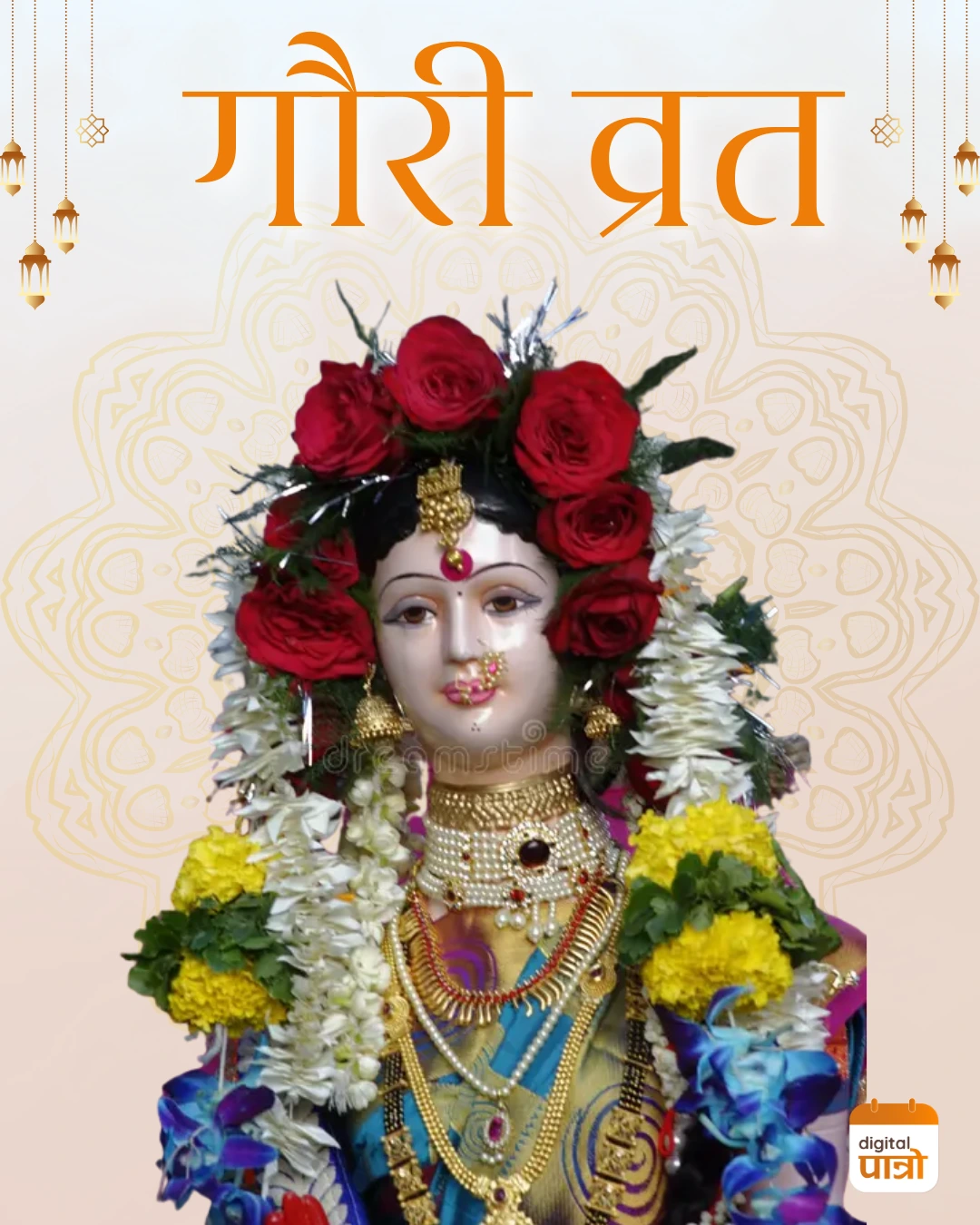
Gauri Wrata, also known as Jaya Parvati Vrata, is a five-day fasting observance dedicated to Goddess Parvati (also called Gauri) celebrated during the Ashadh month. This ancient tradition is primarily observed by Hindu women — both unmarried girls seeking an ideal husband and married women praying for their husband's longevity and marital harmony.
According to Hindu mythology, Goddess Parvati undertook severe penance and tapasya (ascetic practices) for years to win the love and companionship of Lord Shiva. Her unwavering devotion, purity and spiritual discipline eventually led to their divine union. The Gauri Wrata celebrates this eternal love story and the power of divine feminine devotion. The festival embodies the ideals of sacrifice, devotion and virtuous femininity that have been passed down through generations.
This vrata is mainly observed to:
Seek divine blessings for an ideal husband and happy marriage for unmarried women.
Pray for husband's health, longevity and a successful married life for married women.
Cultivate qualities of purity, devotion, patience and sacrifice.
Celebrate the divine love of Shiva and Parvati as a model for relationships.
This vrata is observed over five consecutive days through strict practices:
On the first day, javaara (wheat seeds) are planted in a small bowl and watered daily.
Fasting involves abstaining from salt, tomatoes, spices and regular vegetables.
Only wheat flour, milk, ghee, fruits and dairy products are consumed.
On the fifth day, an all-night vigil (jagran) is observed with prayers and devotional singing.
Harvested javaara (sprouted seedlings) are offered at temples, symbolizing growth and blessed union.
This vrata is important for several reasons:
Goddess Parvati's penance symbolizes ultimate devotion and sacrifice in love.
The fasting discipline develops tolerance, patience and self-control.
It teaches family harmony, respect and conjugal duty through mythological example.
It celebrates feminine spiritual power and women's agency in seeking blessings.
Mothers teach daughters traditional values through this shared observance across generations.
Gauri Wrata is a cherished tradition that celebrates the power of devotion, patience and love through the story of Goddess Parvati. For Hindu women in Nepal, this five-day observance is a time of spiritual discipline, prayer and hope for marital blessings, keeping alive a tradition that has connected generations of women through shared faith and devotion.