
| Date | Baisakh 1 (April 14, 2026) |
| Duration | Throughout Baisakh month |
| Observance | National (Nepal) |
| Celebrated in | Nepal, river ghats, temples and sacred water bodies |
| Observing Communities | Hindus across all communities in Nepal |
| Type of Event | Religious |
| Purpose of Event | To mark the beginning of the sacred bathing season in Baisakh month, symbolizing spiritual purification and new beginnings with the Nepali New Year. |
| Holiday Status | Yes (Nepali New Year - Public Holiday) |
| First Observed in | Ancient period (Pre-Vedic solar calendar tradition) |
Quick Fact: Baisakh Snan Praarambha coincides with the Nepali New Year and marks the beginning of a month-long sacred bathing tradition. According to Hindu belief, the river goddess Ganga descended to Earth during Baisakh, making bathing in sacred rivers especially auspicious during this period.
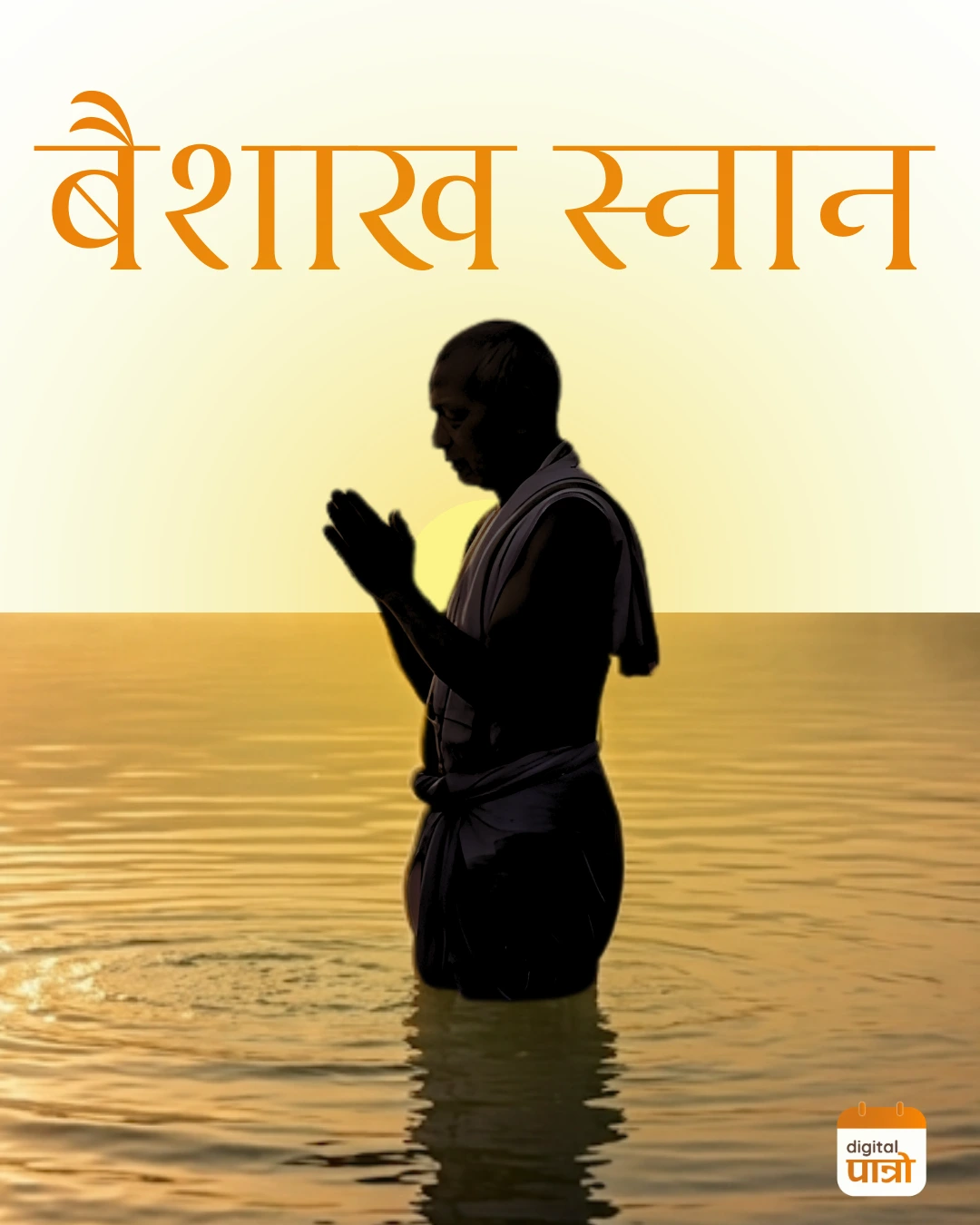
Baisakh Snan Praarambha marks the commencement of the sacred bathing season as the Baisakh month begins on Baisakh 1, which falls on April 14, 2026. This date coincides with the Nepali New Year and represents the sun's entry into Aries (Mesh Rashi), marking the beginning of the solar new year. The sacred bathing tradition during Baisakh is considered highly auspicious for spiritual purification and is observed by Hindus across Nepal.
The tradition of Baisakh Snan has its roots in ancient Vedic and pre-Vedic solar calendar practices. According to Hindu belief, the river goddess Ganga descended to Earth during the month of Baisakh, making bathing in sacred rivers especially auspicious during this period. The Bagmati River flowing through Kathmandu becomes a major pilgrimage destination as devotees believe that ritual bathing during Baisakh washes away sins and brings prosperity for the new year.
This observance is mainly followed to:
Commence the sacred bathing season with purification rituals in holy rivers.
Inaugurate the Hindu New Year with spiritual cleansing and fresh beginnings.
Honor the goddess Ganga and seek her protective grace and blessings.
Invoke agricultural prosperity and abundance for the new year ahead.
This tradition is observed through various rituals:
Devotees bathe in sacred rivers such as the Bagmati, Gandaki and other holy water bodies before sunrise.
Ritual purification is performed with prayers and mantras during the bathing.
Temple offerings of flowers, incense and prayers are made at riverside temples.
Families purchase new clothes and items to mark the fresh start of the new year.
New ventures and projects are initiated on this auspicious day.
This observance is important for several reasons:
It marks the solar new year and aligns personal spiritual cycles with the cosmic calendar.
It honors the sacred rivers as divine purifying forces in Hindu tradition.
Bathing in sacred water is believed to absolve past karmic debts and sins.
It provides a definitive moment for personal and spiritual renewal.
It synchronizes human activities with agricultural cycles and the changing seasons.
Baisakh Snan Praarambha is a sacred tradition that connects the Nepali New Year with spiritual purification through holy bathing. As devotees immerse themselves in sacred rivers on Baisakh 1, they begin a new year with cleansed spirits and renewed hope, continuing a tradition that has been observed for thousands of years in Nepal.