Poushamaa paakyaa,
Maaghamaa khakyaa.
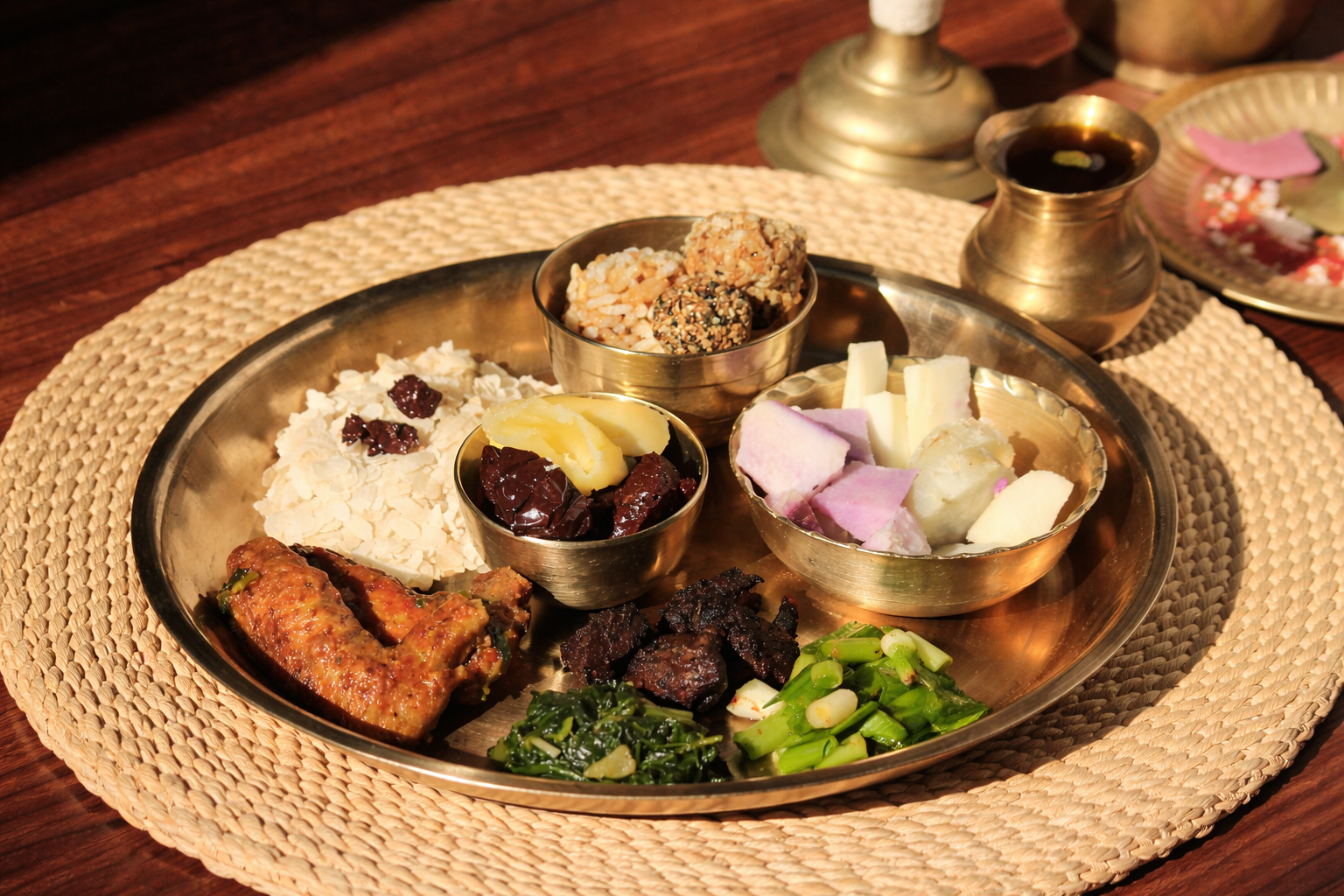
Early winter morning, you sense the mild aroma of ghiu, chaku, laddu, and tarul coming to your room. That is what a Maghi morning feels like. Maghe Sankranti ( Makar Sankranti or Maghi in other words ) falls on the first day of the month of Magh in the Nepali calendar. Typically falling on January 14 or 15, it marks the end of the winter solstice. This also means that it signals the beginning of longer and warmer days.
This festival also marks the beginning of the northward movement of the sun, known as Uttarayana. This day also symbolizes the harvest season, along with renewal and purification.
Maghi is celebrated all over Nepal as one of the major festivals. People from both the Terai and the Hilly region observe it with great enthusiasm. Millions of people across Nepal celebrate it, with participation from Hindu, Buddhist, and other communities. People gather at pilgrimage sites to worship on this day.
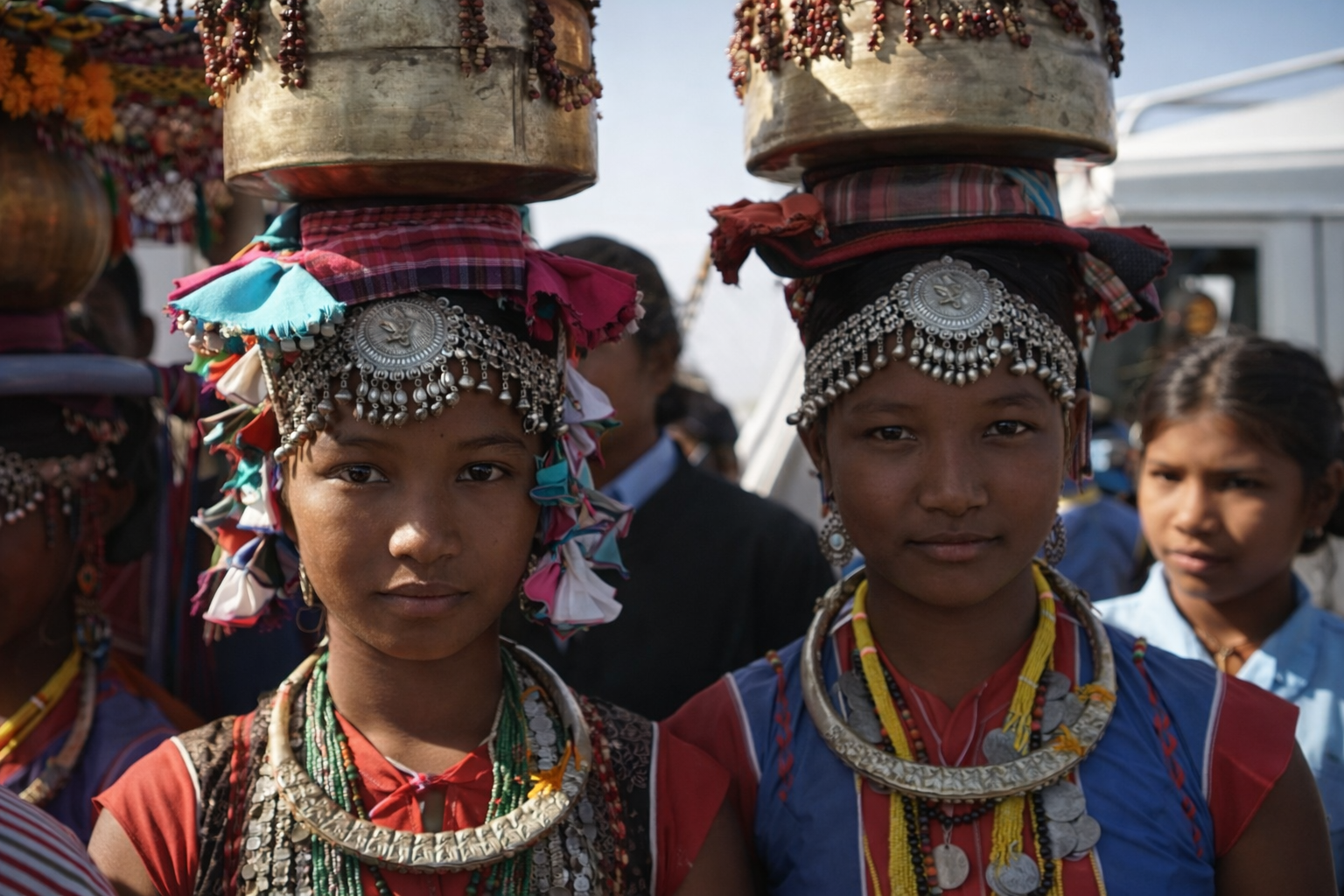
In the Terai region, the Tharu community celebrates this day as their new year. Tharu communities in Dang, Chitwan, Banke, Bardiya, Kailali, and Kanchanpur celebrate their new year. People from the Tharu community also prepare a special food product called Dhikri. It is a special Tharu dish consisting of rice-flour balls served with chutneys and curry.
Other than that, people from all over Nepal prepare food items like Til ko laddu (sesame sweet), Murmurri (puffed rice ball), and eat them with Ghee, Chaaku, Yam, and Sweet Potato. Maghe Sankranti is also called “Ghyu chaku khane din” because of this. The food eaten on this day provides the body with a lot of energy and carbohydrates to help it deal with the winter cold.
Other than the food items, another major attraction for this festival is the fairgrounds and carnivals. Various communities organize fairs and amusement activities on this day. In Nuwakot, a small village known as Taruka is famous for hosting a large-scale bull-fighting competition. People from Nuwakot and nearby places who own bulls participate in this competition. This symbolizes strength, bravery, and the agricultural importance of bulls.
Primarily, the following communities celebrate Maghe Sankranti:
Tharu Community: Maghe Sankranti is the beginning of the new year in the Tharu Community. They observe it with a week-long festivities and celebrations. Selection of community leaders like Bhalmansa (judge), Gauruwa (healer), and Chirag (guard). Jhumra and Lathi dances are performed.
Brahmin and Chhetri Communities: Religious observance with ritual baths and worship, tradition of eating Khichdi.
Newar Community: Celebrated as "Ghya Chaku Sanhlu," which means "ghee and molasses day," is the preparation of Yomari.
Magar Community: Major annual festival for them. Dancers perform Maruni and Sorathi dances. People call their married daughters back home and host feasts.
Kirat Community: Maghi is known by the name of Yala Theche in their language.
Rai and Sunar Communities: Known as Sami Pidar, observed with traditional songs and dances.
This plays an important role in preserving ethnic/ cultural identity. On this day, elders pass on knowledge about the festival and traditions to the younger generation. Parents teach their children about the food preparation techniques of this day.
Many different ways of celebration and practices of celebrating have been developed over time. Social media engagement has increased rapidly. People share festival photos and videos on social media along with virtual greetings to their relatives. Various posters, video clips, and hashtags get popular on this day. People are also seen performing yoga and ayurvedic camps. In urban areas, this festival is more organized and commercialized with public events, media coverage, and a mixture of traditional and contemporary elements. In rural areas, however, deeply rooted traditional observance prevails with homemade preparations and strong family and communal bonding. This preserves the authenticity of the festival as well as strengthens community cohesion.
The festival’s footsteps track back to ancient Vedic traditions, which focus on the solar calendar and solar worship. Sankranti basically means the first, or the beginning, and is specified as an auspicious day.
It began as a sun worship tradition that recognized the solar transition. This tradition happened to align with Hellenic mathematics at around 300 CE. Later, in the Epic period, the Mahabharata mentioned this festival in its storyline. Along with time, this has developed into the modern era as a continued celebration with both traditional and contemporary elements.
There are basically three myths about the origin of the Maghe sankranti. However, two of them are the most repeated.
Bhishma Pitamah Story (from Mahabharata):
Bhishma Pitamah, son of river Ganga and King Shantanu, possessed the power of Iccha Mrityu (voluntary death)
During the great Kurukshetra war, he was struck by Arjuna's arrows and lay on a bed of arrows
He chose to leave his mortal body on Maghe Sankranti day during the Uttarayana period
Belief: Those who die on this day attain Moksha (liberation from the cycle of birth and rebirth)
Til Madhav Narayan Legend (Bhaktapur):
A merchant in Bhadgaon (now Bhaktapur) traded in sesame seeds
His stock of sesame never ran out, which fascinated him
While cleaning his stockpile, he discovered an idol of Lord Vishnu beneath the seeds
The deity started being known as Til Madhav Narayan
Belief: Worshipping this deity brings food, prosperity, and wealth
This day marks the beginning of hotter days and the northward movement of the sun. The sun transits from Dhanu Rashi (Sagittarius) to Makara Rashi (Capricorn). The rule of Saturn (Shani) begins from this day. This day is also the end of Dakshinayana, which runs from mid-July to mid-January. The length of the day begins to increase slightly from this day.
The Muhrats and timings for the upcoming Maghe sankranti are listed below:
Date:
Friday, January 15, 2027
Magh 1, 2083 BS
Punya Kaal Muhurat:
07:15:13 to 12:30:00 (January 15, 2027)
Duration: 5 Hours 14 Minutes
This is the auspicious time for holy bath, worship, and charitable activities.
Maha Punya Kaal Muhurat:
07:15:13 to 09:15:13 (January 15, 2027)
Duration: 2 Hours
This is the MOST auspicious time period for all religious activities.
• Sesame farmers earn premium prices as demand increases dramatically before the festival. Vegetable sellers enjoy higher prices for yams, sweet potatoes, and spinach during this season.
•Tokha village produces about 70% of Nepal's chaku (molasses), employing hundreds of families. This traditional industry generates millions of rupees annually during the festival period.
•Hotels near pilgrimage sites like Devghat and Pashupatinath become fully booked due to the festival. The festival attracts both domestic and international tourists.
•Transport rental services see their revenue increase as thousands travel to sacred rivers and pilgrimage sites.
•Sweet shops, street vendors, and traditional food makers experience their biggest sales season. Textile stores selling traditional clothing also see increased business.
•Local people who sell puja items, decorative goods, and handmade sweets earn significant income, especially benefiting rural communities and traditional craftmen.
• Take a Holy Bath: Wake up early and bathe in sacred rivers to cleanse sins and bring good fortune.
• Eat Traditional Foods: Consume til ko laddu, chaku, ghee, yam, and sweet potatoes for warmth and tradition.
• Give to Charity: Donate food, clothes, or money to the poor and needy for spiritual merit.
• Spend Time with Family: Visit elders, gather with relatives, and share sweets with neighbors.
• Don't Pollute Rivers: Avoid throwing plastic or waste into sacred rivers during ritual baths.
• Don't Skip Morning Rituals: Don't miss the sunrise worship and traditional practices on this auspicious day.
• Don't Be Negative: Avoid anger, harsh words, or conflicts; focus on positive energy and new beginnings.
• Don't Waste Food: Share excess traditional foods with others instead of throwing them away.