Thursday, October 11, 2000
World Sight Day is observed every year on the second Thursday of October. This global health day raises awareness about blindness and vision impairment worldwide. Over 2.2 billion people live with some form of vision impairment today. Most of these cases are preventable or treatable with timely care.
| Date | Second Thursday of October |
| Duration | One Day |
| Celebrated by | Health organizations, governments, NGOs, schools, and communities worldwide |
| Type of Event | Awareness and health advocacy event |
| Purpose of Event | Raise awareness about eye health and prevent avoidable blindness |
| Holiday Status | Not an official holiday |
| First Celebrated in |
|
World Sight Day is observed in more than 100 countries globally. IAPB, WHO, and 200+ member organizations lead campaigns each year. Millions of people participate through events, pledges, and social media.
Free Eye Screening Camps:
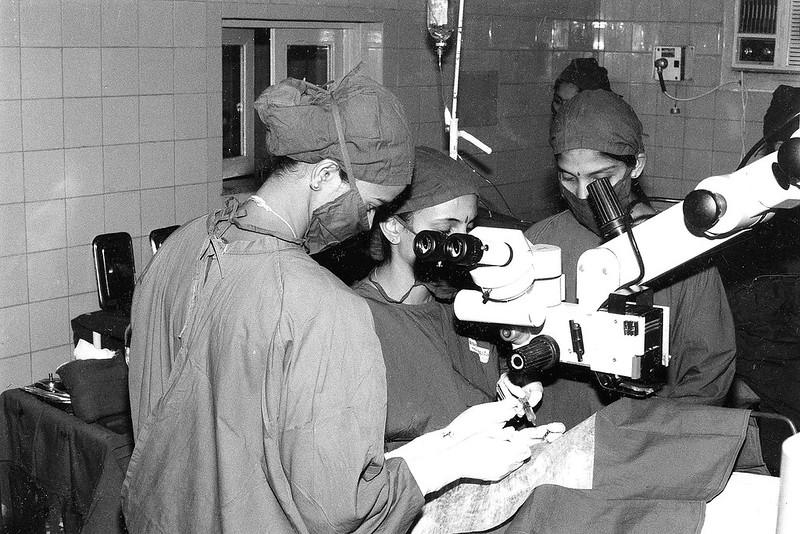
Hospitals and clinics offer free eye check-ups for communities
Cataract surgeries are conducted at low or no cost
Affordable glasses are distributed to those who need them
Mobile eye clinics reach rural areas with no local access
Educational Programs:
Schools conduct vision awareness sessions and activities
Children receive eye health activity kits from IAPB
Teachers learn to identify early signs of vision problems
Colleges and universities host seminars and awareness workshops
Digital and Social Media Campaigns:
Millions share posts using #LoveYourEyes and #WorldSightDay
IAPB offers ready-made social media templates for free use
Global ophthalmic webinars connect experts from 38+ countries
Online pledges to book eye exams are collected by IAPB
Advocacy and Policy Events:
Meetings with health ministers and government officials are held
Parliamentary eye screening events are organized in various countries
Eye health petitions submitted to decision-making bodies
The World Sight Day Global Challenge targets policy rooms directly
Regional Celebrations:
Developed countries focus on workplace eye safety campaigns
South Asia and Africa run cataract surgery and glasses camps
Urban areas organize hospital-based events and corporate drives
Rural communities receive support from mobile outreach teams
World Sight Day's roots go back to the Lions Club International Foundation. The SightFirst Campaign began raising awareness about blindness around 1988. The World Health Organization and IAPB launched VISION 2020 in 1999. The first official World Sight Day was observed on October 12, 2000.
2000: First World Sight Day organized by Lions Club International Foundation; WHO and IAPB incorporated it into VISION 2020 to eliminate avoidable blindness.
2005: “The Right to Sight” became the first official theme; annual themed global advocacy began.
2015: IAPB launched the World Sight Day Annual Photo Competition; winning photos were showcased globally to inspire action.
2021: #LoveYourEyes campaign launched; it grew into a major global eye health movement reaching millions.
World Sight Day began as a Lions Club awareness event in 2000. It quickly grew under the WHO and the IAPB into a global movement. The focus expanded from cataracts to include glaucoma, diabetes, and childhood blindness. Digital campaigns and the #LoveYourEyes initiative transformed their reach. Today, it influences governments, classrooms, and workplaces every October worldwide.
World Sight Day teaches communities that most blindness is preventable. It builds a culture of regular eye check-ups and early action. The day empowers individuals to protect their vision at every age.
Moral Values and Community Bonding:
Compassion grows for those without access to eye care
Equity in healthcare becomes a shared community responsibility
Doctors, NGOs, families, and governments unite each October
International partnerships strengthen local eye care systems
What Children and Families Learn:
Importance of regular eye exams from a young age
The 20-20-20 rule to rest eyes during screen time
Eating vision-supporting foods like carrots and leafy greens
Wearing UV-protective sunglasses when going outdoors
Awareness for Adults:
Vision impairment affects work, income, and quality of life
Adults over 50 are the most vulnerable age group globally
Women make up 55% of all visually impaired people worldwide
Early treatment can prevent total blindness in most cases
Get a regular eye exam at least once every one to two years
Wear UV-protective sunglasses when going outdoors always
Eat a diet rich in Vitamin A, omega-3, and antioxidants regularly
Book eye exams for children before they start school
Know your family's history of eye conditions and diseases
Sign the IAPB Sight Test Pledge on World Sight Day online
Don't skip eye exams even if your vision seems perfectly fine
Don't ignore symptoms like blurry vision, pain, or floaters
Don't rub your eyes repeatedly, as it can cause injury
Don't stare at screens for hours without taking regular breaks
Don't share eye drops, contact lenses, or eye makeup ever
World Sight Day reminds us that vision is a right, not a privilege. Simple actions like booking an eye exam can change lives forever. Sharing awareness on social media costs nothing but helps millions. Supporting eye care charities funds surgeries, glasses, and training worldwide.
Every person can contribute to ending preventable blindness today. Encourage your family, friends, and colleagues to love their eyes. Together, we can build a world where no one loses sight of need.