
Every year on January 1, people across the world welcome the New Year. It marks the beginning of a new calendar year under the Gregorian calendar system and is widely seen as a moment of renewal, reflection, and fresh hope. While today it feels natural to start the year on January 1, this was not always the case. The origin of the New Year celebration has evolved over thousands of years, shaped by ancient civilizations, calendars, religion, and global standardization.
The International New Year is now recognized in most countries, regardless of local calendars or cultural traditions. It acts as a shared global pause, a moment when the world collectively steps into a new chapter.
|
Observed on |
January 1 |
|
Calendar used |
Gregorian Calendar |
|
Early origins |
Ancient Mesopotamia (Babylonian era) |
|
January 1 made official |
Roman reforms under Julius Caesar (46 BCE) |
|
Named after |
Janus, Roman god of beginnings |
|
Nature of event |
International / Civil observance |
|
Common symbols |
New beginnings, hope, renewal |
|
Celebrated in |
Most countries worldwide |
The idea of marking the beginning of a new year goes back over 4,000 years. One of the earliest records comes from ancient Mesopotamia, where the Babylonians celebrated a festival called Akitu around the vernal equinox (spring) in March. This festival included prayers, rituals, and celebrations to honor gods and welcome the coming year.
Different early civilizations chose their own meaningful times for the new year:
Egyptians celebrated when the Nile flooded, marking new life.
Persians used the spring equinox (Nowruz).
Early Greeks sometimes began the year near the winter solstice
These dates were closely tied to agriculture, seasons, or religious life, not to the fixed calendar we use today. This highlights the history of the New Year and the origin of New Year celebrations.
The idea of starting the year on January 1 began with the Roman calendar:
Originally, the Roman calendar had 10 months and began in March. Later, King Numa Pompilius added January and February to the calendar, making it more complete.
By 153 BCE, Roman officials started their civil and political duties on January 1, which led people to treat this date as a practical start of the year.
In 46 BCE, Julius Caesar made a major change by introducing the Julian calendar, a solar-based system that replaced the old lunar calendar. He kept January 1 as the legal start of the year. This was partly because this month was named after Janus, the two-faced Roman god of beginnings and transitions, a perfect symbol for looking back at the past and ahead to the future.
This section explains why January 1 is the New Year and connects it to the modern Gregorian calendar New Year.
After the fall of the Roman Empire, the start of the year was not consistent across Europe. Some regions celebrated the New Year on March 25 (Feast of the Annunciation), while others linked it to religious festivals such as December 25 (Christmas).
This confusion continued for centuries until 1582, when Pope Gregory XIII introduced the Gregorian Calendar. This calendar corrected errors in the Julian system and clearly restored January 1 as New Year’s Day.
Over time, countries across the world adopted the Gregorian calendar for civil use. As a result, January 1 became the internationally recognized start of the year.
The New Year represents more than just a date change.
For many people, January 1 feels like a clean slate. It is a chance to reflect on the past year and move forward with new goals, hopes, and intentions.
People often look back on achievements, challenges, and lessons learned. This reflection helps give meaning to the idea of starting again.
The practice of making New Year’s resolutions has ancient roots. Early civilizations made promises to gods for good behavior in the coming year. Today, resolutions are personal commitments to improve health, habits, or life goals. This shows the significance of the International New Year in personal and cultural life.
Although customs vary, some traditions are common across many countries:
Countdowns at midnight on December 31
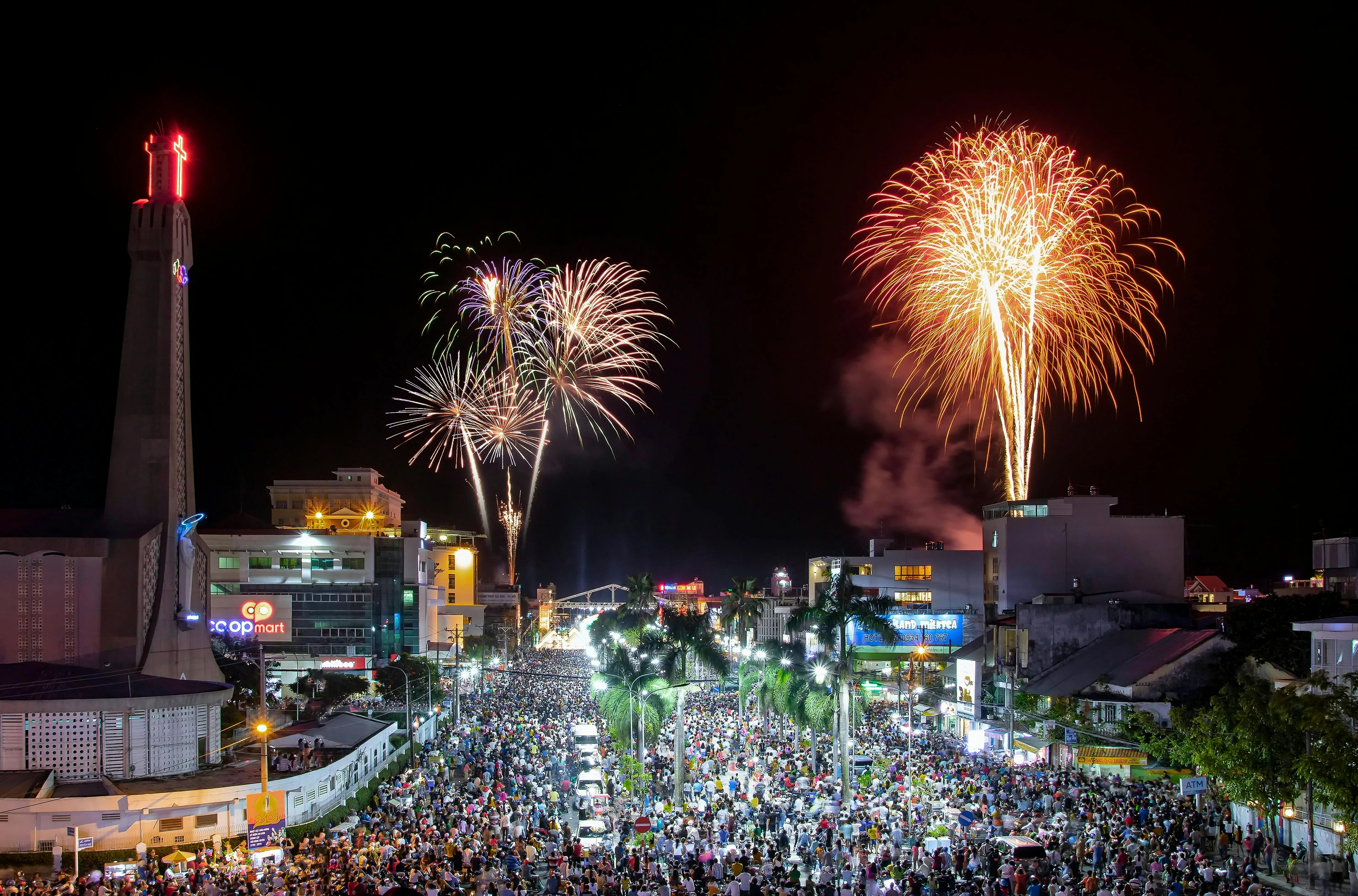
Fireworks and public celebrations
Family gatherings and parties
Music, dance, and festive meals
Major cities around the world host iconic events, such as large public countdowns and fireworks displays. These represent global New Year traditions, highlighting the worldwide celebration of the International New Year.
While January 1 is the international civil New Year, many cultures also celebrate their own traditional New Year based on different calendars.
Celebrated in countries like China, Korea, and Vietnam, the Lunar New Year follows a lunisolar calendar and usually falls between late January and February. It focuses on family, renewal, and cultural traditions.
Nowruz is celebrated around the spring equinox in March and marks the beginning of the new year in Persian culture. It symbolizes rebirth, balance, and harmony with nature.
In Nepal, the traditional New Year, also known as “Naya Barsa,” follows the Bikram Sambat (B.S.) calendar and begins on Baisakh 1, usually in mid-April. While the International New Year is observed on January 1 (A.D.), the Nepali New Year holds strong cultural and national importance.
These celebrations show that while dates may differ, the core idea of welcoming a new beginning remains universal and highlights the origin of the New Year celebration worldwide.
In the modern world, the International New Year plays an important role:
It provides a common time reference for governments, businesses, and institutions
It encourages people to pause, reflect, and plan
It creates a shared global moment that connects cultures across borders
Even in countries with their own traditional calendars, January 1 is widely acknowledged as a global milestone. This shows the International New Year's significance in today’s interconnected world.
New Year's Day is more than just the first day of the calendar. It is a tradition shaped by ancient civilizations, refined by calendar reforms, and embraced by the modern world as a symbol of renewal and hope.
From early agricultural festivals to today’s worldwide celebrations, the New Year reflects a timeless human desire to begin again. As January 1 arrives each year, it reminds us that time moves forward and with it comes the chance to grow, change, and start fresh.