
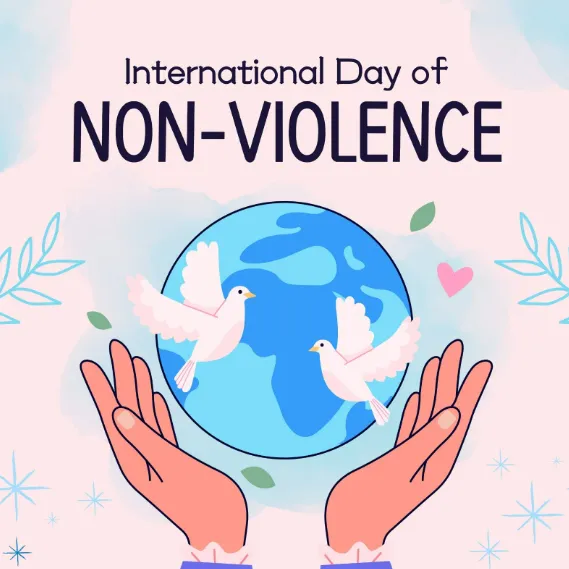
The International Day of Non-Violence is observed annually on 2 October, marking the birth anniversary of Mahatma Gandhi, a global symbol of peace and non-violent resistance. This day promotes tolerance, understanding, and conflict resolution without violence. In a world still facing wars, social unrest, and discrimination, the observance reminds us of the power of peaceful actions and dialogue.
Non-violence is more than the absence of conflict; it is a proactive approach to creating harmony and justice. The day encourages individuals, communities, and nations to embrace these values for a more peaceful and fair society. It demonstrates that meaningful change can be achieved through understanding, compassion, and collective effort rather than force.
| Fact | Details |
| Name | International Day of Non-Violence |
| Date | 2 October (annually) |
| Established by | United Nations General Assembly |
| First Observed | 2007 |
| Origin | Birth anniversary of Mahatma Gandhi |
| Purpose | Promote global peace and non-violent conflict resolution |
| UN Resolution | A/RES/61/271 |
| Observed by | UN Member States and communities worldwide |
| Symbolic Themes | Peace, tolerance, understanding, education |
| Public Holiday | Not a public holiday |
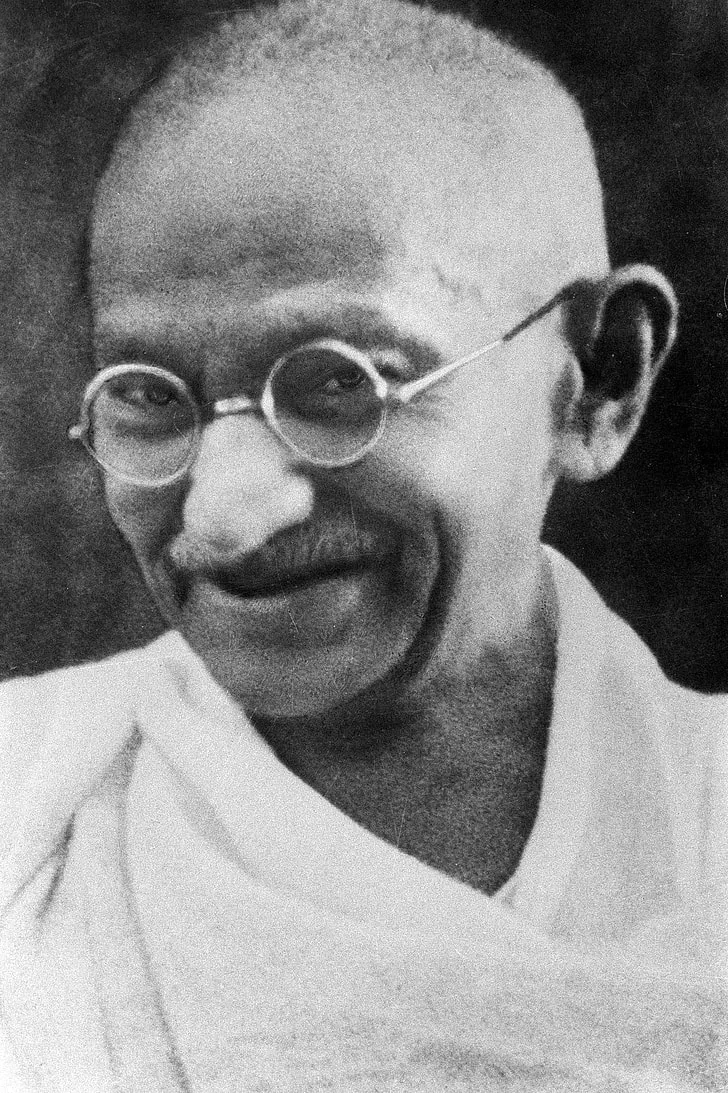
The day coincides with the birthday of Mohandas Karamchand Gandhi, born in 1869 in India. Known as the “Father of the Nation” in India, Mahatma Gandhi became an international symbol of non-violence through his leadership in India’s independence movement. His philosophy, Ahimsa, emphasized resisting oppression without harming others. Gandhi’s approach inspired social and political movements worldwide, proving that non-violent methods can create significant societal change.
In June 2007, the United Nations General Assembly adopted Resolution A/RES/61/271, officially declaring 2 October as the International Day of Non-Violence. The UN highlighted education and awareness about non-violence, peacebuilding, and tolerance as tools to address global conflicts. Governments, organizations, and individuals are encouraged to mark the day with public campaigns, educational programs, and community events.
Mahatma Gandhi’s teachings have influenced leaders across the world. Martin Luther King Jr. in the United States and Nelson Mandela in South Africa applied non-violent resistance to fight racial injustice and promote civil rights. Today, Gandhi’s philosophy remains a key strategy for dialogue, conflict resolution, and building cohesive societies.
| Year | Theme / Focus |
| 2025 | Peace through Dialogue and Mutual Respect |
| 2024 | Non-Violence for Sustainable Development |
| 2023 | Promoting Tolerance and Understanding |
| 2022 | Education for Peace and Non-Violence |
| 2021 | Building Back Better Through Non-Violence |
| 2020 | Non-Violence in a Time of Global Crisis |
| 2019 | Celebrating Gandhi’s Legacy of Peace |
These themes consistently emphasize peaceful conflict resolution, education, and societal harmony.
Promotes Peaceful Conflict Resolution: Encourages resolving disputes without aggression or harm.
Fosters Tolerance and Understanding: Highlights respect for different opinions, cultures, and beliefs.
Inspires Education for Peace: Motivates schools, universities, and organizations to teach non-violent problem-solving.
Addresses Modern Challenges: Encourages combating online aggression, misinformation, and societal conflicts with dialogue and empathy.
Strengthens Communities: Adopting non-violent practices helps communities become more cohesive, resilient, and harmonious.
Educational Programs: Schools and universities conduct seminars, workshops, and discussions on Gandhi’s philosophy and non-violent conflict resolution.
Public Campaigns: Governments and NGOs organize awareness drives, media campaigns, and social media initiatives to promote peace.
Cultural and Community Events: Plays, exhibitions, and public speeches showcase Gandhi’s life and the values of non-violence.
Individual Actions: People reflect on their behavior, practice peaceful communication, and support local harmony initiatives.
Global Participation: Communities around the world share resources, stories, and strategies for non-violent approaches to societal and political issues.
Online Peace Campaigns: Social media movements like #BeKindOnline promote kindness and discourage online aggression.
Youth-Led Movements: Students organize peace clubs and workshops to address local issues such as bullying or environmental activism without confrontation.
Community Mediation Programs: NGOs train volunteers to mediate neighborhood disputes, promoting calm resolution without escalation.
International Collaboration: Global youth programs allow participants from conflict-affected regions to share strategies for non-violent problem-solving, fostering cross-cultural understanding.
These initiatives show that non-violence is not just a historical philosophy but a practical, modern approach to resolving conflicts and building stronger communities.
The International Day of Non-Violence is more than a commemorative day; it is a call to action. By practicing non-violence, dialogue, and tolerance, individuals and communities contribute to a more peaceful and just world. Gandhi’s legacy reminds us that lasting change comes through understanding, empathy, and collective effort, not force. Observing this day encourages reflection on our role in promoting peace and inspires proactive steps toward resolving conflicts without harm.
“An eye for an eye will leave the whole world blind.” - Mahatma Gandhi