
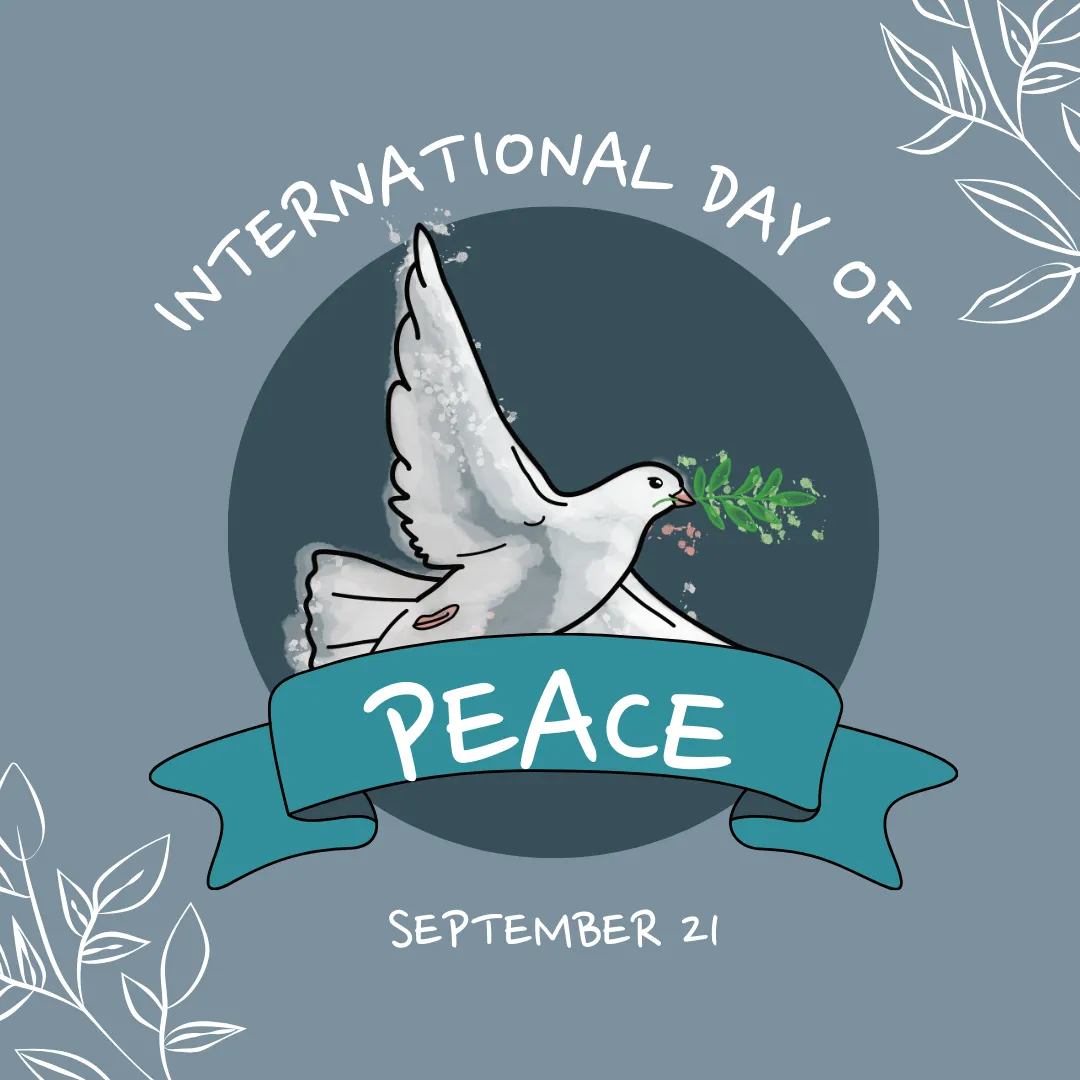
Every year on 21 September, people around the world celebrate the International Day of Peace, also known as World Peace Day. This day is dedicated to promoting non-violence, understanding, and cooperation among all nations and communities.
In today’s world, conflicts, social unrest, and global challenges remind us that peace is more than the absence of war. It requires active effort to build understanding, justice, and equality. The International Day of Peace encourages individuals and nations to take concrete steps toward creating a safer and more harmonious world.
| Aspect | Details |
| Official Name | International Day of Peace |
| Also Known As | World Peace Day |
| Observed On | 21 September every year |
| Established By | United Nations General Assembly |
| First Observed | 1982 |
| Global Significance | Promotes peace, non-violence, and cease-fire |
| Celebrated In | Countries worldwide |
| Typical Activities | Peace events, educational programs, dialogues, advocacy |
| Holiday status | Not a public holiday |
The International Day of Peace was first established by the United Nations General Assembly in 1981. Its main purpose was to dedicate a day to raising awareness about peace, non-violence, and conflict resolution worldwide.
The first observance took place in September 1982, focusing on symbolic gestures of unity and non-violence, including public discussions, community peace marches, and educational events.
In 2001, the UN officially fixed the date to 21 September each year and encouraged nations to observe a 24-hour period of non-violence and cease-fire wherever possible. Since then, the day has grown into a global platform for promoting peace initiatives.
The International Day of Peace represents a collective commitment to a more harmonious world. It encourages individuals, organizations, and governments to:
Promote understanding and respect across cultures and nations
Encourage dialogue and cooperation instead of conflict
Educate communities about human rights, equality, and non-violence
Inspire individuals to take daily actions that contribute to peace
Peace is active, not passive. It involves building societies that respect justice, protect human rights, and embrace equality.
Each year, the United Nations chooses a theme to highlight a key aspect of peace. Themes guide governments, organizations, and individuals in planning events and educational initiatives.
Previous Themes by Year:
2015: Partnerships for Peace
2016: Action for Peace
2017: Together for Peace
2018: The Right to Peace
2019: Climate Action for Peace
2020: Shaping Peace Together
2021: Recovering Better for Peace
2022: End Racism. Build Peace
2023: Inclusive Peace for All
2024: The Right to Peace
2025: Act Now for a Peaceful World
This list shows the continuing focus of the UN on education, human rights, sustainability, and social equality as key drivers for peace.
The International Day of Peace is significant because it:
Promotes Solidarity: Encourages nations and communities to stand together for peace
Encourages Non-Violence: Reminds individuals and governments that disputes can be resolved without war
Highlights Peace Education: Teaches empathy, tolerance, and conflict resolution to youth and adults
Inspires Action: From local initiatives to international campaigns, everyone is motivated to contribute to peace
By emphasizing these points, the day helps foster a worldwide culture of understanding and cooperation.
Communities and organizations celebrate the day in many ways:
Peace Ceremonies: Marches, vigils, and public gatherings to honor peace
Educational Programs: Workshops and classes on non-violence, human rights, and justice
Cultural Activities: Music, art, poetry, and theater to showcase themes of peace
Advocacy Campaigns: Promoting temporary or permanent cease-fires, highlighting the human cost of conflict
Participation can be local or global, encouraging people to act in ways that resonate in their communities.
Peace is essential for human well-being, social stability, and economic development. Conflicts create displacement, inequality, and lost opportunities.
The International Day of Peace reminds us that everyone has a role to play. By promoting education, dialogue, and community involvement, individuals can help address local and global challenges, from conflict to climate change to migration crises.
Even as an individual, you can contribute to peace:
Join local or online peace events
Educate yourself and others about non-violence and human rights
Promote dialogue and understanding in your school, workplace, or community
Practice daily acts of kindness and compassion
Every small action contributes to building a culture of peace and inspiring others to do the same.
The International Day of Peace is a global reminder that peace is possible when individuals, communities, and nations work together. It encourages us to act, educate, and advocate for non-violence, justice, and equality. By participating in events, supporting education, and practicing understanding in daily life, we honor the spirit of this day not only on 21 September but every day.
Peace begins with you, your community, and your actions. Act now for a peaceful world.