
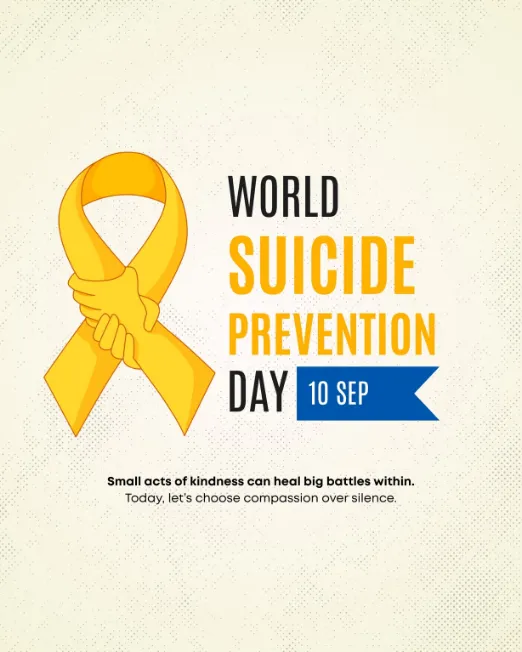
World Suicide Prevention Day is observed every year on 10 September to raise awareness about suicide prevention and promote mental health support worldwide. The day was established in 2003 by the International Association for Suicide Prevention in collaboration with the World Health Organization. Since its beginning, it has grown into a global awareness campaign that encourages open conversations, reduces stigma, and supports actions that can help save lives.
Suicide is a serious public health concern affecting people of all ages and backgrounds. World Suicide Prevention Day reminds communities, governments, and individuals that prevention is possible. Through education, early intervention, and access to support, many lives can be protected. The day promotes compassion, understanding, and collective responsibility.
| Key Detail | Information |
| Observed On | 10 September |
| First Observed | 2003 |
| Founded By | International Association for Suicide Prevention |
| Supported By | World Health Organization |
| Type of Event | International Awareness Day |
| Purpose | Raise awareness and promote suicide prevention |
| Holiday Status | Not a public holiday |
World Suicide Prevention Day was first launched in 2003. The International Association for Suicide Prevention took the initiative to create a dedicated day focused on suicide prevention at the global level. The World Health Organization joined as a key partner to support awareness, research, and policy development.
Over the years, the campaign has expanded across continents. What started as a professional initiative has become a global movement involving mental health organizations, schools, workplaces, and community groups. Each year, activities are organized to spread knowledge about suicide risk factors, warning signs, and available support systems.
The day also encourages countries to strengthen their national suicide prevention strategies and invest in mental health services.
The main objectives of World Suicide Prevention Day include:
Raising awareness that suicide is preventable
Reducing stigma around mental health challenges
Encouraging open and safe discussions
Promoting early identification of risk factors
Supporting access to mental health care and crisis services
These objectives aim to create long-term change, not just one day of attention.
Suicide remains one of the leading causes of death worldwide. According to global health estimates, more than 700,000 people die by suicide each year.
Important facts include:
Suicide is among the leading causes of death for young people aged 15 to 29
Many more individuals attempt suicide than die from it
Suicide occurs in every region of the world
A significant number of cases occur in low and middle-income countries
These figures show why continued awareness and prevention efforts are essential. Access to quality mental health services, community support, and responsible media reporting can reduce risks and protect vulnerable individuals.
Each year or multi-year period, World Suicide Prevention Day follows a specific theme to guide global campaigns and discussions.
Some previous themes include:
2003: Suicide Can Be Prevented
2004: Saving Lives, Restoring Hope
2005: Prevention of Suicide is Everybody’s Business
2018 to 2020: Working Together to Prevent Suicide
2021 to 2023: Creating Hope Through Action
2024 to 2026: Changing the Narrative on Suicide
The 2021-2023 theme focused on practical steps and community involvement. It encouraged individuals to take small but meaningful actions to support others.
The2024-2026, Changing the Narrative on Suicide, promotes open dialogue and challenges harmful myths. It encourages society to move away from silence and stigma toward empathy and understanding.
Themes help keep the campaign relevant and focused on real-world solutions.
The World Health Organization plays an important role in supporting World Suicide Prevention Day. Although the day is not formally declared by the United Nations General Assembly, the WHO actively contributes to global suicide prevention efforts.
WHO supports the campaign by:
Publishing global data and reports on suicide
Providing technical guidance to member states
Promoting evidence-based prevention strategies
Supporting national mental health policies
Encouraging responsible communication about suicide
Through these efforts, WHO helps countries strengthen their response to suicide as a public health issue.
Around the world, people observe World Suicide Prevention Day through various awareness and educational activities. Common observances include:
Public awareness campaigns
Educational seminars and workshops
School and university discussions on mental health
Sharing crisis helpline information
Community gatherings and remembrance events
Social media campaigns promoting support and empathy
These activities aim to create a safe environment where people feel encouraged to speak openly and seek help when needed.
Suicide prevention requires a combined effort from different sectors of society. It is not only the responsibility of health professionals.
Key contributors include:
Families who provide emotional support
Teachers who identify early warning signs
Employers who create supportive workplaces
Media professionals who report responsibly
Governments that invest in mental health care
When communities work together, prevention becomes more effective. Listening, offering support, and guiding someone toward professional help can make a significant difference in their well-being.
World Suicide Prevention Day, observed on 10 September each year, highlights the urgent need to address suicide as a global public health issue. Since its launch in 2003 by the International Association for Suicide Prevention with support from the World Health Organization, the day has encouraged awareness, reduced stigma, and promoted preventive action.
By understanding its history, themes, objectives, and global impact, individuals and communities can take meaningful steps to support mental health. Suicide prevention begins with awareness, compassion, and a willingness to talk openly. With continued education, stronger support systems, and collective effort, progress in suicide prevention is possible.