
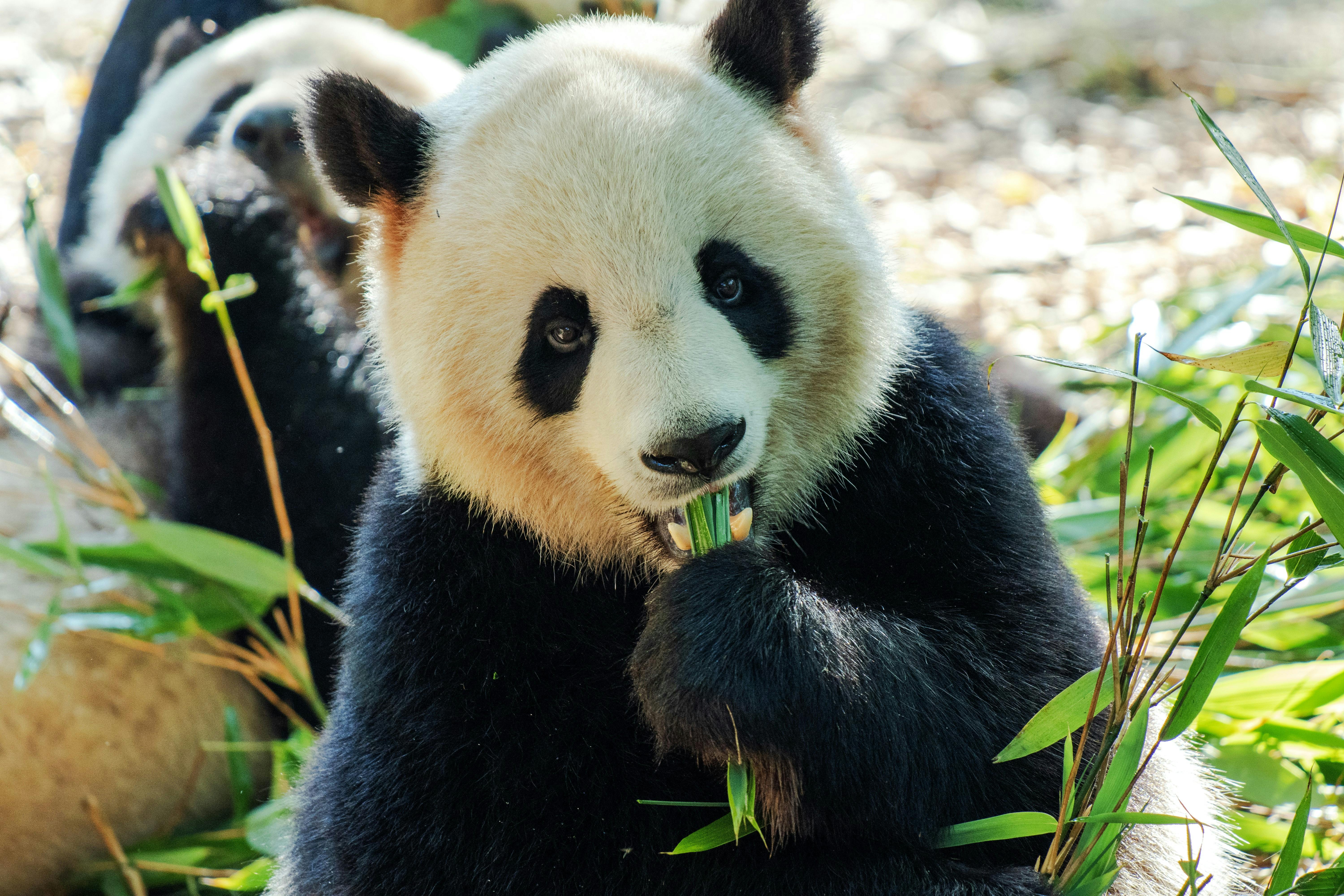
World Wildlife Day is a global observance dedicated to raising awareness about the importance of wild animals and plants, as well as the urgent need to protect them. Celebrated every year on March 3, the day serves as a reminder that wildlife plays a vital role in maintaining ecological balance, supporting livelihoods, and sustaining life on Earth. It is observed worldwide by governments, environmental organizations, educational institutions, and communities.
|
Date: |
3 March |
|
First Observed: |
2014 |
|
Declared By: |
United Nations General Assembly |
|
Established By: |
Convention on International Trade in Endangered Species of Wild Fauna and Flora(CITES) |
|
Established Date: |
Drafted in 1963 and adopted in 1973 |
|
How does it work? |
Species are listed in Appendices(I, II, III) with different levels of trade control, requiring permits for import/export. |
|
Type of event: |
International Awareness Day |
|
Observance: |
Globally |
|
Observed By: |
United Nations, governments, conservation organizations, educational institutions, NGOs, and communities worldwide |
|
Purpose: |
To raise global awareness about the importance of wildlife and biodiversity To highlight threats faced by wild animals and plants To promote wildlife conservation and sustainable use of natural resources To encourage responsible interaction between humans and nature To support global efforts aligned with environmental and climate goals |
|
Holiday Status: |
Not a public Holiday |
World Wildlife Day marks the anniversary of the signing of the Convention on International Trade in Endangered Species of Wild Fauna and Flora (CITES) in 1973. CITES was established to regulate international wildlife trade and ensure that it does not threaten the survival of species. Recognizing its importance, the United Nations General Assembly officially proclaimed World Wildlife Day in 2013.
Wildlife is essential for the health of ecosystems and human well-being. Forests, oceans, wetlands, and grasslands provide food, medicine, clean air, water, and climate regulation. Millions of people, particularly indigenous and rural communities, depend directly on wildlife and natural ecosystems for their livelihoods. World Wildlife Day highlights the fact that the survival of humanity is closely linked to the survival of wildlife.
Despite its importance, wildlife faces growing threats worldwide. Habitat loss due to deforestation and urbanization, illegal wildlife trade, climate change, pollution, and overexploitation have pushed many species to the brink of extinction. World Wildlife Day draws global attention to these challenges and encourages collective action to address them.
Each year, World Wildlife Day is celebrated with a specific global theme that focuses on critical conservation issues. Activities include educational programs, wildlife exhibitions, tree plantation drives, clean-up campaigns, documentary screenings, policy discussions, and social media campaigns. Schools and universities organize debates, art competitions, and awareness sessions, while conservation organizations conduct field activities in wildlife reserves and national parks.
Each year, World Wildlife Day is observed with a specific theme that focuses on current conservation priorities.
|
2025 |
Wildlife Conservation Finance: Investing in people and Planet |
|
2024 |
Connecting People and Planet: Exploring Digital Innovation in Wildlife Conservation |
|
2023 |
Partnerships for Wildlife Conservation |
|
2022 |
Recovering key species for ecosystem restoration |
|
2021 |
Forests and Livelihoods: sustaining people and planet |
|
2020 |
Sustaining all life on earth |
|
2019 |
Life below water: for people and planet |
|
2018 |
Big cats- Predators under threat |
|
2017 |
Listen to the young voices |
|
2016 |
“The future of Wildlife is in our hands,” with a sub-theme,” The future of elephants is in our hands.” |
|
2015 |
It's time to get serious about wildlife crime |
These themes help guide global discussions, policies, and awareness campaigns.
Celebrations vary across regions based on local biodiversity and conservation priorities. In Africa, the focus is often on anti-poaching efforts and the protection of large mammals, such as elephants and rhinos. In Asia, major attention is given to the conservation of tigers, elephants, and forests. Coastal and island regions highlight marine biodiversity and coral reef preservation. Urban areas usually observe the day through digital campaigns, exhibitions, and institutional programs, while rural communities participate through grassroots conservation activities.
World Wildlife Day also plays an important role in educating people about biodiversity and environmental responsibility. It promotes values such as responsibility, sustainability, respect for all living beings, and collective action. For younger generations, the day offers an opportunity to learn about biodiversity, endangered species, and environmental ethics, inspiring future careers in conservation and environmental science.
Although World Wildlife Day is not a public holiday, many institutions actively participate through awareness programs and events. Individuals are encouraged to observe the day by learning about wildlife, supporting conservation organizations, reducing plastic use, avoiding illegal wildlife products, and promoting eco-friendly practices. Community participation strengthens conservation efforts and spreads awareness at the grassroots level.
World Wildlife Day is officially recognized by the United Nations and observed in more than 190 countries. It aligns closely with global initiatives such as the UN Sustainable Development Goals, particularly those related to life on land, life below water, and climate action. The day also supports sustainable eco-tourism and conservation-based livelihoods.
Ultimately, World Wildlife Day is more than a celebration, it is a global call to action. It reminds humanity that protecting wildlife is not optional but essential for the survival of ecosystems and ensuring a sustainable future. By conserving nature today, we provide a healthier, more sustainable planet for future generations.
"Saving wildlife is not a choice; it is a responsibility"