
Quick Reference Card
| Date | September 12, 2026 (Bhadra 27, BS 2083) |
| Duration | 1 day |
| Observance | International awareness day |
| Celebrated in | Worldwide |
| Observing Communities | Red Cross, Red Crescent, humanitarian organizations, medical professionals |
| Type of Event | Health/Humanitarian |
| Purpose of Event | To promote first aid training and emergency response awareness so that people can save lives before professional medical help arrives. |
| Holiday Status | International observance (not national holiday in Nepal) |
| First Observed in | Globally observed from 2000 |
Quick Fact: World First Aid Day is observed on the second Saturday of September each year. Established by the International Federation of Red Cross and Red Crescent Societies (IFRC) in 2000, it aims to raise global awareness about how first aid training saves lives and builds community resilience in emergencies.
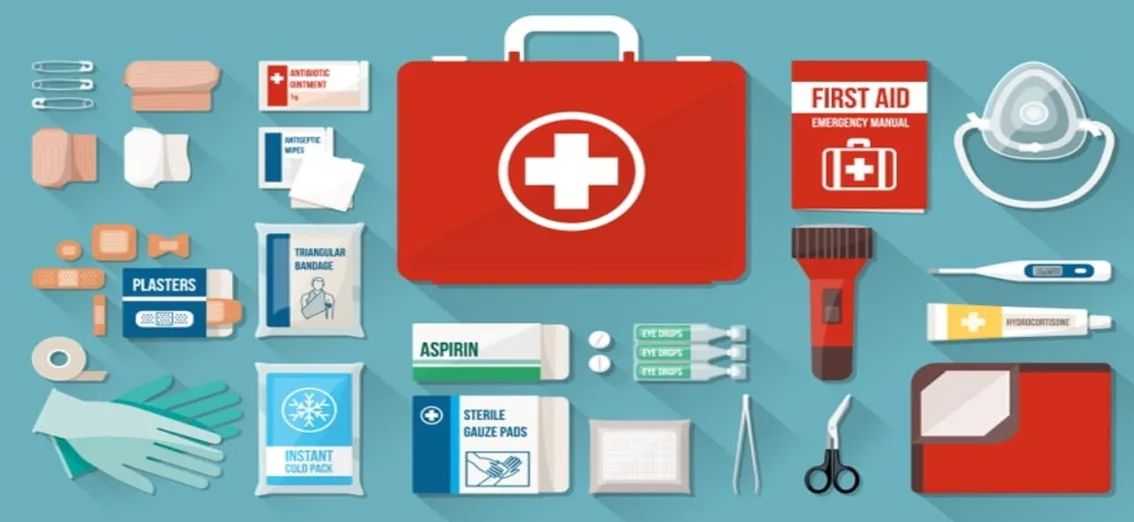
World First Aid Day is an internationally recognized observance held on the second Saturday of September each year. It promotes the life-saving importance of first aid knowledge and training, encouraging individuals, organizations, and governments to invest in emergency preparedness. In Nepal, the day is observed through Red Cross activities and health awareness campaigns.
History and Background
World First Aid Day was established to promote the importance of first aid training and emergency response. Inspired by Henry Dunant's humanitarian work during the Battle of Solferino in 1859, which led to the founding of the Red Cross movement, the observance was formalized globally in 2000 by the International Federation of Red Cross and Red Crescent Societies (IFRC). The term "first aid" was coined in the late 1800s by Friedrich von Esmarch, a German military surgeon. The day raises awareness about immediate emergency care that can save lives before professional medical help arrives.
Purpose of First Aid Day
The day is observed globally to:
Promote knowledge and training in first aid techniques.
Equip people with confidence to respond to medical emergencies.
Raise awareness about the Red Cross and its humanitarian mission.
Reduce mortality and injury through early emergency response.
Encourage organizations to invest in first aid training for their communities.
How is First Aid Day Observed?
Organizations and communities mark the day through:
Red Cross and Red Crescent societies conduct hands-on training workshops.
Public awareness campaigns on emergency response procedures are launched.
Demonstrations of first aid techniques are held in public spaces and schools.
Seminars and educational programs are organized in communities.
Informational materials about emergency care are distributed widely.
Importance of First Aid Day
First Aid Day carries critical global and local significance:
It saves lives through immediate emergency intervention before professional help arrives.
It reduces complications from medical emergencies and injuries.
It builds community resilience and emergency preparedness at the grassroots level.
It promotes international humanitarian cooperation and values.
It empowers individuals to act confidently and effectively in crisis situations.
Conclusion
World First Aid Day reminds us that anyone can be a lifesaver. By learning basic first aid skills, communities including those in Nepal become more resilient and better prepared to respond to accidents and emergencies. The day encourages a culture of preparedness, compassion, and humanitarian responsibility that can make the difference between life and death.