
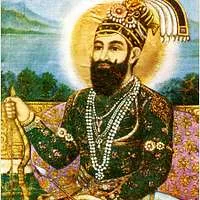
Guru Gobind Singh Jayanti is a special day celebrated by Sikhs across the world. It marks the birth of Guru Gobind Singh Ji, the tenth Sikh Guru, who gave courage, identity, and guidance to the Sikh community. On this day, people offer prayers, sing hymns, participate in processions, and serve the community. The festival reflects the values Guru Gobind Singh Ji stood for: courage, equality, justice, and service.
|
Fact |
Details |
|
Festival |
Guru Gobind Singh Jayanti |
|
Also Called |
Prakash Parv (Birth Celebration) |
|
Observed By |
Sikh Community Worldwide |
|
Date |
Celebrated every year on the full moon day (Purnima) of Magh month in the Sikh lunar calendar |
|
Type |
Religious and Cultural Festival |
|
Honours |
Birth anniversary of Guru Gobind Singh Ji |
|
Main Practices |
Prayers, Kirtans, Processions, Langar |
|
Holiday Status |
Not a Public Holiday |
Guru Gobind Singh Ji was born in Patna Sahib, Bihar, in 1666. He became the Sikh Guru at just nine years old, after his father, Guru Tegh Bahadur Ji, gave up his life defending religious freedom and the rights of all people. From a very young age, Gobind Singh Ji showed courage, wisdom, and leadership, qualities that would shape the Sikh community for generations.
One of Guru Gobind Singh Ji’s most important contributions was forming the Khalsa Panth in 1699. This was not just a community but a bold declaration of spiritual and moral strength. The Khalsa was meant to uphold justice, defend the weak, and stand against tyranny.
As part of this, Guru Gobind Singh Ji introduced the Five Ks, five articles of faith that represent Sikh values:
Kesh (uncut hair) – discipline and spirituality
Kanga (comb) – cleanliness and order
Kara (steel bracelet) – strength and unity
Kachera (special shorts) – modesty and self‑control
Kirpan (sword) – courage and readiness to protect the oppressed
Guru Gobind Singh Ji believed that every person deserves respect and equal treatment, regardless of caste, class, or religion. He encouraged people to live with honesty, courage, and compassion. His life and teachings remind people to fight unfairness with righteous action.
Before leaving this world, Guru Gobind Singh Ji made a historic decision: he declared that the Guru Granth Sahib, the Sikh holy scripture, would be the eternal Guru of the Sikhs. From that moment, the holy book became the spiritual guide for the community.
Guru Gobind Singh Jayanti is not fixed to a single day on the modern calendar. Instead, it follows the Sikh lunar calendar and is celebrated each year on the full moon day (Purnima) of the Magh month. Because of this, the exact date changes every year on the Gregorian calendar, often falling in December or January. The lunar basis of the festival connects it deeply to Sikh tradition rather than the solar calendar.
The celebration of Guru Gobind Singh Jayanti includes spiritual devotion, community devotion, and joyful gatherings. These practices help followers reflect on his life and values.
On this day, people visit gurdwaras (Sikh temples) to offer prayers and listen to kirtans, devotional hymns filled with praise and spiritual depth. The music helps bring the community together and uplifts hearts.
Many gurdwaras hold an Akhand Path, which is a continuous, uninterrupted reading of the Guru Granth Sahib. This recitation often lasts around 48 hours and is believed to bring peace, unity, and a deep sense of devotion among the faithful.
Communities also organize nagar kirtans, which are processions through the streets led by people singing hymns and carrying the Sikh flag. These processions are joyful and energetic, showing devotion, unity, and strength.
One of the most powerful customs of the day is the langar, a free community meal served to everyone, no matter their background. Langar reflects Guru Gobind Singh Ji’s belief in equality, where all sit and eat together as equals. Many people also serve food to the needy and help with community kitchens as a form of seva, selfless service.
Guru Gobind Singh Jayanti is much more than remembering a birthday. It stands for values that are important in everyday life and society:
Courage: Guru Gobind Singh Ji showed bravery in the face of great challenges and encouraged others to do the same.
Equality: He taught that no one should be treated as inferior or superior. All people should be respected equally.
Service: The idea of seva (selfless service) is central to his teachings and is widely practiced during this festival.
Faith and Truth: His life inspires people to remain true to their beliefs and live with honesty.
These lessons continue to guide Sikhs and others around the world, reminding people to live with purpose, compassion, and courage.
Although it began in India, Guru Gobind Singh Jayanti is celebrated across the world. Sikh communities in countries like the United Kingdom, the United States, Canada, and Australia also observe the day with prayers, processions, and service activities. People of all ages take part, passing on the Guru’s teachings to younger generations.
This global observance highlights unity, shared values, and the importance of community.
Guru Gobind Singh Jayanti is a celebration of a life that changed history and inspired millions. It honors the teachings of Guru Gobind Singh Ji, who stood for justice, equality, courage, and service. Every year, people come together in gurdwaras, sing hymns, serve others, and reflect on how his values can make the world a better place.
This festival is not just a memory of the past, but a reminder for today that courage and compassion can shape communities and inspire lives everywhere.