Quick Reference Card
| Date | Pausha Shukla Ekadashi (December 30) |
| Duration | One-day fasting event |
| Observance | National and Regional |
| Celebrated in | Nepal, India and Hindu communities worldwide |
| Observing Communities | Hindus, especially married couples seeking blessings for progeny |
| Type of Event | Religious |
| Purpose of Event | To seek divine blessings from Lord Vishnu for progeny, prosperity, and fulfillment of sincere desires through dedicated fasting and worship. |
| Holiday Status | No (Religious observance, not a public holiday) |
| First Observed in | Ancient period (Referenced in Bhavishya Purana, Vedic era) |
Quick Fact: Putrada means "giver of sons" in Sanskrit. Pausha Putrada Ekadashi is one of two Putrada Ekadashis observed annually and is considered especially powerful for couples seeking children. The fast is believed to purify karmic debts and fulfill the deepest spiritual and material desires of sincere devotees.
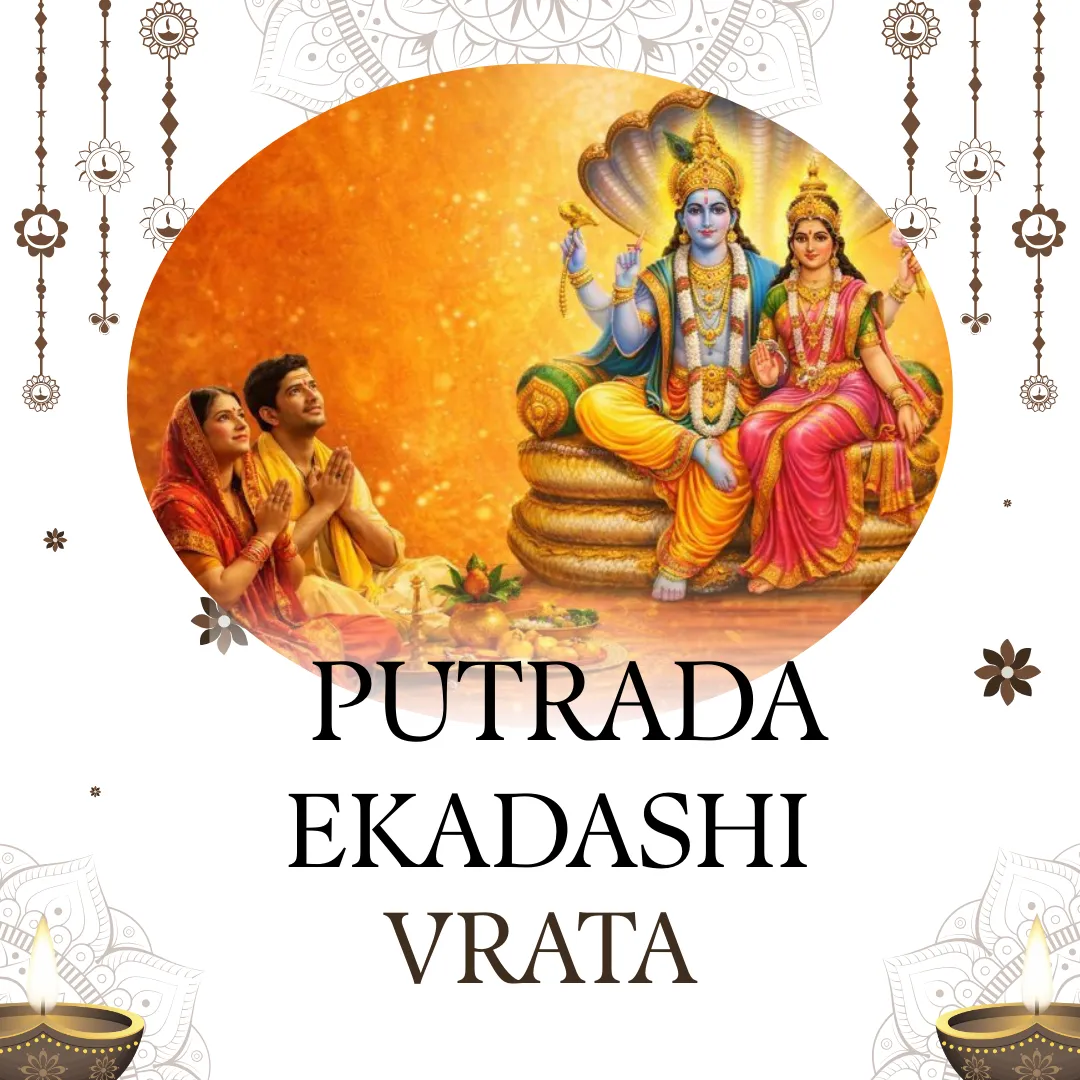
Putrada Ekadashi Vrata is observed on the 11th lunar day (Ekadashi) of the waxing moon (Shukla Paksha) in the month of Pausha. The name "Putrada" derives from Sanskrit meaning "giver of sons" or "granter of progeny." This sacred Ekadashi is observed twice a year and is highly revered by married couples and those seeking the blessings of children and prosperity through devoted fasting and prayer to Lord Vishnu.
Putrada Ekadashi is an ancient Hindu festival dedicated to Lord Vishnu, observed twice a year with the Pausha Putrada Ekadashi occurring during the waxing moon phase of the Pausha month. The festival dates back thousands of years in Hindu tradition and is mentioned in various Puranas including the Bhavishya Purana. This sacred vrata was narrated by Lord Krishna to King Yudhishthira in the Puranas, emphasizing its immense spiritual power to bless devotees with children and fulfill heartfelt desires. The fasting practice has been revered across generations as a direct path to Vishnu's compassionate grace.
This vrata is mainly observed to:
Seek divine blessings from Lord Vishnu for progeny and fertility.
Fulfill sincere material and spiritual desires through dedicated devotion.
Cleanse the body and mind of accumulated impurities through fasting discipline.
Strengthen devotion to Vishnu and cultivate deeper spiritual practice.
This vrata is observed through strict religious discipline:
Strict fasting from sunrise to the following sunrise following the lunar tithi.
Recitation of sacred mantras and hymns dedicated to Lord Vishnu throughout the day.
Temple visits and offering of prayers, flowers, and incense to Lord Vishnu.
Consumption of only light sattvic (pure) food or complete abstinence from food.
Breaking the fast (Parana) on the next day between sunrise and noon with specific permitted foods.
This vrata is important for several reasons:
It is one of the most auspicious fasting days in Hindu tradition for seeking progeny blessings.
It is revered for granting children, prosperity, and fulfillment of sincere aspirations.
The fast strengthens devotion to Lord Vishnu and accelerates spiritual growth.
It helps balance planetary influences and dissolve accumulated karmic debts.
It is widely observed across Hindu communities in Nepal, India, and the global diaspora.
Putrada Ekadashi Vrata is a profoundly auspicious fast that opens the heart to divine grace and the blessings of Lord Vishnu. By observing this vrata with sincerity and devotion, devotees seek fulfillment in family life, spiritual progress, and the cherished blessing of children. This ancient vrata remains a living testimony to the power of faith, discipline, and surrender to the divine.