
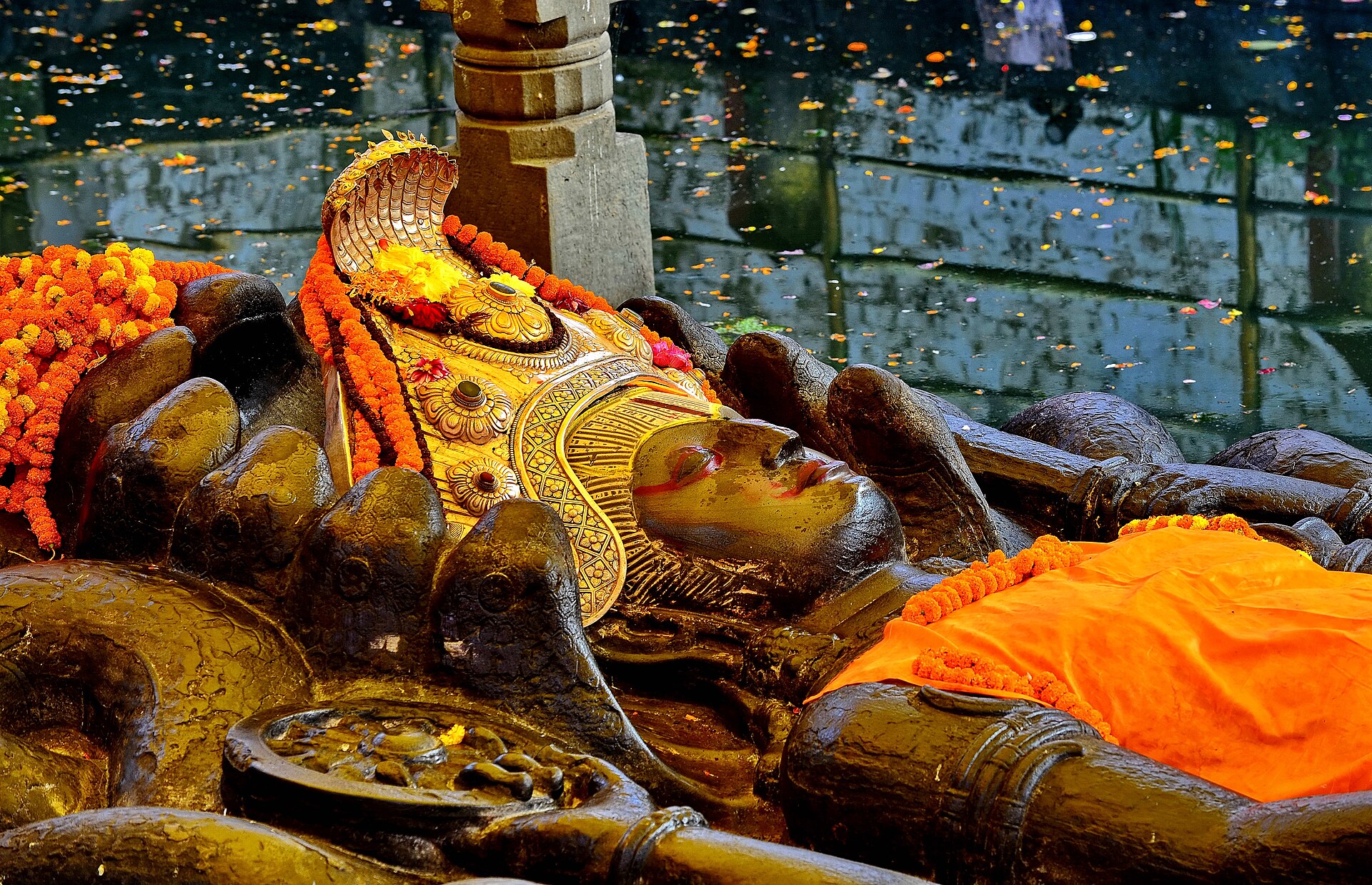
Safala Ekadashi is a sacred Hindu observance dedicated to Lord Vishnu. It falls on the eleventh day of the waning moon phase in the month of Poush. The word “safalaa” is made up of two parts. “Sa” means “with” and “falaa” means fruit or result. This day is believed to fulfill the wishes and provide divine success to sincere devotees.
| Date | Varies according to the lunar calendar (December 15th as of 2025) |
| Duration | 1 day |
| Observance | National |
| Celebrated in | Nepal, India |
| Observing Communities | Hindu and Vaishnava communities |
| Type of Event | Religious festival |
| Purpose of Event | To purify the mind, strengthen discipline, and invite success through devotion. |
| Holiday Status | No holiday is provided. |
| Lunar Calendar Date (तिथि) | Eleventh lunar day of Krishna Paksha in Paush month. |
It is always observed in the Paush Krishna Paksha Ekadashi. Mostly, it falls in the month of Poush. Primarily, it is observed by devotees of Lord Vishnu or Krishna, followed by other Hindu communities. Nepal and India primarily observe this day, while Hindu communities in different countries also celebrate.
Vaishnava communities all over the world pray and perform fasting this day. It is believed that the fasting done this day is equivalent to hundreds of Mahayagyas.
Some traditional practices include:
Complete or partial fasting from grains
Nightlong vigil (jagaran) with bhajan and kirtan
Recitation of Vishnu Sahasranama (1000 names of Vishnu)
Reading or listening to Safala Ekadashi Vrat Katha
Offering fruits and flowers to Lord Vishnu/Narayana
Lighting ghee lamps and incense
Tulsi (holy basil) worship
Safala Ekadashi is mentioned in the Padma Purana, one of the eighteen major Puranas in Hinduism. Its significance is believed to be recited by Lord Krishna to King Yudhishthira.
According to the Padma Purana, Ekadashi is said to have originated from Lord Vishnu. When Lord Vishnu was resting, a demon named Murraa tried to attack him. In the meantime, a goddess emerged from Vishnu’s eleventh sense and protected him. Pleased with this, Lord Vishnu named the goddess Ekadashi. Ekadashi then got the blessing that anyone who fasts on the eleventh day would attain Moksha / ultimate freedom.
Safala Ekadashi revolves around the worship of Lord Vishnu and Lord Krishna. In Nepal, it's uniformly observed by Hindu communities following lunar calendar traditions. It is connected with success in life, along with wealth and good deeds. On this day, people usually fast, pray, and help others. People believe that honest prayers remove past mistakes, bringing peace and good direction in life.
Safala Ekadashi teaches simple values like discipline, kindness, and gratitude. It is important as a day for self-control, faith, and self-improvement. In many households, this day begins with prayers, starting the day with a positive energy. This day also reminds people to stay hopeful during difficult times. It strengthens family bonds, spiritual belief and habit of discipline.
Spiritually, this day is believed to destroy heavy sins. It brings inner peace, clear thoughts, and spiritual awareness. The vrata teaches surrender, discipline, and simple living. It reminds that true devotion matters more than grand rituals or offerings. Safala Ekadashi shows that God’s grace can change any life.
This day encourages kindness, patience, and good behavior. Devotees avoid anger, lies, and harmful actions on this day. Silence and prayer help calm the restless human mind. Fasting reminds people to value spiritual goals over material comfort. Helping others on this day increases spiritual merit. Charity done today is believed to give long-lasting results.
Safala Ekadashi falls on the eleventh day of the Krishna Paksha and holds strong astrological importance. The moon on this day affects emotions, intuition, and inner calm. Jupiter, the planet of wisdom and fortune, blesses devotees who observe the fast with success and spiritual growth. Fasting on this day is believed to reduce the negative effects of planets like Saturn and Rahu.
Some key astrological benefits of Safala Ekadashi include:
Removing obstacles in career, wealth, and relationships.
Increasing mental peace and emotional balance.
Strengthening discipline, focus, and spiritual energy.
By aligning prayers and actions with the day’s cosmic energies, devotees can attract both worldly success and spiritual blessings. This day reminds us that devotion, discipline, and timing bring prosperity and peace.
Safala Ekadashi is observed with devotion, discipline, and careful rituals. Devotees start preparing a day before (Dashami) by taking a single meal in the afternoon and consuming only sattvic (pure) food. Homes and puja areas are cleaned, and mental preparation for the fast begins. Tulsi leaves are avoided on this day and should be plucked 1–2 days earlier.
On Ekadashi morning, devotees wake up during Brahma Muhurta (before sunrise), bathe, and wear clean clothes, preferably yellow. They apply sandalwood tilak, perform achamana (purification with water), and take sankalpa (vow) to observe the fast. The altar is cleaned and prepared for puja.
During the day, the puja setup includes placing a Lord Vishnu or Krishna idol/picture. It's decorated with fresh flowers and offerings such as fruits, ghee lamp, incense, and Gangajal.
Main Puja includes:
Lighting a ghee lamp (5 wicks preferred)
Offering tulsi leaves and flowers
Applying sandalwood paste on the deity
Presenting Panchamrit (milk, curd, ghee, honey, sugar)
Offering seasonal fruits and incense
Chanting "Om Namo Bhagavate Vasudevaya" and Vishnu Sahasranama
Throughout the day, devotees read the Safala Ekadashi Vrat Katha. People also chant the Hare Krishna Maha Mantra. They avoid worldly conversations and engage in spiritual reading such as Bhagavad Gita or Bhagavatam.
In the evening, aarti is performed, lamps are lit around the Tulsi plant, devotees circumambulate it seven times, sing bhajans, and participate in community kirtans if possible. At night (Ratri Jagran), staying awake with continuous kirtan, bhajan, Hari Katha, and meditation is highly meritorious.
The next morning (Dwadashi) begins with prayers and bath. Devotees perform puja to Lord Vishnu, feed Brahmins, give charity (dakshina), and break the fast during the appropriate parana muhurat, distributing prasadam to family and the community.
Fasting Rules
Fasting types vary:
Nirjala: No food or water for 24 hours, most strict.
Sajala: Water allowed, no solid food or grains.
Phalahari: Fruits, nuts, and milk allowed, common practice.
Ksheerbhoji: Milk and milk products only.
Naktabhoji: Single meal after sunset, for those unable to fast fully.
Foods to avoid strictly: grains, pulses, onions, garlic, meat, alcohol, paneer, coffee, and cocoa.
Allowed foods: fresh fruits, milk, yogurt, nuts, coconut water, potatoes, pumpkin, ghee, sugar, and certain root vegetables.
Puja and Worship: The sequence usually includes Ganesh Vandana, Guru Vandana, Vishnu mantras, Hare Krishna Maha Mantra, Vishnu Sahasranama, Safala Ekadashi Vrat Katha, aarti, and prasadam offering.
Dress and Decoration: Clean clothes (yellow preferred), flower garlands, tulsi arrangements, ghee lamps, rangoli, and peacock feathers. Leather items should be avoided.
Gifts and Charity: Donations of grains, water, clothes, feeding cows, offering dakshina, and distributing prasadam in the community.
Wake up early and begin the day with prayers.
Observe fasting with devotion and positive mindset.
Chant Vishnu mantras and read sacred texts.
Perform Tulsi puja and light ghee lamps.
Practice charity, kindness, and self-control.
Do not consume grains, pulses, or prohibited foods.
Do not engage in arguments, gossip, or negativity.
Do not sleep during daytime on Ekadashi.
Do not pluck Tulsi leaves or cut hair.
Do not break the fast before proper parana time.
May Lord Vishnu bless all who observe Safala Ekadashi with devotion, discipline, and sincerity. Hare Krishna!