
| Date | Ashad 15 (June 29) |
| Duration | One-day cultural food festival |
| Observance | National (Nepal) |
| Celebrated in | Across Nepal, especially in farming villages, towns, and Nepali communities worldwide |
| Observing Communities | Farmers, rural communities, and Nepali families broadly |
| Type of Event | Cultural Food Festival |
| Purpose of Event | To celebrate the rice planting season with the traditional Nepali dish of Dahi (yogurt/curd) and Chiura (beaten/flattened rice), strengthening community bonds and honoring agricultural heritage. |
| Holiday Status | Not an official public holiday in Nepal (coincides with Rashtriya Dhan Diwas which is official) |
| First Observed in | Ancient agricultural tradition (pre-history) |
Quick Fact: Dahi Chiura is one of Nepal's most iconic traditional foods, beaten rice (Chiura) mixed with fresh yogurt (Dahi), often accompanied by seasonal fruits, sweets, and pickles. Chiura is made by soaking paddy in water, then roasting and flattening it between rollers. It requires no cooking and is highly nutritious, making it the perfect food for farmers working long hours in the paddy fields during the monsoon planting season.
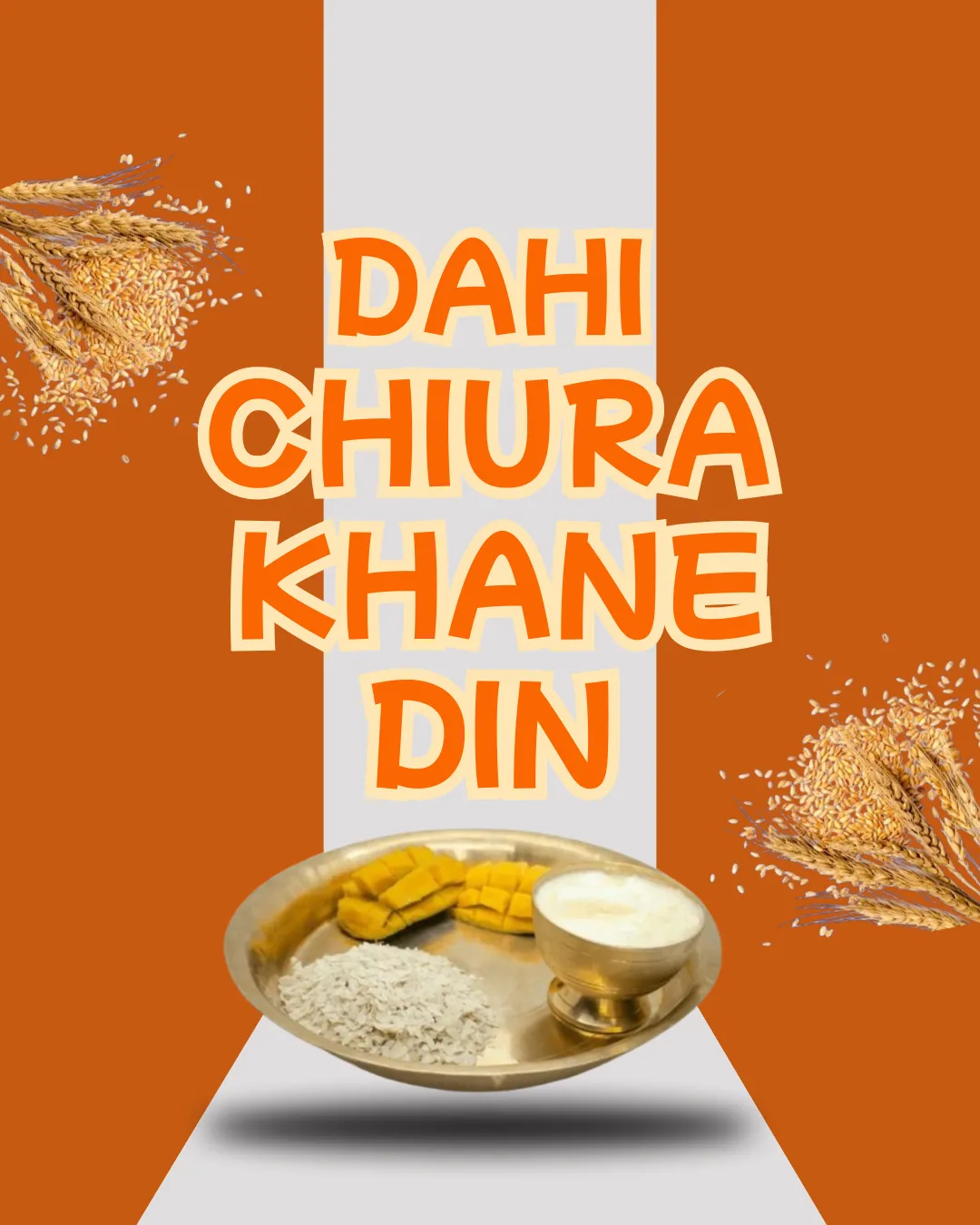
Dahi Chiura Khane Din ("Day of Eating Curd and Beaten Rice") is a beloved traditional Nepali cultural celebration observed on Ashad 15, coinciding with Rashtriya Dhan Diwas (National Paddy Day). This joyful food festival celebrates the peak of the rice transplanting season through the communal preparation and sharing of Dahi Chiura, one of the most quintessentially Nepali dishes and a beloved symbol of the country's agricultural and culinary heritage.
Dahi Chiura Khane Din has deep roots in Nepal's agricultural and culinary traditions, dating back to the ancient practice of rice farming in the hills and plains of Nepal. Historically, the combination of Dahi (yogurt) and Chiura (beaten/flattened rice) was the perfect food for farmers: highly nutritious, easy to prepare without fire, cooling during the hot monsoon days, and easily portable to the paddy fields. When the rice transplanting season reached its peak around Ashad 15, farmers would gather to celebrate the completion of a major phase of agricultural work, sharing this traditional food as both sustenance and celebration. The tradition beautifully merges the practicality of agricultural life with the cultural identity of communal celebration. Today, Dahi Chiura Khane Din is celebrated across Nepal as a joyful food festival that connects urban and rural Nepalis alike to their shared agricultural heritage and cultural roots.
This celebration is observed to:
Celebrate the rice planting season and its agricultural significance with traditional Nepali food.
Strengthen family and community bonds through the shared preparation and enjoyment of Dahi Chiura.
Honor the labor of farmers and the agricultural traditions that sustain Nepali life and culture.
Maintain and pass on traditional food culture and Nepali culinary heritage to younger generations.
This cultural festival is celebrated through:
Preparation and communal consumption of Dahi Chiura, yogurt with beaten rice, fruits, and seasonal accompaniments.
Community feasts and family gatherings where Dahi Chiura is shared generously among all.
Sharing the dish with neighbors, extended family, and community members as an act of hospitality.
Traditional folk songs, music, and celebratory gatherings in villages and agricultural communities.
Active participation in rice transplanting activities followed by communal feasting in the fields.
This celebration is significant because:
It is central to Nepali food culture and one of the most iconic expressions of Nepali culinary identity.
It demonstrates the living connection between Nepal's agricultural calendar and its food traditions.
It strengthens social bonds through the universal Nepali experience of sharing traditional food together.
It preserves traditional food preparation methods and sustainable dietary practices for future generations.
It celebrates the simplicity, nutrition, and cultural richness of traditional Nepali food heritage.
Dahi Chiura Khane Din is a celebration that feeds both body and soul. In the simple, nourishing combination of yogurt and beaten rice, Nepali people find a taste of their agricultural roots, their community spirit, and the enduring cultural heritage that connects every generation to the land, the monsoon, and the timeless rhythm of planting and harvest.