
| Date | Poush Shukla Purnima ( Jan 3 as of 2026 ) |
| Duration | 30 days |
| Observance | National observance |
| Celebrated in | Across Nepal, mainly in temples and pilgrimages |
| Observing Communities | People from the Hindu community |
| Type of Event | Religious and traditional |
| Purpose of Event | To promote devotion and spiritual discipline |
| Holiday Status | No holiday is provided |
| First Observed in | 1573 AD |
| Lunar Calendar Date | Begins on the full moon of Poush month Ends on the full moon of Magh month |
Shree Swasthani Brata Katha Arambha is the beginning of a sacred Hindu observance in Nepal. It marks the start of a month-long fasting ritual dedicated to Goddess Swasthani. Thousands of Hindu women observe this vrata. The ritual focuses on devotion, discipline, and moral living. It remains deeply rooted in Nepali Hindu culture.
The observance starts on Poush Shukla Purnima each year. It ends on Magh Shukla Purnima according to tradition. In BS 2082, it begins around January 3, 2026. The vrata continues for thirty days without interruption. It is religiously important but not a public holiday.
Shree Swasthani Brata Katha Arambha marks the formal start of the vrata. Devotees read one chapter of the sacred story daily. The reading usually happens during evening family gatherings. Married women often pray for the well-being and harmony of their families. Unmarried women pray for a good future husband. The ritual promotes purity in thought and action. Faith and consistency remain central throughout the month. The period becomes a time of reflection and discipline.
Daily observance follows a structured and disciplined routine. Devotees wake early and take ritual baths. Many visit the Salinadi River in Sankhu. Women observe fasting with one sattvic meal daily. Red clothes and bangles are traditionally worn. Evening puja includes flowers, fruits, and oil lamps. Families gather together for katha recitation. The observance is popular across Nepal, especially in the Kathmandu Valley. Temples, homes, and diaspora communities continue this tradition.
The origin of this vrata dates back to 1573 AD. The text was originally written in the Newari language. Jayanta Dev is believed to be its author. Early observance remained limited to the Newar community. Sankhu became the spiritual center of the tradition.
The text was later translated into the Nepali language. This translation helped spread the practice nationwide. Gradually, it became a common Hindu observance in Nepal. Women’s devotion became the central focus over time.
The Swasthani Brata Katha contains powerful moral stories. These stories emphasize devotion, repentance, and divine justice. They highlight the victory of dharma over adharma. Faith and humility are recurring themes throughout.
Popular legends include:
Goma Brata saving her son, Navaraj through devotion
Chandrawati curing illness after sincere repentance
Sati and Parvati showing sacrifice and spiritual strength
These legends encourage patience and strong belief in justice.
Shree Swasthani Brata Katha strengthens Nepali Hindu cultural identity. Daily recitation promotes family bonding and shared devotion. Elders pass religious knowledge to younger generations. Children learn values through stories and discipline.
In Sankhu, the observance is highly communal and intense. Mass river baths take place during early mornings. Urban families observe it in simpler home settings. Traditional songs sometimes accompany evening recitations. The ritual preserves culture through intergenerational storytelling.
The vrata is rooted mainly in the Shaivism tradition. It honors Goddess Swasthani along with Lord Shiva. The goddess symbolizes justice, protection, and divine authority. Devotees believe sincere fasting fulfills personal wishes.
The ritual teaches control over desires and emotions. Spiritual purification remains central during the entire month. Devotees practice patience and moral discipline daily. Faith in divine justice guides their actions.
The observance follows the Nepali lunar calendar system. It begins on Poush Purnima full moon night. It ends on Magh Purnima full moon day. Full moon days are considered highly auspicious.
These lunar dates are linked with purification rituals. The winter Magh month holds special spiritual importance. Many Shiva-related practices also align during this period.
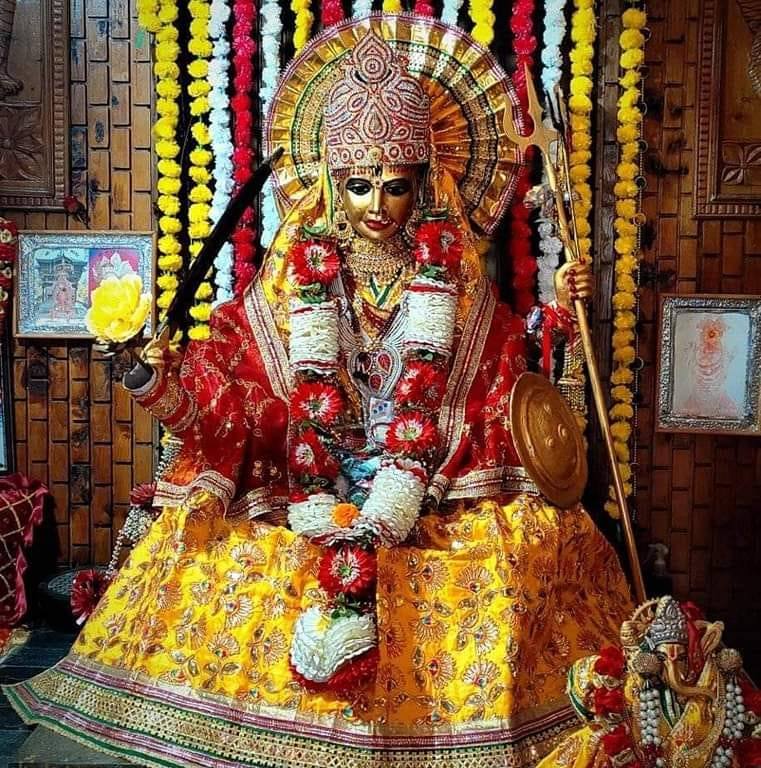 Goddess Swasthani
Daily discipline defines the Swasthani Brata practice. Devotees follow structured rituals every single day. Early morning baths are strongly encouraged. The Salinadi River remains the most sacred location.
Common practices include:
Early bath in rivers or at home
Fasting with one sattvic meal daily
Wearing red clothes and traditional bangles
Evening recitation of one katha chapter
Offering flowers, fruits, and oil lamps
Non-vegetarian food and alcohol are strictly avoided. Garlic and onion are also restricted during fasting. The final day includes preparing a mud Shivling. Prasad is shared among family members and neighbors.
Modern lifestyles have slightly changed observance patterns. Urban families sometimes follow flexible daily schedules. Rural communities maintain stricter traditional practices. The spiritual meaning remains unchanged despite adjustments.
Recent trends include:
Online katha readings through digital platforms
Virtual prayer gatherings for diaspora families
Increased sales of religious books and puja items
Social media now spreads awareness about the ritual. Younger generations engage through digital storytelling and sharing.
 Shree Swasthani Temple at Sankhu
Shree Swasthani Brata Katha teaches important moral lessons. It promotes humility, devotion, and family responsibility. Shared readings strengthen unity within households. The practice encourages patience and respectful behavior.
Children learn cultural heritage through daily participation. The observance reflects traditional gender roles in society. It also teaches spiritual discipline and ethical conduct.
Devotees follow clear guidelines during this sacred month.
Do’s:
Observe daily puja and katha consistently
Maintain purity in thoughts and behavior
Donate food or clothes on the final day
Include family members in daily readings
Don’ts:
Avoid meat, alcohol, garlic, and onion
Do not miss a recitation without a valid reason
Avoid anger and negative speech
Do not break fasting rules casually
The Salinadi River in Sankhu is the main pilgrimage site. Thousands gather there daily throughout the month. The month-long observance boosts local religious tourism. Vendors and small businesses benefit significantly.